As women navigate the changes of perimenopause, understanding various natural supports can be a helpful part of a holistic approach to well-being. Lion’s mane mushroom, scientifically known as Hericium erinaceus, is a fascinating fungus gaining attention for its unique appearance and potential properties.
This article aims to provide an evidence-based overview of what lion’s mane mushroom is, its natural characteristics, and the components that make it of interest. We’ll focus on information relevant to women in perimenopause, based solely on available research.
What Exactly Is Lion’s Mane Mushroom?
Lion’s mane mushroom, or Hericium erinaceus, is a type of edible mushroom recognized by its distinctive appearance. It features long, shaggy spines that resemble a lion’s mane as it matures, giving it its common name [1]. These mushrooms are typically found growing on hardwood trees, such as oak and beech, in various parts of the world, including North America, Europe, and Asia [1].
Beyond its unique look, lion’s mane has a history of use in traditional Eastern medicine and cuisine [2]. In culinary applications, it’s often described as having a seafood-like flavor and texture, sometimes compared to crab or lobster. However, its growing popularity in recent years is largely due to its potential health-supporting properties, which are being explored through scientific research [3].

The Bioactive Components of Lion’s Mane
The potential properties of lion’s mane mushroom are attributed to a variety of bioactive compounds found within its fruiting bodies and mycelia. Researchers have identified several key components that are thought to contribute to its observed effects [1]. These include polysaccharides, particularly beta-glucans, and secondary metabolites like hericenones and erinacines [1][4].
Polysaccharides from Hericium erinaceus have been a significant area of study, with research exploring their structural characteristics and potential biological activities [4]. Hericenones are primarily found in the fruiting body of the mushroom, while erinacines are mainly isolated from its mycelium [1]. The presence of these diverse compounds suggests a complex interplay that may contribute to the mushroom’s overall profile [5].
Traditional Use and Modern Interest
Historically, lion’s mane mushroom has been valued in traditional Chinese medicine for its perceived benefits in supporting overall vitality and digestive health [2]. Ancient texts describe its use for various purposes, often consumed as a food or brewed into teas. This long history of traditional use has provided a foundation for modern scientific inquiry into its properties [3].
In contemporary research, the focus has shifted towards understanding the specific mechanisms by which lion’s mane might exert its effects. Studies are investigating its potential influence on cognitive function, mood, and its antioxidant and anti-inflammatory properties [5][6]. This scientific exploration aims to validate and expand upon the traditional knowledge surrounding this unique fungus.
How Lion’s Mane is Consumed
Lion’s mane mushroom can be consumed in several forms. As an edible mushroom, the fresh fruiting bodies can be cooked and incorporated into various dishes [1]. Its unique texture and mild, savory flavor make it a versatile ingredient in culinary applications.
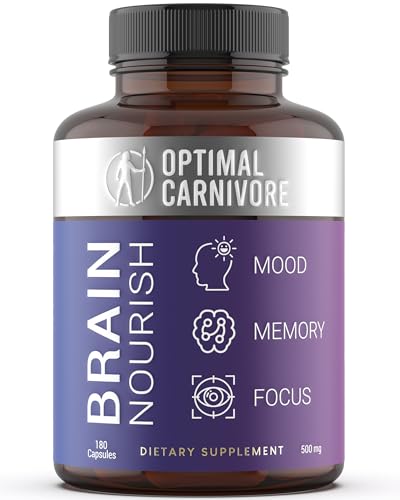
Beyond whole mushroom consumption, lion’s mane is widely available in supplemental forms. These often include powders, capsules, and liquid extracts, which are typically made from either the fruiting body, the mycelium, or a combination of both [1]. Standardized extracts aim to provide consistent levels of the mushroom’s bioactive compounds, such as polysaccharides, hericenones, or erinacines [6]. The choice of form often depends on individual preference and desired concentration of specific compounds.
References
- Chemistry, Nutrition, and Health-Promoting Properties of Hericium erinaceus (Lion’s Mane) Mushroom Fruiting Bodies and Mycelia and Their Bioactive Compounds. Journal of agricultural and food chemistry, 2015
- Medicinal Mushrooms: Their Bioactive Components, Nutritional Value and Application in Functional Food Production-A Review. Molecules (Basel, Switzerland), 2023
- Prospecting medicinal properties of Lion’s mane mushroom. Journal of food biochemistry, 2021
- Extraction, Structural Characterization and Biological Activities of Polysaccharides Derived From Hericium erinaceus. Food science & nutrition, 2025
- Lion’s Mane Mushroom (Hericium erinaceus): A Neuroprotective Fungus with Antioxidant, Anti-Inflammatory, and Antimicrobial Potential-A Narrative Review. Nutrients, 2025
- Acute effects of a standardised extract of Hericium erinaceus (Lion’s Mane mushroom) on cognition and mood in healthy younger adults: a double-blind randomised placebo-controlled study. Frontiers in nutrition, 2025
These statements have not been evaluated by the Food and Drug Administration. This information is not intended to diagnose, treat, cure, or prevent any disease. Content is for informational purposes only and is not medical advice; consult a qualified healthcare provider before starting any supplement. As an Amazon Associate we earn from qualifying purchases.