Navigating midlife and perimenopause often brings new health considerations, including shifts in metabolism and blood sugar regulation. Many women seek natural approaches to support their well-being during this transitional phase. Lion’s mane mushroom (Hericium erinaceus) has garnered attention for various potential health benefits, and its relationship with blood sugar is an area of emerging research.
This article will explore the current, limited scientific understanding of how lion’s mane might influence blood sugar levels. We will focus on the mechanisms suggested by early studies, keeping in mind that the evidence base is still developing, particularly concerning human health and midlife women.
Understanding Blood Sugar Regulation in Midlife
As women enter perimenopause and menopause, hormonal fluctuations can impact various bodily systems, including how the body processes glucose. Insulin sensitivity can change, and maintaining balanced blood sugar becomes an increasingly important aspect of overall health. Lifestyle factors, diet, and physical activity play crucial roles, and some individuals explore complementary approaches to support metabolic health.
Lion’s Mane and Polysaccharides: A Key Component
Much of the research into lion’s mane’s potential health effects, including its influence on blood sugar, often centers on its rich polysaccharide content. Polysaccharides are complex carbohydrates found in various plants and fungi. Different types of polysaccharides exist within lion’s mane, and their specific structures may contribute to their biological activities [1].
Studies have investigated the metabolic pathways involved in the high polysaccharide yield of Hericium erinaceus [2]. Researchers have also characterized enzymes, such as UDP-glucose 4-epimerase, from lion’s mane mutants that produce high levels of polysaccharides, suggesting a focus on understanding and potentially enhancing these compounds [3].
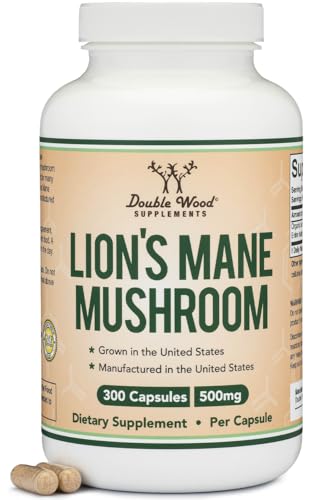
Early Research on Lion’s Mane and Blood Sugar Pathways
While direct human studies on lion’s mane and blood sugar in perimenopausal women are limited, some animal and in vitro research offers preliminary insights into potential mechanisms. One study identified specific polysaccharides from Hericium erinaceus fruiting bodies and explored their potential to modulate the gut microbiota and metabolites, which could be relevant to blood sugar regulation [4]. The gut microbiota plays a significant role in metabolic health, and alterations in its composition can influence how the body handles glucose.
Another animal study investigated the effects of Hericium erinaceus mycelium and one of its isolated compounds, erinacine A, in aging mice fed a high-fat, high-sucrose diet. This research suggested that these components might help ameliorate metabolic dysfunction induced by such a diet [5]. Metabolic dysfunction can include issues with blood sugar control.
Further research combining Hericium erinaceus insoluble dietary fiber with other compounds has also explored its potential influence on metabolism. One study, for example, looked at puerarin combined with lion’s mane insoluble dietary fiber and its effects on obesity induced by a high-fat diet, noting regulation of the glycerophospholipid metabolism pathway influenced by gut microbiota [6]. These findings, while not directly on human blood sugar, hint at broader metabolic interactions.
Implications for Perimenopausal Health (Limited Evidence)
Given the early nature of the research, it is important to emphasize that there is no definitive evidence to suggest that lion’s mane mushroom directly regulates blood sugar in perimenopausal women. The studies available primarily focus on animal models or isolated compounds and explore broad metabolic pathways rather than direct blood sugar lowering effects in humans.
However, the emerging understanding of lion’s mane’s potential to influence gut microbiota [4][6] and aspects of metabolic function [5] could be areas of future interest for women in midlife. A healthy gut microbiome is increasingly recognized for its role in overall metabolic health, which indirectly supports stable blood sugar levels. More targeted human research is needed to draw any firm conclusions regarding lion’s mane’s specific benefits for blood sugar management during perimenopause.
References
- Polysaccharides from Hericium erinaceus Fruiting Bodies: Structural Characterization, Immunomodulatory Activity and Mechanism. Nutrients, 2022
- Key metabolism pathways and regulatory mechanisms of high polysaccharide yielding in Hericium erinaceus. BMC genomics, 2021
- Characterization and Heterologous Expression of UDP-Glucose 4-Epimerase From a Hericium erinaceus Mutant with High Polysaccharide Production. Frontiers in bioengineering and biotechnology, 2021
- Structural characterization of Hericium erinaceus polysaccharides and the mechanism of anti-T2DM by modulating the gut microbiota and metabolites. International journal of biological macromolecules, 2023
- Hericium erinaceus Mycelium and Its Isolated Compound, Erinacine A, Ameliorate High-Fat High-Sucrose Diet-Induced Metabolic Dysfunction and Spatial Learning Deficits in Aging Mice. Journal of medicinal food, 2019
- Puerarin combined with Hericium erinaceus insoluble dietary fiber alleviates obesity induced by high-fat diet through regulating the glycerophospholipid metabolism pathway influenced by gut microbiota. Applied and environmental microbiology, 2025
These statements have not been evaluated by the Food and Drug Administration. This information is not intended to diagnose, treat, cure, or prevent any disease. Content is for informational purposes only and is not medical advice; consult a qualified healthcare provider before starting any supplement. As an Amazon Associate we earn from qualifying purchases.