As women navigate the complexities of perimenopause, many explore various dietary supplements, including lion’s mane mushroom, to support their well-being. It’s common to also be taking prescription medications for symptoms like hot flashes, mood changes, or other health concerns during this life stage.
When considering any new supplement alongside existing prescriptions, understanding potential interactions is an important step. This guide aims to provide general information regarding lion’s mane mushroom and medications, specifically for women in perimenopause, emphasizing the current limited evidence.
Understanding Lion’s Mane Mushroom
Lion’s mane mushroom (Hericium erinaceus) is an edible mushroom that has gained interest for its potential health supportive properties. It contains bioactive compounds such as hericenones and erinacines, which are being explored for their effects.
While research is ongoing, some studies suggest potential benefits related to cognitive function and mood. For example, edible mushrooms, including lion’s mane, are being investigated for their potential role in dietary interventions for mood support [1]. However, it’s important to remember that these are areas of active research, and definitive conclusions about its effects on specific conditions, especially in humans, are still developing.

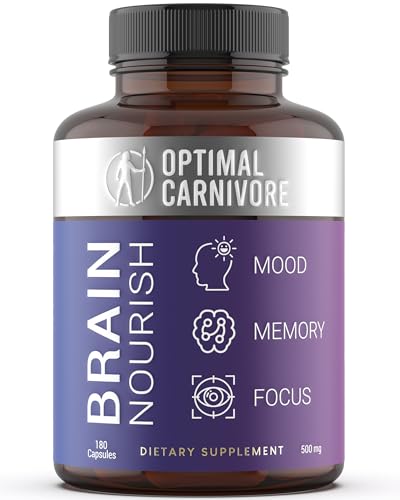
General Considerations for Supplements and Medications
The interaction between supplements and prescription medications is a complex area. Many factors can influence how a supplement might affect a medication, including the dose of both substances, individual metabolism, other health conditions, and the specific chemical pathways involved.
It’s crucial to understand that even ‘natural’ supplements can have potent biological effects and are not always benign. They can potentially alter how medications are absorbed, metabolized, or eliminated by the body, which could either reduce the medication’s effectiveness or increase its side effects. This is why a cautious approach is always recommended.
Lion’s Mane and Common Perimenopausal Medications: What We Know (and Don’t Know)
During perimenopause, women may be prescribed medications for a variety of reasons, including hormone therapy (estrogen, progesterone), antidepressants for mood changes, anti-anxiety medications, blood pressure medications, or medications for sleep disturbances.
Currently, there is very limited specific research directly investigating interactions between lion’s mane mushroom and commonly prescribed perimenopausal medications in humans. The existing body of evidence primarily focuses on the mushroom’s potential health effects rather than its drug interaction profile.
Because of this lack of specific data, it is not possible to provide a definitive list of interactions. While some general principles might apply to supplements that impact liver enzymes (which process many drugs), direct evidence for lion’s mane’s significant impact on these pathways, particularly at typical supplement dosages, is not robustly established in human studies. Therefore, any general advice must be considered in the context of this significant knowledge gap.
Potential Areas of General Concern (Hypothetical, Based on General Supplement Knowledge)
While not specific to lion’s mane, some types of supplements can potentially interact with medications that affect blood clotting, blood sugar, or blood pressure. If lion’s mane were to have significant effects in these areas (which is not definitively established in human trials for typical dosages), it could hypothetically interact with medications like anticoagulants (blood thinners), antidiabetic drugs, or antihypertensives.
Additionally, some supplements can influence liver enzymes responsible for drug metabolism (e.g., Cytochrome P450 enzymes). If lion’s mane were found to be a strong inhibitor or inducer of these enzymes, it could theoretically alter the concentration of medications metabolized by these pathways. However, current human research does not strongly indicate this to be a primary concern with typical lion’s mane supplementation, but it’s a general consideration for any potent botanical.
It’s important to reiterate that these are general hypothetical considerations for supplements in general, and not specific, evidence-based interactions for lion’s mane mushroom. The current scientific literature does not provide strong evidence of these specific interactions with lion’s mane at typical supplemental doses.
When to Talk to Your Healthcare Provider
Given the limited specific research on lion’s mane and drug interactions, the safest and most responsible approach is always to discuss your supplement use with your healthcare provider. This is particularly important if you are taking any prescription medications, have underlying health conditions, or are pregnant or breastfeeding.
Your doctor or pharmacist can review your complete medication list, including over-the-counter drugs and other supplements, and provide personalized advice based on your individual health profile. They can help you weigh the potential benefits of lion’s mane against any hypothetical risks of interaction with your current medications.
References
- Edible Mushrooms as a Potential Component of Dietary Interventions for Major Depressive Disorder. Foods (Basel, Switzerland), 2022
These statements have not been evaluated by the Food and Drug Administration. This information is not intended to diagnose, treat, cure, or prevent any disease. Content is for informational purposes only and is not medical advice; consult a qualified healthcare provider before starting any supplement. As an Amazon Associate we earn from qualifying purchases.