Perimenopause, the transitional phase leading up to menopause, often brings with it a host of changes, including disruptions to sleep patterns. Many women in this stage seek natural approaches to support their well-being, and lion’s mane mushroom (Hericium erinaceus) has garnered interest for its potential benefits.
While lion’s mane is recognized for its historical use and some preliminary research into its effects on mood, direct evidence specifically linking lion’s mane to improved sleep quality during perimenopause is currently limited. This article will explore what existing research indicates and discuss how these findings might indirectly relate to sleep during this life stage.
Understanding Perimenopausal Sleep Challenges
During perimenopause, fluctuating hormone levels, particularly estrogen and progesterone, can significantly impact sleep. Hot flashes, night sweats, anxiety, and changes in mood are common symptoms that can disrupt the sleep cycle, leading to difficulty falling asleep, staying asleep, and experiencing restorative rest. Addressing these underlying factors is often key to improving sleep quality during this period.
Many women report increased sleep disturbances, including insomnia, during perimenopause. These challenges can contribute to fatigue, irritability, and a reduced quality of life. Exploring supportive measures that may influence factors contributing to poor sleep is a common pursuit for those navigating this transition.
Lion’s Mane and Mood: An Indirect Connection to Sleep?
One area of research on lion’s mane mushroom has explored its potential effects on mood. A study involving adults found that consuming Hericium erinaceus for four weeks led to a reduction in reported depression and anxiety [1]. While this study did not directly measure sleep quality, it’s worth considering the known connection between mood and sleep.
Anxiety and depressive symptoms are frequently cited as contributors to sleep disturbances, especially during perimenopause. If lion’s mane can help to modulate feelings of anxiety or depression, as suggested by some research [1], it’s plausible that this could indirectly support a more conducive state for sleep. However, it’s crucial to emphasize that this is an indirect hypothesis, and the study did not investigate sleep as a primary outcome.

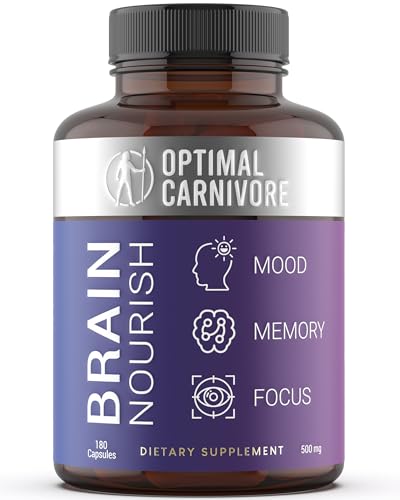
Exploring the Mechanisms: How Lion’s Mane Might Influence Well-being
The potential mechanisms through which lion’s mane might exert its effects are an active area of scientific inquiry. Researchers have investigated compounds within lion’s mane, such as hericenones and erinacines, for their potential to support nerve growth factor (NGF) production. NGF plays a role in the maintenance and growth of neurons, which are crucial for brain health.
While supporting brain health is a broad concept, a healthy neurological system is fundamental for regulating various bodily functions, including mood and stress responses. A balanced mood and reduced stress can create a more favorable environment for sleep. However, specific research directly linking lion’s mane’s neurological support to perimenopausal sleep improvement is not yet available.
What the Research Doesn’t Tell Us (Yet)
It is important to clearly state that current scientific evidence specifically investigating lion’s mane mushroom for improving sleep quality during perimenopause is limited. The study cited, while indicating a reduction in depression and anxiety [1], did not directly assess sleep parameters in a perimenopausal population.
Therefore, any suggestion that lion’s mane can improve sleep in perimenopause based on existing research is largely speculative and based on indirect inferences from studies on mood. More targeted research, including clinical trials specifically designed to evaluate the effects of lion’s mane on sleep disturbances in perimenopausal women, is needed to draw definitive conclusions.
References
- Reduction of depression and anxiety by 4 weeks Hericium erinaceus intake. Biomedical research (Tokyo, Japan), 2010
These statements have not been evaluated by the Food and Drug Administration. This information is not intended to diagnose, treat, cure, or prevent any disease. Content is for informational purposes only and is not medical advice; consult a qualified healthcare provider before starting any supplement. As an Amazon Associate we earn from qualifying purchases.