Navigating perimenopause often brings questions about cognitive health, including concerns about ‘brain fog’ and the long-term risk of conditions like dementia [1]. As women transition through this stage, many seek ways to support their brain function and overall well-being.
Lion’s mane mushroom (Hericium erinaceus) has gained attention for its potential neuroprotective properties. This article explores what current research indicates about lion’s mane and its possible role in supporting cognitive health, specifically for perimenopausal women, while being clear about the current limitations in evidence regarding dementia prevention.
Understanding Perimenopause and Cognitive Changes
Perimenopause is the transitional period leading up to menopause, marked by fluctuating hormone levels, particularly estrogen. These hormonal shifts can impact various bodily systems, including the brain, contributing to symptoms like memory difficulties, reduced focus, and ‘brain fog’ [1].
It’s also understood that female sex is a risk factor for Alzheimer’s disease, with menopause potentially playing a role in this connection [2]. While hormone therapy is an option for some perimenopausal women, and its long-term effects have been studied [3], many women are also interested in complementary approaches to support their cognitive health during this time.
Lion’s Mane Mushroom: A Closer Look at its Bioactive Compounds
Lion’s mane mushroom is recognized for its unique appearance and is consumed both as food and in supplement form. Its potential health benefits are attributed to various bioactive compounds found in both its fruiting bodies and mycelia [4].
Key compounds include hericenones, primarily found in the fruiting bodies, and erinacines, predominantly in the mycelia. These compounds are of interest due to their reported neurotrophic and neuroprotective effects [5].

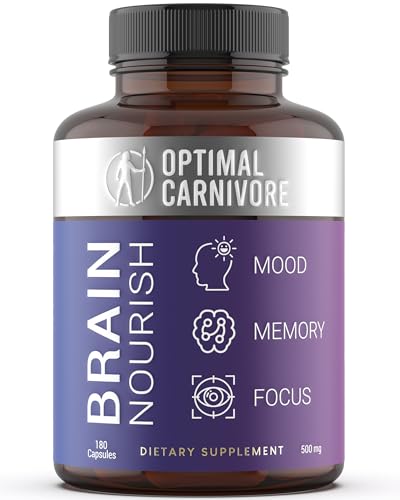
Neuroprotective Potential of Lion’s Mane: What the Studies Suggest
Research suggests that lion’s mane may exert neuroprotective effects through several mechanisms. It has been reviewed for its potential antioxidant, anti-inflammatory, and antimicrobial properties [6]. These actions could contribute to a healthier brain environment.
Specifically, some studies indicate that lion’s mane may support neurogenesis, the growth of new neurons, and nerve growth factor (NGF) production, which is crucial for the maintenance and survival of neurons [5][7]. Such effects are intriguing for cognitive health, especially in the context of age-related cognitive decline.
Lion’s Mane and Dementia Prevention in Perimenopausal Women: The Current Evidence
While the neuroprotective properties of lion’s mane are an area of active research, it is important to clarify that direct evidence specifically demonstrating that lion’s mane can prevent dementia in perimenopausal women is very limited at this time. Much of the existing research on lion’s mane and neurodegenerative conditions is preclinical (in vitro or animal studies) or involves human studies on broader cognitive function, not dementia prevention specifically [7].
Reviews of lion’s mane have highlighted its potential benefits for neurological health, including its neurotrophic and neuroprotective effects [5][6]. However, these reviews also emphasize that more robust human clinical trials are needed to confirm these effects, particularly regarding long-term outcomes like dementia prevention. Systematic reviews on lion’s mane as a supplement discuss its benefits, side effects, and uses, but specific evidence for dementia prevention in perimenopausal women is not a primary finding [8].
Therefore, while the general neuroprotective mechanisms of lion’s mane are promising, it is not currently established that it can prevent dementia in perimenopausal women. The connection between menopause and Alzheimer’s risk is recognized [2], but specific interventions like lion’s mane for this particular demographic and outcome require much more dedicated research.
References
- Brain fog in menopause: a health-care professional’s guide for decision-making and counseling on cognition. Climacteric : the journal of the International Menopause Society, 2022
- Female Sex and Alzheimer’s Risk: The Menopause Connection. The journal of prevention of Alzheimer’s disease, 2018
- Long-term hormone therapy for perimenopausal and postmenopausal women. The Cochrane database of systematic reviews, 2017
- Chemistry, Nutrition, and Health-Promoting Properties of Hericium erinaceus (Lion’s Mane) Mushroom Fruiting Bodies and Mycelia and Their Bioactive Compounds. Journal of agricultural and food chemistry, 2015
- Neurotrophic and Neuroprotective Effects of Hericium erinaceus. International journal of molecular sciences, 2023
- Lion’s Mane Mushroom (Hericium erinaceus): A Neuroprotective Fungus with Antioxidant, Anti-Inflammatory, and Antimicrobial Potential-A Narrative Review. Nutrients, 2025
- Hericium erinaceus in Neurodegenerative Diseases: From Bench to Bedside and Beyond, How Far from the Shoreline?. Journal of fungi (Basel, Switzerland), 2023
- Benefits, side effects, and uses of Hericium erinaceus as a supplement: a systematic review. Frontiers in nutrition, 2025
These statements have not been evaluated by the Food and Drug Administration. This information is not intended to diagnose, treat, cure, or prevent any disease. Content is for informational purposes only and is not medical advice; consult a qualified healthcare provider before starting any supplement. As an Amazon Associate we earn from qualifying purchases.