Perimenopause, the transition leading up to menopause, can bring about a range of changes, including shifts in mood. For many women, this period may involve experiencing symptoms such as sadness, irritability, and a general feeling of low mood, sometimes described as depressive symptoms. Understanding various approaches to support well-being during this time is a common interest.
Lion’s mane mushroom (Hericium erinaceus) has garnered attention for its potential benefits, particularly concerning cognitive function and mood. This article will explore the current evidence regarding lion’s mane and its possible role in supporting mood during the perimenopausal transition, focusing on what research suggests about its impact on depressive symptoms.
Understanding Depressive Symptoms in Perimenopause
The perimenopausal phase is characterized by fluctuating hormone levels, primarily estrogen and progesterone, which can significantly influence brain chemistry and mood regulation [1]. These hormonal shifts are believed to contribute to the increased vulnerability to mood disturbances, including depressive symptoms, that some women experience during this time [2]. Symptoms can range from mild mood swings to more significant feelings of sadness, loss of interest, and fatigue [3].
It’s important to recognize that depressive symptoms during perimenopause are complex and can be influenced by a combination of biological, psychological, and social factors. While hormonal fluctuations play a key role, other aspects of midlife, such as sleep disturbances, stress, and life transitions, can also contribute to mood challenges [2]. Seeking comprehensive support is often a valuable step for women navigating these experiences.
Lion’s Mane and Mood: What the Research Suggests
Research into lion’s mane mushroom has explored its potential effects on mood, including depressive symptoms. One study involving individuals who consumed Hericium erinaceus for four weeks reported a reduction in both depression and anxiety [4]. This suggests a potential positive influence on emotional well-being.
Further investigation into the therapeutic potential of Hericium erinaceus for depressive disorder has been noted, indicating an area of ongoing research interest [5]. Animal models have also provided insights, with one study demonstrating neurogenesis-dependent antidepressant-like activity of Hericium erinaceus [6]. These findings, while promising, are from various study types and require more extensive human trials, particularly in perimenopausal populations, to draw definitive conclusions.
The bioactive compounds within lion’s mane, such as hericenones and erinacines, are thought to contribute to its potential effects. These compounds are believed to interact with neurological pathways, which could play a role in mood regulation [7]. However, the exact mechanisms by which lion’s mane might influence depressive symptoms during perimenopause are still being investigated.
Specific Findings on Depressive Symptoms
While direct studies on lion’s mane specifically for perimenopausal depression are limited, existing research provides a foundation for understanding its broader impact on mood. The previously mentioned study on human subjects indicated a reduction in depressive symptoms after four weeks of Hericium erinaceus intake [4]. This study provides some human data suggesting a positive effect, though it was not specific to perimenopausal women.
A systematic review also mentioned the benefits and uses of Hericium erinaceus as a supplement, which includes discussions around its potential effects on mood [8]. While this review summarizes various findings, it’s important to remember that the strength of evidence can vary across different benefits and populations. The moderate evidence strength for lion’s mane and depressive symptoms suggests that while there are encouraging signs, more targeted research is needed.
It is crucial to note that while some studies suggest potential benefits, the research is still developing. The complexity of perimenopausal symptoms means that a multifaceted approach to well-being is often most effective. Lion’s mane may be considered as part of a broader strategy, rather than a standalone solution.
Safety Considerations and Usage
Lion’s mane mushroom is generally considered safe for consumption. A systematic review discussed the benefits and side effects of Hericium erinaceus, indicating a favorable safety profile [8]. However, as with any supplement, individual reactions can vary. It is always advisable to discuss any new supplement with a healthcare provider, especially if you are taking other medications or have underlying health conditions.
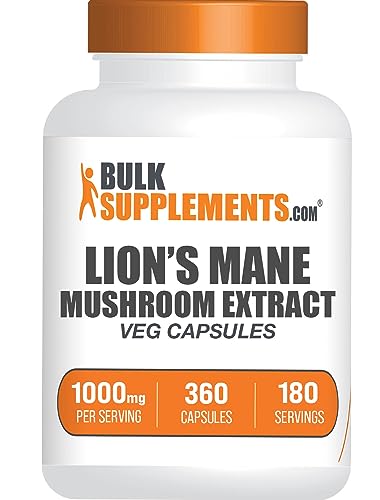
The mushroom can be consumed in various forms, including fresh, dried, or as an extract or supplement. The specific dosage and duration of use that might be beneficial for depressive symptoms during perimenopause are not yet firmly established through large-scale clinical trials. Following product label instructions and consulting with a healthcare professional for personalized guidance is recommended.
References
- Hormonal Agents for the Treatment of Depression Associated with the Menopause. Drugs & aging, 2022
- Guidelines for the Evaluation and Treatment of Perimenopausal Depression: Summary and Recommendations. Journal of women’s health (2002), 2019
- Menopausal Symptoms and Their Management. Endocrinology and metabolism clinics of North America, 2015
- Reduction of depression and anxiety by 4 weeks Hericium erinaceus intake. Biomedical research (Tokyo, Japan), 2010
- Therapeutic Potential of Hericium erinaceus for Depressive Disorder. International journal of molecular sciences, 2019
- Neurogenesis-dependent antidepressant-like activity of Hericium erinaceus in an animal model of depression. Chinese medicine, 2021
- Chemistry, Nutrition, and Health-Promoting Properties of Hericium erinaceus (Lion’s Mane) Mushroom Fruiting Bodies and Mycelia and Their Bioactive Compounds. Journal of agricultural and food chemistry, 2015
- Benefits, side effects, and uses of Hericium erinaceus as a supplement: a systematic review. Frontiers in nutrition, 2025
These statements have not been evaluated by the Food and Drug Administration. This information is not intended to diagnose, treat, cure, or prevent any disease. Content is for informational purposes only and is not medical advice; consult a qualified healthcare provider before starting any supplement. As an Amazon Associate we earn from qualifying purchases.