As women navigate the shifts of perimenopause and menopause, supporting cognitive well-being often becomes a focus. Lion’s mane mushroom (Hericium erinaceus) has gained attention for its potential benefits, particularly in areas related to brain function.
When considering lion’s mane, you’ll often encounter two primary forms: powders and extracts. Understanding the distinctions between these can help you make an informed choice for your personal health journey.
Understanding Lion’s Mane Mushroom
Lion’s mane is an edible medicinal mushroom recognized by its unique cascading, shaggy appearance. It has a long history of use in traditional Eastern practices and is now being explored through modern scientific research for various potential health-supporting properties.
The mushroom contains bioactive compounds, including hericenones and erinacines, which are often the focus of studies investigating its effects on the nervous system and cognitive function. Research, for instance, has explored the impact of dietary supplementation of Hericium erinaceus on spatial memory in wild-type mice [1].

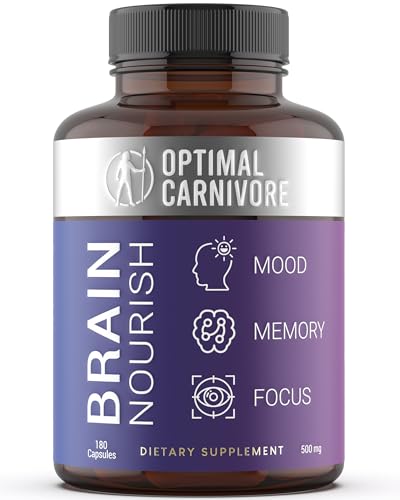
Lion’s Mane Powder: The Whole Mushroom Approach
Lion’s mane powder is typically made from dried and ground whole mushroom fruiting bodies, and sometimes includes the mycelium (the root-like structure). This form represents the complete nutritional profile of the mushroom, encompassing all its fibers, vitamins, minerals, and a spectrum of bioactive compounds in their natural ratios.
While it offers the ‘whole food’ experience, the concentration of specific active compounds like hericenones or erinacines might be lower and less standardized compared to an extract. The presence of fiber in the powder can also influence absorption rates and contribute to its overall nutritional value.
Lion’s Mane Extract: Concentrated Bioactive Compounds
Lion’s mane extracts are produced through a process that uses solvents (like hot water or alcohol) to pull out and concentrate specific bioactive compounds from the mushroom. This process aims to increase the potency of desirable constituents, such as beta-glucans, hericenones, and erinacines, which are often believed to be responsible for many of the mushroom’s potential benefits.
Extracts are typically standardized to contain a certain percentage of these active compounds, meaning a smaller dose might deliver a more concentrated amount of the targeted substances. This standardization can offer a more consistent and potentially more potent delivery of specific compounds, which some individuals may prefer when seeking particular effects.
For example, if a study indicates that a specific compound from lion’s mane influences a biological pathway, an extract designed to concentrate that compound might be seen as a more direct way to consume it. Research on Hericium erinaceus, such as studies on iron biofortification, often delves into the efficiency of uptake of different ionic forms, highlighting the importance of how compounds are presented [2].
Comparing Potential Benefits for Perimenopausal Brain Health
During perimenopause, many women experience changes in cognitive function, sometimes described as ‘brain fog’ or difficulties with memory and focus. Lion’s mane has been explored for its potential to support brain health.
Research in wild-type mice has indicated that dietary supplementation with Hericium erinaceus may support spatial memory [1]. While these findings are promising, it’s important to remember that animal studies do not always translate directly to human outcomes. Both powder and extract forms contain the compounds of interest, but the concentrated nature of extracts might be appealing to those seeking a higher, more standardized dose of specific bioactive components.
The choice between powder and extract may depend on individual preference, desired potency, and the specific aspects of brain health one aims to support. Some may prefer the holistic approach of the whole mushroom powder, while others might lean towards the concentrated and standardized nature of an extract for targeted support.
Considerations for Choosing Between Extract and Powder
When deciding between lion’s mane extract and powder, consider these factors:
- Potency and Standardization: Extracts are generally more potent and often standardized to contain a specific percentage of active compounds. Powders offer a broader spectrum of nutrients but with less concentration of specific active ingredients.
- Bioavailability: The extraction process can sometimes enhance the bioavailability of certain compounds, making them easier for the body to absorb. However, the fiber and other components in whole mushroom powder also play a role in nutrient uptake and gut health.
- Cost: Extracts can sometimes be more expensive per serving due to the additional processing required to concentrate the compounds.
- Formulation: Powders can be easily added to smoothies, coffee, or food. Extracts are available in powder, liquid, or capsule forms, offering versatility.
Ultimately, the ‘best’ form depends on your individual health goals and preferences. It’s important to choose reputable brands that provide clear information about their product’s sourcing, processing, and any standardization.
References
- Dietary Supplementation of Lion’s Mane Medicinal Mushroom, Hericium erinaceus (Agaricomycetes), and Spatial Memory in Wild-Type Mice. International journal of medicinal mushrooms, 2018
- Comparative Iron biofortification in Hericium erinaceus: A study of different ionic forms and their uptake efficiency. Food chemistry, 2026
These statements have not been evaluated by the Food and Drug Administration. This information is not intended to diagnose, treat, cure, or prevent any disease. Content is for informational purposes only and is not medical advice; consult a qualified healthcare provider before starting any supplement. As an Amazon Associate we earn from qualifying purchases.