Navigating perimenopause can bring a range of new experiences, and for some women, this includes changes in headache patterns, including migraines [1]. As interest in natural approaches grows, questions often arise about potential supportive roles for supplements like lion’s mane mushroom (Hericium erinaceus).
This article examines the current, albeit limited, scientific understanding of lion’s mane and its potential relevance to headaches and migraines, particularly during the perimenopausal transition. It’s important to approach this topic with an evidence-based perspective, acknowledging what the research indicates and where more studies are needed.
Understanding Headaches and Migraines in Perimenopause
Perimenopause, the transition phase leading to menopause, often involves fluctuating hormone levels, particularly estrogen [2]. These hormonal shifts are understood to influence various bodily systems and can significantly impact headache frequency, intensity, and type for many women [1][3]. Women who experienced migraines before perimenopause may find their patterns change, sometimes worsening, during this time [1][4].
Migraines are more prevalent in women than men, and hormonal factors are considered a key contributor to this difference [3][4]. The perimenopausal period is characterized by unpredictable hormonal shifts, which can make managing migraine symptoms particularly challenging [5]. Understanding this interplay between hormones and headaches is crucial when exploring potential supportive measures.
Lion’s Mane Mushroom: A Brief Overview
Lion’s mane mushroom (Hericium erinaceus) is a type of edible medicinal mushroom that has gained attention for its potential properties. It contains bioactive compounds, including erinacines and hericenones, which are subjects of ongoing research. While lion’s mane is often associated with cognitive support and nerve health, its direct effects on headaches and migraines, especially in humans, are not well-established.
Research into lion’s mane has explored various biological activities. For instance, studies have investigated its potential protective effects on nerve pain in animal models [6]. Other research has looked at its influence on microglial migration in laboratory settings [7]. These areas of study, while not directly addressing headaches, contribute to the broader understanding of the mushroom’s biological interactions.

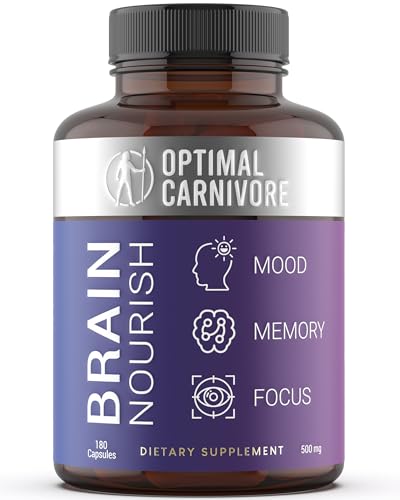
Does Lion’s Mane Help with Headaches or Migraines? The Limited Evidence
Currently, there is no direct human clinical research specifically investigating lion’s mane mushroom for the management of headaches or migraines in women during perimenopause or any other population. The available evidence is extremely limited and primarily comes from animal or in vitro (test tube) studies, which explore broader biological mechanisms rather than specific headache outcomes.
Some animal research has explored the effects of lion’s mane extracts on neuropathic pain. For example, one study in rats suggested a protective effect of lion’s mane ethanol extracts on alloxan-induced diabetic neuropathic pain [6]. Another study examined the effect of lion’s mane mycelium extracts on morphine-induced microglial migration in a laboratory setting [7]. While these studies point to potential interactions within the nervous system, they do not translate directly to effects on human headaches or migraines, nor do they pertain specifically to perimenopause.
It is crucial to understand that findings from animal or laboratory studies are preliminary and do not guarantee similar effects in humans. The mechanisms of headaches and migraines are complex, involving neurological, vascular, and inflammatory pathways, and the specific impact of lion’s mane on these pathways in the context of headache relief is not yet understood through direct research.
What We Don’t Know Yet: Gaps in Research
The current body of evidence does not provide a clear answer regarding lion’s mane’s potential to help with headaches or migraines during perimenopause. Key areas where research is lacking include:
Firstly, there are no human clinical trials assessing lion’s mane for headache or migraine relief. This means we lack data on efficacy, optimal dosage, potential side effects in humans for this specific application, and how it might interact with other medications or hormonal changes during perimenopause.
Secondly, even the indirect animal and in vitro studies on lion’s mane’s neuroprotective or anti-inflammatory potential are not specifically designed to address headache mechanisms. The leap from general neurological effects in animals to specific headache relief in perimenopausal women is significant and requires dedicated research.
References
- Migraine and perimenopause. Maturitas, 2014
- Menopause, Perimenopause, and Migraine: Understanding the Intersections and Implications for Treatment. Neurology and therapy, 2025
- Migraine in Women. Seminars in neurology, 2017
- Migraine in Women. Neurologic clinics, 2019
- Migraine, menopause and hormone replacement therapy. Post reproductive health, 2018
- Protective Effect of Ethanol Extracts of Hericium erinaceus on Alloxan-Induced Diabetic Neuropathic Pain in Rats. Evidence-based complementary and alternative medicine : eCAM, 2015
- Effect of ethanol extracts of Hericium erinaceus mycelium on morphine‑induced microglial migration. Molecular medicine reports, 2019
These statements have not been evaluated by the Food and Drug Administration. This information is not intended to diagnose, treat, cure, or prevent any disease. Content is for informational purposes only and is not medical advice; consult a qualified healthcare provider before starting any supplement. As an Amazon Associate we earn from qualifying purchases.