Navigating perimenopause often involves a range of changes, some of which may include shifts in cognitive function and mood. Emerging research suggests a connection between this life stage and processes like neuroinflammation, which refers to inflammation within the brain.
Lion’s mane mushroom (Hericium erinaceus) has garnered interest for its potential effects on neurological health. While the evidence specifically linking lion’s mane to neuroinflammation in perimenopausal women is limited, preclinical studies suggest it possesses anti-inflammatory properties that may be relevant to understanding its broader neurological impact.
Understanding Neuroinflammation in Perimenopause
Perimenopause is a transitional phase in a woman’s life that precedes menopause. Research indicates that this period may be characterized by a systemic inflammatory phase [1]. This systemic inflammation can potentially influence processes within the brain.
Neuroinflammation, or inflammation within the central nervous system, is increasingly recognized as a factor in various neurological changes. Some reviews highlight that menopause-associated depression, for instance, may involve oxidative stress and neuroinflammation [2]. Furthermore, preclinical studies, such as those in a mouse model of Alzheimer’s disease, suggest that perimenopause can promote neuroinflammation in specific hippocampal regions [3].
While the exact mechanisms are still being explored, these findings suggest that modulating inflammation might be a relevant area of focus for supporting brain health during perimenopause. The connection between perimenopause and neuroinflammation is an active area of scientific investigation, with some reports even linking perimenopause to neuroinflammation in cases of late-onset mania [4].
Lion’s Mane Mushroom: A Look at Anti-Inflammatory Properties
Lion’s mane mushroom is known for containing various bioactive compounds, including polysaccharides, erinacines, and hericenones [5]. These compounds are thought to contribute to its potential health-promoting properties.
Several reviews indicate that lion’s mane mushroom exhibits anti-inflammatory potential [6]. For example, a review of preclinical and clinical studies on medicinal mushrooms, including Hericium erinaceus, noted its anti-inflammatory effects [7].
Specific secondary metabolites isolated from Hericium erinaceus have also been studied for their anti-inflammatory activities [8]. These findings suggest that lion’s mane contains components that may influence inflammatory pathways, which could be relevant to understanding its broader effects on the body, including potentially within the nervous system.

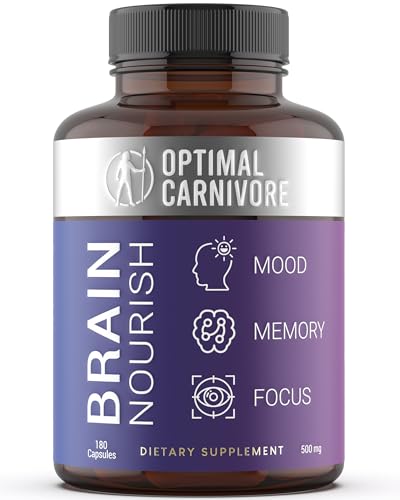
Connecting Lion’s Mane to Neuroinflammation: What the Research Suggests
While direct research on lion’s mane and neuroinflammation specifically in perimenopausal women is very limited, the existing body of evidence points to its neuroprotective and anti-inflammatory attributes in general contexts [6].
The neuroprotective potential of lion’s mane is a key area of interest, and anti-inflammatory actions are often considered part of this broader effect [6]. For example, a review exploring the therapeutic potential of Hericium erinaceus for depressive disorder noted its ability to modulate inflammation [9]. Given that neuroinflammation is implicated in mood changes during menopause [2], this suggests a possible indirect link, though more specific research is needed.
It’s important to reiterate that these are general observations about the mushroom’s properties, and translating them directly to reducing neuroinflammation in perimenopausal women requires dedicated, targeted studies. The current strength of evidence specifically for this application is limited.
Considerations for Using Lion’s Mane During Perimenopause
For women navigating perimenopause, incorporating lion’s mane as a dietary supplement is a personal choice. While research on its general benefits, side effects, and uses as a supplement is being compiled [10], its specific impact on perimenopausal neuroinflammation is not yet well-established.
As with any supplement, understanding potential interactions and individual sensitivities is important. Lion’s mane is generally considered well-tolerated, but individual responses can vary. Given the complex changes occurring during perimenopause, a holistic approach to health, including diet, exercise, and stress management, remains foundational.
If you are considering lion’s mane for specific concerns related to perimenopause, it is advisable to discuss this with a healthcare professional to ensure it is appropriate for your individual health profile and to understand how it might fit into your overall health plan.
References
- The peri-menopause in a woman’s life: a systemic inflammatory phase that enables later neurodegenerative disease. Journal of neuroinflammation, 2020
- Menopause-Associated Depression: Impact of Oxidative Stress and Neuroinflammation on the Central Nervous System-A Review. Biomedicines, 2024
- Perimenopause promotes neuroinflammation in select hippocampal regions in a mouse model of Alzheimer’s disease. bioRxiv : the preprint server for biology, 2025
- From perimenopause to neuroinflammation: Rethinking a case of late-onset mania. PCN reports : psychiatry and clinical neurosciences, 2026
- Chemistry, Nutrition, and Health-Promoting Properties of Hericium erinaceus (Lion’s Mane) Mushroom Fruiting Bodies and Mycelia and Their Bioactive Compounds. Journal of agricultural and food chemistry, 2015
- Lion’s Mane Mushroom (Hericium erinaceus): A Neuroprotective Fungus with Antioxidant, Anti-Inflammatory, and Antimicrobial Potential-A Narrative Review. Nutrients, 2025
- Antitumor, Anti-Inflammatory and Antiallergic Effects of Agaricus blazei Mushroom Extract and the Related Medicinal Basidiomycetes Mushrooms, Hericium erinaceus and Grifola frondosa: A Review of Preclinical and Clinical Studies. Nutrients, 2020
- Secondary Metabolites from Hericium erinaceus and Their Anti-Inflammatory Activities. Molecules (Basel, Switzerland), 2022
- Therapeutic Potential of Hericium erinaceus for Depressive Disorder. International journal of molecular sciences, 2019
- Benefits, side effects, and uses of Hericium erinaceus as a supplement: a systematic review. Frontiers in nutrition, 2025
These statements have not been evaluated by the Food and Drug Administration. This information is not intended to diagnose, treat, cure, or prevent any disease. Content is for informational purposes only and is not medical advice; consult a qualified healthcare provider before starting any supplement. As an Amazon Associate we earn from qualifying purchases.