As women navigate the perimenopausal transition, many explore various dietary supplements, including medicinal mushrooms like lion’s mane (Hericium erinaceus), for potential support. Lion’s mane is recognized for its nutritional value and bioactive components [1][2].
Understanding the long-term safety profile of any supplement is a key consideration, especially during a time of significant physiological change. This article examines the current evidence regarding lion’s mane long-term safety, particularly for perimenopausal women, to provide an informed perspective.
Understanding Lion’s Mane: Components and Traditional Use
Lion’s mane mushroom is known for its distinctive appearance and has been utilized in traditional practices for its potential health-promoting properties. It contains various bioactive compounds, including polysaccharides, erinacines, and hericenones, which contribute to its nutritional value [1][2]. These components are often the focus of scientific investigation into the mushroom’s effects.
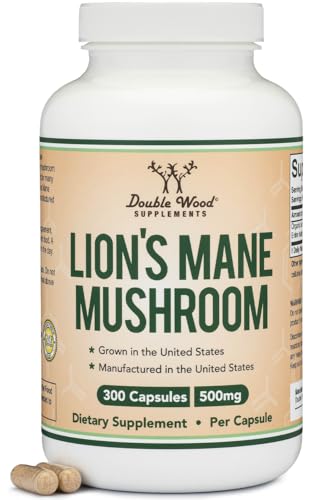
The mushroom can be consumed as a functional food or in supplement form, with preparations often derived from either the fruiting body or the mycelia [1][2]. The specific composition can vary depending on the part of the mushroom used and the extraction methods.
Preclinical Research on Lion’s Mane Long-Term Safety
Much of the initial understanding of lion’s mane safety comes from preclinical studies. One study investigated the oral toxicity of erinacine A-enriched lion’s mane mycelia in Sprague-Dawley rats over a thirteen-week period. This research found no significant adverse effects related to the lion’s mane administration, suggesting a favorable safety profile in this animal model for that duration [3].
It’s important to note that findings from animal studies do not always directly translate to human outcomes. However, such preclinical evaluations are a standard step in assessing the potential safety of dietary ingredients and can provide preliminary insights into lion’s mane long-term safety.
Human Studies and Safety Observations
While direct long-term safety studies specifically on perimenopausal women are limited, broader human studies on lion’s mane have provided some safety observations. A pilot study involving young adults investigated the acute and chronic effects of lion’s mane supplementation on cognitive function, stress, and mood. This study, which involved supplementation over a period, did not report significant adverse safety concerns among participants [4].
The duration of ‘long-term’ can vary in research. While some studies extend for several weeks or months, true multi-year data on lion’s mane in humans, especially within specific populations like perimenopausal women, is less common. The existing human research generally suggests that lion’s mane is well-tolerated in the short to medium term within study parameters.
Potential Considerations for Perimenopausal Women
Perimenopause is a dynamic period characterized by fluctuating hormone levels and a range of symptoms. While lion’s mane is often explored for its potential to support cognitive function and mood, there is currently no specific evidence directly linking lion’s mane long-term use to hormonal balance or the alleviation of perimenopausal symptoms such as hot flashes or night sweats. Other natural strategies for estrogen optimization or symptom management, such as probiotics or specific herbal extracts, are being researched in relation to menopausal symptoms [5][6][7][8][9].
When considering any supplement during perimenopause, it is always important to account for individual health status, existing medical conditions, and any other medications or supplements being taken. While general safety appears favorable based on current evidence, individual responses can vary.
It is also important to consider the quality and sourcing of lion’s mane supplements. As with any dietary supplement, choosing reputable brands that provide third-party testing and clear ingredient information can contribute to a safer experience.
References
- Medicinal Mushrooms: Their Bioactive Components, Nutritional Value and Application in Functional Food Production-A Review. Molecules (Basel, Switzerland), 2023
- Chemistry, Nutrition, and Health-Promoting Properties of Hericium erinaceus (Lion’s Mane) Mushroom Fruiting Bodies and Mycelia and Their Bioactive Compounds. Journal of agricultural and food chemistry, 2015
- Thirteen-Week Oral Toxicity Evaluation of Erinacine AEnriched Lion’s Mane Medicinal Mushroom, Hericium erinaceus (Agaricomycetes), Mycelia in Sprague-Dawley Rats. International journal of medicinal mushrooms, 2019
- The Acute and Chronic Effects of Lion’s Mane Mushroom Supplementation on Cognitive Function, Stress and Mood in Young Adults: A Double-Blind, Parallel Groups, Pilot Study. Nutrients, 2023
- Investigating the effects of probiotics during the menopause transition: A systematic review & meta-analysis. Clinical nutrition ESPEN, 2025
- Efficacy of a novel extract of fenugreek seeds in alleviating vasomotor symptoms and depression in perimenopausal women: A randomized, double-blinded, placebo-controlled study. Journal of food biochemistry, 2020
- Natural strategies to optimize estrogen levels in aging women: mini review. Frontiers in aging, 2025
- Review of black cohosh-induced toxicity and adverse clinical effects. Journal of environmental science and health. Part C, Toxicology and carcinogenesis, 2025
- Clinical Evaluation of Effectiveness and Safety of Combined Use of Dietary Supplements Amberen(®) and Smart B(®) in Women with Climacteric Syndrome in Perimenopause. Advances in therapy, 2024
These statements have not been evaluated by the Food and Drug Administration. This information is not intended to diagnose, treat, cure, or prevent any disease. Content is for informational purposes only and is not medical advice; consult a qualified healthcare provider before starting any supplement. As an Amazon Associate we earn from qualifying purchases.