Ready to buy? Check current prices on Amazon and compare deals before you decide.
Navigating perimenopause often brings a range of new experiences, and for many women, changes in cognitive function, such as brain fog and occasional memory lapses, can be particularly frustrating. These shifts are a common part of the perimenopausal transition, prompting interest in various natural approaches to support cognitive well-being.
Lion’s mane mushroom (Hericium erinaceus) has garnered attention for its potential neurotrophic properties. As a careful, evidence-based resource, we’ll explore what the current research suggests about lion’s mane and its relevance to the cognitive changes experienced during perimenopause, focusing on brain fog and memory.
Understanding Perimenopausal Brain Fog and Memory Changes
Perimenopausal brain fog is a widely reported phenomenon, characterized by difficulties with concentration, mental clarity, word retrieval, and short-term memory. These cognitive shifts are thought to be linked to fluctuating hormone levels, particularly estrogen, which plays a role in brain function[1][2].
While these experiences can be unsettling, it’s important to recognize them as a common and often temporary aspect of the perimenopausal journey. Many women seek ways to support their cognitive function during this time, leading to interest in various dietary and lifestyle strategies, including supplements like lion’s mane.
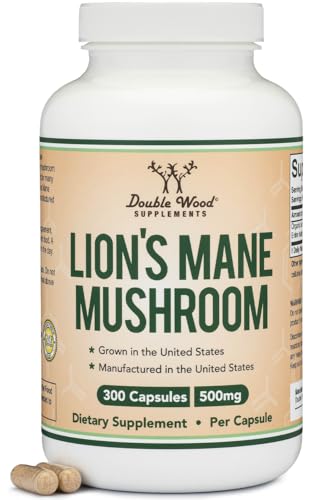
The Potential Mechanisms of Lion’s Mane: A Brief Overview
Lion’s mane mushroom contains bioactive compounds such as hericenones and erinacines, which are believed to influence nerve growth factors (NGFs)[3][4]. NGFs are proteins that play a crucial role in the growth, maintenance, and survival of neurons in the brain. Supporting these pathways is a key area of interest in cognitive health research.
The mushroom has also been explored for its antioxidant and anti-inflammatory properties[5], which could contribute to overall brain health. While these mechanisms are promising in theory, it’s important to assess how they translate into observable benefits for specific cognitive challenges like perimenopausal brain fog.
Lion’s Mane and Cognitive Function: What Does the Research Indicate?
Research on lion’s mane and cognitive function has explored various aspects of brain health. Some studies have investigated its effects on memory and cognitive performance in different populations. It’s important to note that much of the existing research has not specifically focused on perimenopausal women or the unique hormonal influences on their cognitive function.
While some studies have shown positive indications regarding cognitive improvements, the evidence is still considered moderate. Many studies are small, conducted over short durations, or involve animal models rather than human participants experiencing perimenopausal symptoms[6][7]. Therefore, drawing direct conclusions about its effectiveness for perimenopausal brain fog and memory lapses requires careful interpretation.
The body of evidence is growing, but more targeted research, specifically designed to include women in perimenopause and menopause, is needed to fully understand the potential benefits of lion’s mane for this specific demographic and their unique cognitive concerns.
Specific Findings on Memory and Cognitive Clarity
Some research has explored lion’s mane’s influence on specific cognitive domains, such as short-term memory and verbal fluency. These are areas often impacted by perimenopausal brain fog. However, the studies available do not specifically isolate perimenopausal women as a study group, making it challenging to directly apply their findings to this population.
The observed effects in broader populations suggest a potential for neurocognitive support, but whether these translate directly to alleviating the specific nuances of perimenopausal brain fog and memory lapses remains an area requiring further dedicated investigation. The complexity of hormonal changes during perimenopause adds another layer to understanding any potential impact.
Considering Lion’s Mane as Part of a Holistic Approach
For women navigating perimenopausal cognitive changes, considering lion’s mane might be part of a broader strategy. This often includes prioritizing adequate sleep, regular physical activity, a balanced diet rich in whole foods, stress management techniques, and engaging in mentally stimulating activities.
Supporting overall brain health through these foundational lifestyle factors is crucial. While lion’s mane shows promise as a supplement for cognitive support, it is generally viewed as an adjunct to, rather than a replacement for, these fundamental practices. Integrating it into a comprehensive wellness plan is often recommended.
References
- Hormonal environment affects cognition independent of age during the menopause transition. The Journal of clinical endocrinology and metabolism, 2012
- Estradiol reduction during perimenopause is associated with lower BDNF, elevated inflammation, hippocampal loss, and cognitive decline. Experimental gerontology, 2026
- Uncovering Hericenones from the Fruiting Bodies of Hericium erinaceus through Interdisciplinary Collaboration. Journal of natural products, 2025
- Beyond Neurotrophins: A Proposed Neurotrophic-Epigenetic Axis Mediated by Non-Coding RNA Networks for Hericium erinaceus Bioactives-A Hypothesis-Driven Review. International journal of molecular sciences, 2026
- Lion’s Mane Mushroom (Hericium erinaceus): A Neuroprotective Fungus with Antioxidant, Anti-Inflammatory, and Antimicrobial Potential-A Narrative Review. Nutrients, 2025
- Improving effects of the mushroom Yamabushitake (Hericium erinaceus) on mild cognitive impairment: a double-blind placebo-controlled clinical trial. Phytotherapy research : PTR, 2009
- The Acute and Chronic Effects of Lion’s Mane Mushroom Supplementation on Cognitive Function, Stress and Mood in Young Adults: A Double-Blind, Parallel Groups, Pilot Study. Nutrients, 2023
These statements have not been evaluated by the Food and Drug Administration. This information is not intended to diagnose, treat, cure, or prevent any disease. Content is for informational purposes only and is not medical advice; consult a qualified healthcare provider before starting any supplement. As an Amazon Associate we earn from qualifying purchases.