As women navigate the unique health landscape of midlife and menopause, interest in various natural wellness approaches, including medicinal mushrooms, is growing. Lion’s mane (Hericium erinaceus) is one such mushroom gaining attention. When considering any supplement, understanding its origin and the practices behind its production is an important aspect of informed decision-making.
This article will explore the considerations around lion’s mane ethical sourcing and sustainability. Making responsible choices means looking beyond the label to understand how these products are brought to market, ensuring both quality for the consumer and respect for environmental and social factors.
Understanding Lion’s Mane Cultivation and Wild Harvesting
Lion’s mane mushrooms can be either wild-harvested or cultivated. Wild harvesting involves gathering mushrooms directly from their natural habitats. While this can provide a product that is truly ‘natural,’ it also carries specific risks if not managed responsibly. Over-harvesting can deplete natural populations and disrupt delicate forest ecosystems.
Cultivation, on the other hand, involves growing mushrooms in controlled environments. This method allows for consistent quality and supply, reducing pressure on wild populations. Substrates for cultivation can vary, and innovative approaches are being explored, such as using novel chia residue-based substrate formulations for oyster mushroom cultivation, which could potentially be adapted for other mushrooms like lion’s mane [1]. Additionally, olive mill solid waste has been shown to induce beneficial mushroom-specialized metabolite diversity, suggesting other sustainable substrate options [2].

The Importance of Sustainable Sourcing Practices
Sustainable sourcing is crucial for ensuring the long-term availability of lion’s mane and minimizing environmental impact. This involves practices that do not exhaust natural resources or harm ecosystems. For cultivated mushrooms, this might mean utilizing agricultural byproducts as growing substrates or employing energy-efficient cultivation methods.
Research into optimizing mushroom cultivation continues, with studies exploring ways to improve yield and shelf life, for example, by upregulating specific genes in bacteria used in the cultivation of Agaricus bisporus [3]. Such advancements in cultivation techniques can contribute to more sustainable and efficient production of various mushroom species, including lion’s mane.
Ethical Considerations in the Supply Chain
Ethical sourcing extends beyond environmental impact to include social responsibility within the supply chain. This means ensuring fair labor practices, safe working conditions, and equitable compensation for all individuals involved in the production process, from cultivators to processors. Transparency in the supply chain allows consumers to make more informed decisions about the products they choose.
When a company provides clear information about where and how their lion’s mane is grown and processed, it demonstrates a commitment to ethical practices. This transparency can help consumers feel more confident in their choices, knowing that their supplement purchase supports responsible business models.
Choosing a Reputable Lion’s Mane Supplement Provider
For women considering lion’s mane supplements, selecting a reputable provider is key. Look for companies that openly share information about their sourcing practices, whether they wild-harvest responsibly or cultivate their mushrooms sustainably. Certifications from independent third parties can also offer assurance regarding quality and ethical standards, though specific certifications for lion’s mane ethical sourcing may vary.
A reputable provider should also offer clear information about the product’s composition, including whether it contains fruiting body, mycelium, or a blend. Understanding these details can help ensure you are selecting a product that aligns with your preferences and expectations. While the evidence provided does not directly discuss lion’s mane product composition, it is a general consideration for consumers of mushroom supplements.
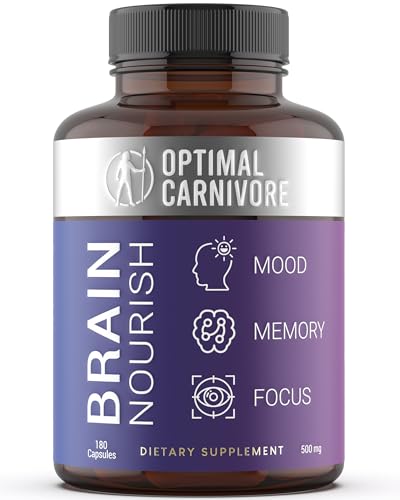
Potential Safety Considerations and Quality Control
While lion’s mane is generally considered a food, quality control and testing are important for any supplement. Contaminants like heavy metals or pesticides can be a concern, particularly if sourcing practices are not transparent. Reputable brands often conduct third-party testing to verify purity and potency, which should be part of their ethical commitment.
It’s important to be aware that even natural products can have potential effects. For example, there has been a case report of acute neurotoxicity in a child following multi-component medicinal fungi supplementation, highlighting the importance of careful use and appropriate dosages, especially for specific populations [4]. While this specific case involved a multi-component supplement and a child, it underscores the general need for caution and responsible product selection. Herbal medicines, including traditional Chinese medicine, have been associated with toxicities, emphasizing the importance of understanding product safety and interactions [5].
The Broader Context of Mushroom Research
Research into various mushrooms continues to expand our understanding of their compounds and potential applications. For instance, studies have explored the immunomodulatory activity of Pleurotus pulmonarius extract [6] and how different dietary β-glucans supplementation may influence gut microbiota and short-chain fatty acid production in mice [7]. While these studies do not specifically focus on lion’s mane, they illustrate the ongoing scientific interest in the diverse properties of fungi.
The broader context of mushroom research highlights the potential for new discoveries and improved cultivation methods, which can further contribute to sustainable and ethically sourced products in the future. As the understanding of mushrooms evolves, so too will the standards and practices for their production and consumption.
References
- Novel chia (Salvia Hispanica L.) residue-based substrate formulations for oyster mushroom (Pleurotus ostreatus) cultivation. World journal of microbiology & biotechnology, 2025
- Olive mill solid waste induces beneficial mushroom-specialized metabolite diversity revealed by computational metabolomics strategies. Metabolomics : Official journal of the Metabolomic Society, 2025
- Upregulation of ACC deaminase gene in Bacillus velezensis UTB96 improved yield and shelf Life of Agaricus bisporus. Scientific reports, 2024
- Acute neurotoxicity in a child following multi-component medicinal fungi supplementation: a case report. BMC complementary medicine and therapies, 2026
- Toxicities by herbal medicines with emphasis to traditional Chinese medicine. Current drug metabolism, 2011
- Immunomodulatory activity of Pleurotus pulmonarius crude extract to human monocyte against Cryptococcus neoformans. BMC complementary medicine and therapies, 2025
- Effects of three different dietary β-gulcans supplementation on the microbiota composition and short-chain fatty acid production in mice. BMC nutrition, 2025
These statements have not been evaluated by the Food and Drug Administration. This information is not intended to diagnose, treat, cure, or prevent any disease. Content is for informational purposes only and is not medical advice; consult a qualified healthcare provider before starting any supplement. As an Amazon Associate we earn from qualifying purchases.