Ready to buy? Check current prices on Amazon and compare deals before you decide.
Perimenopause is a significant transitional phase for women, often accompanied by various changes, including shifts in cognitive function. Many women seek natural ways to support their well-being during this time.
Lion’s mane mushroom (Hericium erinaceus) has garnered interest for its potential benefits, particularly concerning brain health. This article explores how lion’s mane might fit into a perimenopause lifestyle, emphasizing a balanced, evidence-based perspective.
Understanding Perimenopause and Cognitive Shifts
Perimenopause marks the years leading up to menopause, characterized by fluctuating hormone levels, primarily estrogen. These hormonal changes can influence various bodily systems, including the brain. Many women report experiencing ‘brain fog,’ difficulties with memory, focus, and concentration during this stage.
While these cognitive shifts are often temporary and resolve post-menopause, they can be a source of frustration. Supporting overall brain health through lifestyle choices – including diet, exercise, stress management, and adequate sleep – is a foundational approach during perimenopause.
Lion’s Mane Mushroom: A Brief Overview
Lion’s mane is an edible mushroom recognized by its distinctive shaggy appearance. It has a long history of use in traditional Eastern medicine and cuisine. In recent years, it has gained popularity as a dietary supplement due to its interesting compounds.
The mushroom contains bioactive substances, including hericenones and erinacines. These compounds are of interest to researchers for their potential interactions within the nervous system. However, it’s important to note that much of the research on these compounds is still in early stages.

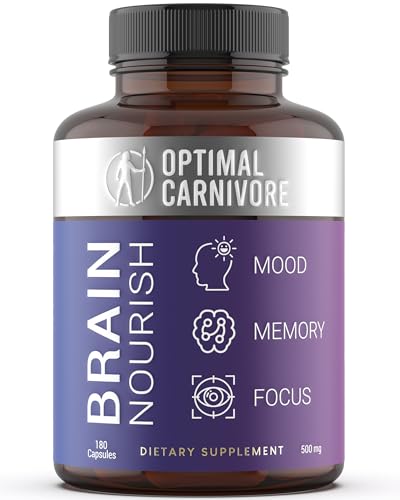
Lion’s Mane and Brain Health: What the Evidence Suggests (Limited)
Research into lion’s mane and its effects on brain health is ongoing, but it is important to acknowledge that the evidence specifically linking lion’s mane to perimenopausal brain health is quite limited. Many studies have been conducted in laboratory settings or on animal models, and human trials, especially those relevant to perimenopause, are scarce.
Currently, there is no direct scientific evidence from clinical trials demonstrating that lion’s mane mushroom specifically benefits cognitive function or alleviates ‘brain fog’ in women navigating perimenopause. While some preliminary research indicates potential neuroprotective properties, these findings have not been translated into specific recommendations for perimenopausal women. Therefore, any potential benefits in this context are largely theoretical and require much more robust investigation.
Integrating Lion’s Mane into a Perimenopause Lifestyle
If considering lion’s mane as part of a perimenopause lifestyle, it’s essential to approach it as a supplement to, rather than a replacement for, established health practices. A holistic approach to well-being during this transitional period typically includes a nutrient-rich diet, regular physical activity, stress-reduction techniques, and sufficient sleep.
For those interested in trying lion’s mane, it can be consumed in various forms, including powdered extracts, capsules, or as a culinary mushroom. Sourcing high-quality products from reputable manufacturers is advisable. Starting with a low dose and observing how your body responds is a sensible approach. Remember, individual responses to supplements can vary.
Safety and Considerations
Lion’s mane is generally considered safe for most people when consumed in food amounts. However, as with any supplement, there’s potential for individual sensitivities or interactions, particularly if you have existing health conditions or are taking other medications. There is limited data on its long-term use.
It is always prudent to discuss any new supplements, including lion’s mane, with a healthcare professional before adding them to your routine, especially during perimenopause when hormonal changes can influence various bodily functions. They can provide personalized advice based on your health history.
These statements have not been evaluated by the Food and Drug Administration. This information is not intended to diagnose, treat, cure, or prevent any disease. Content is for informational purposes only and is not medical advice; consult a qualified healthcare provider before starting any supplement. As an Amazon Associate we earn from qualifying purchases.