Lion’s mane mushroom (Hericium erinaceus) is a functional fungus that has attracted serious scientific attention for its potential to support cognitive health, nerve function, and overall well-being. Unlike many nutrients that appear across a broad range of everyday foods, lion’s mane is itself the dietary source rather than a compound found within other foods. Understanding where to find it naturally, how much you might realistically consume, and when a supplement might fill the gap is genuinely useful for anyone exploring this remarkable mushroom.
What Exactly Are You Looking For in Foods High in Lion’s Mane Mushroom?
When people search for foods high in lion’s mane mushroom, they are typically looking for one of two things: either the whole mushroom itself as a food ingredient, or dietary factors that might support the same biological pathways the mushroom is known to influence. Lion’s mane contains several bioactive compounds, most notably hericenones (found in the fruiting body) and erinacines (found in the mycelium). These compounds have been studied for their ability to stimulate nerve growth factor (NGF) synthesis, which plays a role in the maintenance and repair of neurons.
It is important to be honest here: hericenones and erinacines are not found in any other commonly consumed food [1]. If you want these specific compounds from a dietary source, lion’s mane mushroom is the only option. However, certain dietary strategies can support the same neurological and immune pathways through complementary mechanisms.
Direct Dietary Sources: The Mushroom Itself
The most straightforward answer to finding foods high in lion’s mane mushroom is to eat lion’s mane mushroom. It is a culinary mushroom with a mild, slightly sweet flavour that many people compare to crab or lobster meat. It can be sliced and sauteed, roasted, used in soups, or incorporated into grain bowls and stir-fries.
Where to Find Fresh Lion’s Mane
- Specialty grocery stores and co-ops: Larger natural food retailers and upscale supermarkets increasingly carry fresh lion’s mane, particularly in urban areas.
- Farmers markets: Small-scale mushroom cultivators often sell fresh lion’s mane at local markets, especially in autumn and early spring.
- Asian grocery stores: Lion’s mane has long been used in Chinese, Japanese, and Korean cooking and medicine, so Asian markets are a reliable source.
- Home cultivation kits: Growing your own lion’s mane at home using commercially available substrate kits is a practical and cost-effective option for regular consumers.
- Online fresh delivery: Several specialty mushroom farms now ship fresh lion’s mane directly to consumers.
Dried and Processed Forms as Food
Dried lion’s mane can be rehydrated and used in cooking much like dried shiitake. It is also sold as a culinary powder that can be stirred into soups, broths, and sauces. Lion’s mane coffee blends and teas have become popular as functional food and beverage products, though the concentration of active compounds in these products varies widely and is rarely standardised in the way supplements are.
Top Dietary Sources at a Glance
| Source | Form Available | Active Compounds Present | Typical Culinary Use | Availability |
|---|---|---|---|---|
| Fresh lion’s mane mushroom | Whole fruiting body | Hericenones, beta-glucans, polysaccharides | Sauteed, roasted, soups | Specialty stores, markets |
| Dried lion’s mane | Sliced or whole dried | Hericenones, beta-glucans (concentrated) | Rehydrated in broths, stews | Online, Asian grocers |
| Lion’s mane culinary powder | Ground dried mushroom | Variable; depends on processing | Stirred into soups, sauces, drinks | Health food stores, online |
| Lion’s mane mushroom tea | Beverage | Water-soluble polysaccharides | Hot or cold beverage | Specialty retailers |
| Lion’s mane mushroom coffee blend | Functional beverage | Variable; often low concentration | Morning coffee alternative | Health food stores, online |
Dietary Factors That Support the Same Pathways
While no other food contains hericenones or erinacines, several dietary strategies support neurological health and the conditions under which NGF-related pathways function best. These are not substitutes for lion’s mane, but they are worthwhile companions in a brain-supportive diet.
Other Functional Mushrooms
Mushrooms such as reishi, chaga, shiitake, and maitake contain beta-glucans and other immunomodulatory polysaccharides that support immune health, which overlaps with some of lion’s mane’s broader effects. Including a variety of culinary mushrooms in your diet is consistently supported by nutritional research as a positive dietary habit. You can learn more about how these compounds work in our overview at benefits and science.
Omega-3 Fatty Acids
Found in fatty fish (salmon, mackerel, sardines), walnuts, flaxseed, and chia seeds, omega-3 fatty acids support neuronal membrane integrity and have well-established roles in brain health. They work through different mechanisms than lion’s mane but complement a neuroprotective dietary pattern.
Polyphenol-Rich Foods
Blueberries, dark chocolate, green tea, turmeric, and leafy greens all provide polyphenols and antioxidants that reduce neuroinflammation and oxidative stress. These are unlikely to stimulate NGF the way erinacines do, but they support the broader environment of neurological resilience.
Vitamin D
Low vitamin D status is associated with cognitive decline in several observational studies. Mushrooms exposed to UV light (including some commercial varieties) are one of the few non-animal dietary sources of vitamin D. The NIH Office of Dietary Supplements provides comprehensive guidance on vitamin D sources and requirements.
Realistic Amounts: How Much Lion’s Mane Can You Get From Food?
Most of the human clinical research on lion’s mane has used standardised extracts at doses ranging from around 500 mg to 3,000 mg of dried mushroom equivalent per day [2]. A typical culinary serving of fresh lion’s mane is roughly 70 to 150 grams, and while this provides meaningful amounts of beta-glucans and other nutrients, it is difficult to directly compare this to the standardised extract doses used in studies. Cooking methods also affect bioavailability, with hot water extraction (as occurs in soups and teas) releasing water-soluble polysaccharides, while alcohol-based extraction (used in some supplements) is needed to concentrate hericenones.
In practical terms, eating lion’s mane mushroom as a regular part of your diet is nutritious and sensible, but achieving the doses studied in clinical trials through food alone would require consistent daily consumption of meaningful quantities, which is achievable but requires deliberate effort.
Who May Struggle to Get Enough From Diet Alone
- People in areas with limited specialty food access: Fresh lion’s mane is simply not available in many regions without online ordering or a farmers market.
- Those with mushroom texture aversions: Not everyone enjoys the stringy, meat-like texture of lion’s mane, making regular culinary consumption difficult.
- Older adults with cognitive health goals: Those seeking higher, study-aligned doses for specific neurological support may find food sources insufficient on their own.
- Individuals on tight budgets: Fresh specialty mushrooms can be significantly more expensive per serving than supplement capsules when consumed daily.
- People with specific gut absorption issues: Variable individual digestion means bioavailability from whole food sources differs from person to person.
For a deeper look at who tends to benefit most from supplementation, visit our guide on lion’s mane research and evidence.
How Do Dietary Sources Compare to Supplements?
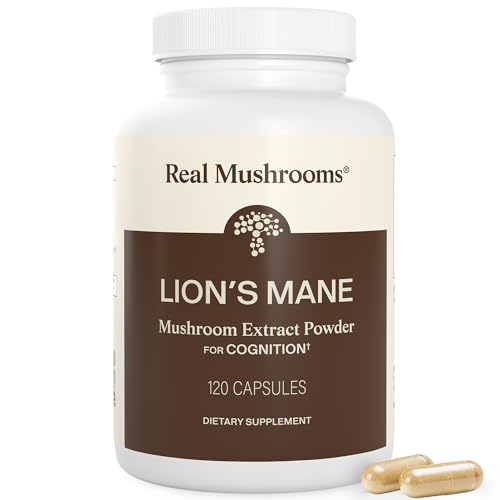
Supplements offer standardisation that food simply cannot match. A quality lion’s mane extract will specify the percentage of beta-glucans or polysaccharides and may be standardised for erinacine content. Whole food sources provide the full matrix of the mushroom, including fibre, proteins, and a broader range of minor compounds, but without guaranteed potency. For general wellness and nutritional variety, culinary lion’s mane is an excellent choice. For targeted support at clinically studied doses, a supplement is typically more practical. The ideal approach for many people is both: cooking with fresh or dried lion’s mane when available and using a standardised supplement consistently. You can explore how to evaluate supplement quality in our section on choosing mushroom supplements.
Frequently Asked Questions
Is lion’s mane mushroom found naturally in the wild?
Yes. Lion’s mane grows wild on hardwood trees, particularly oak, beech, and maple, primarily in North America, Europe, and Asia. It typically fruits in late summer through autumn. Wild foraging is possible but requires confident identification skills, as with all wild mushrooms. Most commercially available lion’s mane is cultivated rather than wild-harvested, which ensures a more consistent and contaminant-free product.
Does cooking destroy the active compounds in lion’s mane?
Heat does not necessarily destroy the beneficial compounds in lion’s mane. Many of the polysaccharides, including beta-glucans, are actually released through cooking in water, which is why lion’s mane has traditionally been consumed in soups and broths. However, hericenones may be more sensitive to prolonged high heat, which is one reason some supplement manufacturers use careful extraction processes to preserve them. Light sauteing or inclusion in soups is generally considered a reasonable culinary approach.
Can I get the brain benefits of lion’s mane just from eating it regularly?
The honest answer is that we do not yet have strong clinical data comparing whole food consumption to standardised extracts in humans. Some traditional use and animal research suggest that regular dietary consumption of the whole mushroom is beneficial. However, most human trials showing cognitive or neurological effects have used concentrated extracts. Eating lion’s mane regularly is a positive dietary habit, but it may not replicate the specific doses used in research studies. This is general health information and not a substitute for personalised medical advice.
Are there any foods that naturally boost NGF levels the way lion’s mane does?
NGF stimulation through hericenones and erinacines is fairly unique to lion’s mane among commonly consumed foods. Some research has explored the role of zinc, magnesium, and omega-3 fatty acids in supporting neurotrophic factor levels more broadly, and certain plant polyphenols have shown preliminary NGF-related activity in laboratory settings. However, none approach the specificity of lion’s mane for this mechanism. Maintaining a varied, whole-food diet supports neurological health generally, but lion’s mane stands apart in its particular mechanism of action.
How does lion’s mane tea or coffee compare to taking a capsule supplement?
Lion’s mane teas and functional coffee blends are convenient ways to incorporate the mushroom into a daily routine, and they do provide water-soluble compounds including some polysaccharides. However, the concentration of active compounds in these beverages is typically much lower than in a standardised capsule or extract, and the amounts are rarely disclosed clearly on packaging. They are a pleasant complement to a lion’s mane routine rather than a direct replacement for a quality supplement if targeted dosing is your goal.
References
- Neurotrophic properties of the Lion’s mane medicinal mushroom, Hericium erinaceus (Higher Basidiomycetes) from Malaysia. International journal of medicinal mushrooms, 2013
- Improving effects of the mushroom Yamabushitake (Hericium erinaceus) on mild cognitive impairment: a double-blind placebo-controlled clinical trial. Phytotherapy research : PTR, 2009
These statements have not been evaluated by the Food and Drug Administration. This information is not intended to diagnose, treat, cure, or prevent any disease. Content is for informational purposes only and is not medical advice; consult a qualified healthcare provider before starting any supplement. As an Amazon Associate we earn from qualifying purchases.