Ready to buy? Check current prices on Amazon and compare deals before you decide.
Navigating perimenopause often brings a range of emotional and psychological shifts, and for some women, this includes considering or using antidepressant medications. As interest in natural supplements like lion’s mane mushroom grows, understanding how they might interact with conventional treatments is a common and important concern.
This article aims to provide an evidence-based overview of what is currently known about the potential for lion’s mane antidepressant interaction, specifically for women experiencing perimenopause. Our goal is to offer clear, non-hyped information to help you make informed decisions, always in consultation with your healthcare provider.
Understanding Perimenopausal Mood Changes and Antidepressants
Perimenopause is a transitional phase leading up to menopause, characterized by fluctuating hormone levels, primarily estrogen and progesterone. These hormonal shifts can significantly impact brain chemistry and neurotransmitter function, potentially contributing to changes in mood, increased anxiety, irritability, and depressive symptoms.
For many women, these mood changes are manageable, but for others, they can be quite disruptive. Antidepressants, particularly selective serotonin reuptake inhibitors (SSRIs) and serotonin-norepinephrine reuptake inhibitors (SNRIs), are commonly prescribed to help manage these symptoms by influencing neurotransmitter levels in the brain. They work by various mechanisms to help restore a more balanced mood.
Lion’s Mane Mushroom: A Brief Overview of Its Potential Effects
Lion’s mane mushroom (Hericium erinaceus) has garnered attention for its potential neurotrophic and neuroprotective properties. Research suggests it may support nerve growth factor (NGF) synthesis[1], which plays a role in the growth, maintenance, and survival of neurons.
Some studies have explored lion’s mane’s potential to influence mood and cognitive function, with some preliminary findings suggesting it might have beneficial effects on symptoms of anxiety and depression[2][3]. These effects are often attributed to its potential to support brain health and reduce inflammation[4], though more robust research is needed to fully understand these mechanisms in humans.

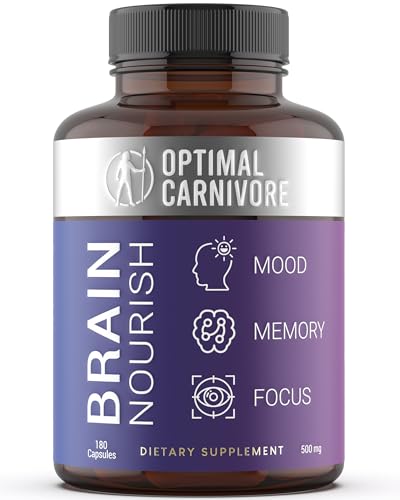
The Current Understanding of Lion’s Mane Antidepressant Interaction
When considering any supplement alongside prescribed medication, the potential for interaction is a primary concern. An interaction occurs when one substance alters the effects of another, either by enhancing or diminishing its action, or by changing how the body processes it. This can lead to increased side effects or reduced effectiveness of the medication.
Regarding lion’s mane antidepressant interaction, it is crucial to state that there is currently no direct scientific evidence from human studies specifically investigating how lion’s mane mushroom interacts with antidepressant medications[5]. This means we do not have specific clinical data to indicate whether lion’s mane enhances, diminishes, or otherwise alters the effects of common antidepressants like SSRIs or SNRIs.
The absence of evidence, however, does not equate to evidence of absence. Without specific research, it is impossible to definitively say whether an interaction exists or not. This highlights the importance of caution and professional guidance when combining lion’s mane with any prescription medication.
Theoretical Considerations and Cautious Approach
While direct interaction studies are lacking, it’s prudent to consider theoretical possibilities based on what is known about both lion’s mane and antidepressants. If lion’s mane does influence mood or neurotransmitter systems, even subtly, there is a theoretical potential for it to interact with medications designed to do the same.
For instance, if lion’s mane were to independently increase serotonin levels or influence serotonin receptors, there could be a theoretical concern about serotonin syndrome when combined with SSRIs, though this is purely speculative without evidence. Similarly, if lion’s mane affects liver enzymes involved in drug metabolism, it could alter how antidepressants are processed by the body. However, these are theoretical concerns and not supported by direct research at this time.
Given the limited evidence, a cautious approach is always recommended. This means openly discussing all supplements, including lion’s mane, with your healthcare provider before starting them, especially if you are taking antidepressant medications. Your doctor can help evaluate potential risks based on your individual health profile and the specific medications you are using.
Key Considerations for Women in Perimenopause
For women in perimenopause, the landscape of health changes can be complex. Mood fluctuations, sleep disturbances, and other symptoms can lead to a desire to explore various supportive options, including natural supplements. It’s important to remember that perimenopausal symptoms can sometimes mimic or exacerbate underlying mood disorders, making accurate diagnosis and appropriate management essential.
If you are experiencing mood changes during perimenopause and are considering lion’s mane, or are already taking an antidepressant, open communication with your doctor is paramount. They can help you weigh the potential benefits and risks of any supplement in the context of your overall health and medication regimen. Self-medicating or altering prescribed dosages without medical supervision can have serious health implications.
References
- Nerve growth factor-inducing activity of Hericium erinaceus in 1321N1 human astrocytoma cells. Biological & pharmaceutical bulletin, 2008
- Reduction of depression and anxiety by 4 weeks Hericium erinaceus intake. Biomedical research (Tokyo, Japan), 2010
- Hericium erinaceus Improves Mood and Sleep Disorders in Patients Affected by Overweight or Obesity. Evidence-based complementary and alternative medicine : eCAM, 2019
- Erinacine A-Enriched Hericium erinaceus Mycelium Produces Antidepressant-Like Effects through Modulating BDNF/PI3K/Akt/GSK-3β Signaling in Mice. International journal of molecular sciences, 2018
- Benefits, side effects, and uses of Hericium erinaceus as a supplement: a systematic review. Frontiers in nutrition, 2025
These statements have not been evaluated by the Food and Drug Administration. This information is not intended to diagnose, treat, cure, or prevent any disease. Content is for informational purposes only and is not medical advice; consult a qualified healthcare provider before starting any supplement. As an Amazon Associate we earn from qualifying purchases.