Ready to buy? Check current prices on Amazon and compare deals before you decide.
Perimenopause, the transitional period leading up to menopause, often brings with it a range of changes, including shifts in cognitive function. Many women report experiencing ‘brain fog,’ memory lapses, or difficulty concentrating during this time. Understanding how to support cognitive well-being can be a valuable part of navigating this phase.
Lion’s mane mushroom (Hericium erinaceus) has gained attention for its potential neurotrophic properties. While research in humans, particularly concerning perimenopause, is still developing, exploring natural approaches that may contribute to cognitive resilience is of interest to many.
Understanding Cognitive Changes in Perimenopause
The perimenopausal transition is characterized by fluctuating hormone levels, primarily estrogen, which can influence various bodily systems, including the brain. These hormonal shifts are thought to contribute to some of the cognitive experiences reported by women during this time, such as changes in verbal memory, processing speed, and executive function[1][2].
It’s important to recognize that these cognitive changes are often a normal part of the perimenopausal journey for many individuals. However, they can still be a source of concern and impact daily life. Strategies aimed at supporting overall brain health and function may be helpful in managing these experiences.
What is Lion’s Mane Mushroom?
Lion’s mane is an edible mushroom known for its unique appearance, resembling a white, shaggy waterfall. It has been used for centuries in traditional East Asian practices. Beyond its culinary uses, lion’s mane contains bioactive compounds, including hericenones and erinacines, which are currently being investigated for their potential effects on the nervous system[3].
These compounds are thought to interact with nerve growth factor (NGF), a protein essential for the growth, maintenance, and survival of neurons[4][5]. Research into how these interactions might translate to cognitive benefits in humans is ongoing.
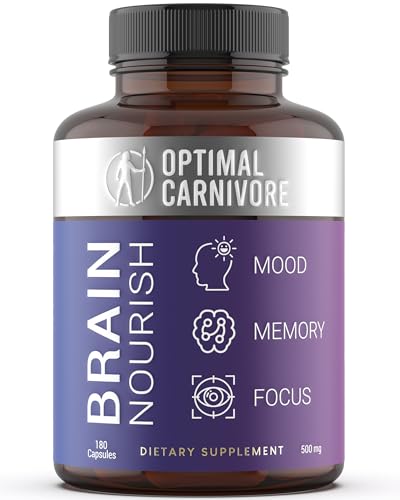
Lion’s Mane and Cognitive Function: What the Research Suggests
While direct studies on lion’s mane specifically for perimenopausal cognitive changes are not yet available, broader research has explored its impact on general cognitive function. Some studies have indicated potential benefits in areas such as memory and focus. However, it’s crucial to note that much of this research has been conducted in animal models or in human populations not specifically experiencing perimenopause, and often involves small study sizes or mixed results[6][7].
The concept of ‘cognitive resilience’ refers to the brain’s ability to maintain or recover cognitive function in the face of challenges or changes. While lion’s mane is being explored for its potential to support brain health, more robust and targeted human trials are needed to draw definitive conclusions about its specific role in building cognitive resilience during perimenopause.
Incorporating Lion’s Mane into a Holistic Wellness Approach
For women navigating perimenopause, supporting cognitive well-being typically involves a multifaceted approach. This can include maintaining a balanced diet rich in antioxidants and omega-3 fatty acids, engaging in regular physical activity, prioritizing quality sleep, managing stress effectively, and participating in mentally stimulating activities.
If considering lion’s mane, it can be viewed as one potential component within this broader wellness strategy. It is available in various forms, including powders, capsules, and extracts. As with any supplement, sourcing from reputable manufacturers is important to ensure product quality and purity.
Safety and Considerations for Lion’s Mane
Lion’s mane is generally considered safe for most individuals when consumed in food amounts[8]. In supplement form, reported side effects are rare and typically mild, such as digestive upset. However, individuals with mushroom allergies should exercise caution.
Because research is still developing, specific dosage recommendations for perimenopausal cognitive support are not established. It is always prudent to start with a lower dose and observe how your body responds. Women who are pregnant, breastfeeding, or taking medications should consult with a healthcare professional before adding any new supplement to their routine.

References
- Hormonal environment affects cognition independent of age during the menopause transition. The Journal of clinical endocrinology and metabolism, 2012
- Estradiol reduction during perimenopause is associated with lower BDNF, elevated inflammation, hippocampal loss, and cognitive decline. Experimental gerontology, 2026
- Uncovering Hericenones from the Fruiting Bodies of Hericium erinaceus through Interdisciplinary Collaboration. Journal of natural products, 2025
- Neurotrophic and Neuroprotective Effects of Hericium erinaceus. International journal of molecular sciences, 2023
- Beyond Neurotrophins: A Proposed Neurotrophic-Epigenetic Axis Mediated by Non-Coding RNA Networks for Hericium erinaceus Bioactives-A Hypothesis-Driven Review. International journal of molecular sciences, 2026
- Improving effects of the mushroom Yamabushitake (Hericium erinaceus) on mild cognitive impairment: a double-blind placebo-controlled clinical trial. Phytotherapy research : PTR, 2009
- The Acute and Chronic Effects of Lion’s Mane Mushroom Supplementation on Cognitive Function, Stress and Mood in Young Adults: A Double-Blind, Parallel Groups, Pilot Study. Nutrients, 2023
- Subchronic toxicity and genotoxicity studies of Hericium erinaceus beta-glucan extract preparation. Current research in toxicology, 2022
These statements have not been evaluated by the Food and Drug Administration. This information is not intended to diagnose, treat, cure, or prevent any disease. Content is for informational purposes only and is not medical advice; consult a qualified healthcare provider before starting any supplement. As an Amazon Associate we earn from qualifying purchases.