Perimenopause is a significant phase in a woman’s life, marked by fluctuating hormone levels that can lead to various physical and emotional shifts [1]. While estrogen often takes center stage in discussions about menopausal changes, it’s part of a broader hormonal landscape that includes progesterone and other systems [2].
Many women seek natural approaches to support their well-being during this transition. Lion’s mane mushroom (Hericium erinaceus) is gaining attention for its potential health benefits. This article will explore the current, albeit limited, evidence regarding how lion’s mane might influence overall hormone balance during perimenopause, focusing on what the research indicates so far.
Understanding Perimenopause and Hormonal Shifts
Perimenopause is the transitional period leading up to menopause, characterized by irregular menstrual cycles and fluctuating hormone levels [1]. During this time, the ovaries gradually produce less estrogen and progesterone, eventually leading to the cessation of menstruation [2]. These hormonal shifts can impact various bodily systems and contribute to symptoms often associated with this life stage.
Beyond the well-known decline in estrogen, changes in progesterone levels are also significant. Progesterone plays a crucial role in the menstrual cycle and reproductive health [3]. Its levels can fluctuate erratically during perimenopause, contributing to symptoms like irregular bleeding [3]. Understanding the interplay of these hormones is key to appreciating the complexity of this transition [4].
The Concept of Hormone Balance: More Than Just Estrogen
When discussing perimenopause, the focus often heavily leans on estrogen. However, ‘hormone balance’ is a more holistic concept, encompassing the intricate relationship between various hormones, including progesterone, and how they interact with different bodily systems [2]. Maintaining a relative equilibrium among these hormones is believed to support overall well-being during this transitional phase.
The perimenopausal period has been described as a systemic inflammatory phase that may contribute to later neurodegenerative diseases [5]. Hormonal shifts, particularly the decline in estrogen, are also linked to an increased risk of Alzheimer’s disease in women [6]. This highlights that hormonal changes extend beyond reproductive health and can influence neurological and inflammatory processes throughout the body.
Lion’s Mane and Reproductive System Support: Early Animal Research
Research into lion’s mane mushroom’s effects on hormone balance, particularly in humans experiencing perimenopause, is currently very limited. However, some early animal studies provide preliminary insights into its potential influence on reproductive systems.
One study on male rats indicated that lion’s mane mycelium improved reproductive system dysfunction induced by polystyrene microplastics [7]. While this research was conducted on male rats and involved specific environmental stressors, it suggests a potential influence of lion’s mane on reproductive system function. Another study, this time on aged hens, found that polysaccharides from Hericium erinaceus improved laying performance by promoting yolk precursor synthesis and follicle development via the liver-blood-ovary axis [8]. These findings, while not directly transferable to human perimenopause, hint at lion’s mane’s potential to interact with reproductive processes in animal models. It is crucial to remember that these are animal studies, and their relevance to human hormonal changes in perimenopause remains to be established.

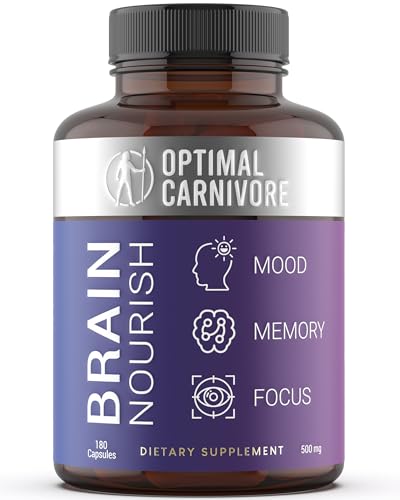
What This Means for Lion’s Mane and Perimenopausal Hormone Balance
Given the current evidence, it is important to emphasize that there is no direct human research demonstrating that lion’s mane mushroom can balance hormones or alleviate perimenopausal symptoms in women. The animal studies, while interesting, are preliminary and were conducted in specific contexts (male rats, aged hens) that are not directly analogous to human perimenopause.
The concept of ‘hormone balance’ in perimenopause is complex, involving estrogen, progesterone, and other systems [2]. While lion’s mane is being explored for various health benefits, any claims about its direct impact on human perimenopausal hormone balance are speculative based on the available scientific literature. More targeted human research is needed to understand any potential role lion’s mane might play in supporting women during this life stage.
References
- Perimenopause as a neurological transition state. Nature reviews. Endocrinology, 2015
- Menopause-Biology, consequences, supportive care, and therapeutic options. Cell, 2023
- Progesterone and abnormal uterine bleeding/menstrual disorders. Best practice & research. Clinical obstetrics & gynaecology, 2020
- Diagnostic and therapeutic use of oral micronized progesterone in endocrinology. Reviews in endocrine & metabolic disorders, 2024
- The peri-menopause in a woman’s life: a systemic inflammatory phase that enables later neurodegenerative disease. Journal of neuroinflammation, 2020
- Female Sex and Alzheimer’s Risk: The Menopause Connection. The journal of prevention of Alzheimer’s disease, 2018
- Yamabushitake Mushroom (Hericium erinaceus (Bull.) Pers. 1797) Mycelium Improves Reproductive System Dysfunction in Male Rats Induced by Polystyrene Microplastics. International journal of molecular sciences, 2025
- Polysaccharide from Hericium erinaceus improved laying performance of aged hens by promoting yolk precursor synthesis and follicle development via liver-blood-ovary axis. Poultry science, 2024
These statements have not been evaluated by the Food and Drug Administration. This information is not intended to diagnose, treat, cure, or prevent any disease. Content is for informational purposes only and is not medical advice; consult a qualified healthcare provider before starting any supplement. As an Amazon Associate we earn from qualifying purchases.