Ready to buy? Check current prices on Amazon and compare deals before you decide.
Navigating perimenopause can bring a range of changes, and for many women, shifts in cognitive function are a notable concern. Often described as ‘brain fog,’ these experiences can include challenges with memory, focus, and mental clarity, prompting interest in natural approaches to support brain health.
Among the various botanicals and fungi gaining attention, lion’s mane mushroom (Hericium erinaceus) and Bacopa monnieri are frequently discussed for their potential cognitive benefits. This article explores what is currently understood about these two natural options specifically in the context of perimenopause, emphasizing an evidence-based perspective.
Understanding Cognitive Changes in Perimenopause
Perimenopause is the transitional period leading up to menopause, characterized by fluctuating hormone levels, particularly estrogen. These hormonal shifts are thought to influence various bodily systems, including the brain. Many women report experiencing changes such as difficulty concentrating, forgetfulness, and a general sense of mental fogginess during this time.
While these cognitive shifts can be unsettling, they are often considered a normal part of the perimenopausal transition. Understanding the potential role of natural supplements like lion’s mane and bacopa in supporting cognitive well-being during this phase requires a careful look at the available research.
Lion’s Mane Mushroom: Potential for Cognitive Support
Lion’s mane mushroom is an edible fungus traditionally used in some Asian cultures. It contains bioactive compounds such as hericenones and erinacines. These compounds have been the subject of research for their potential to support nerve growth factor (NGF) synthesis, which is important for the health and maintenance of neurons.
While some preliminary research suggests lion’s mane may have neuroprotective properties and could potentially support cognitive function, the direct evidence in this population is one trial: not none, and not many. Thirty menopausal women took lion’s mane or placebo cookies daily for four weeks. Two complaint items improved significantly against placebo, while concentration, irritability and anxiety only trended without reaching significance[1]. Beyond that single study, most research has been conducted in other populations or in laboratory settings, and a systematic review of the human intervention studies describes their results as mixed[2], which makes it challenging to draw direct conclusions for this specific demographic.
The mechanisms by which lion’s mane might influence cognitive health are still being explored. It is thought that by potentially influencing NGF, it could play a role in supporting neural pathways and overall brain health. However, more targeted human studies are needed to understand its specific impact on perimenopausal cognitive symptoms.

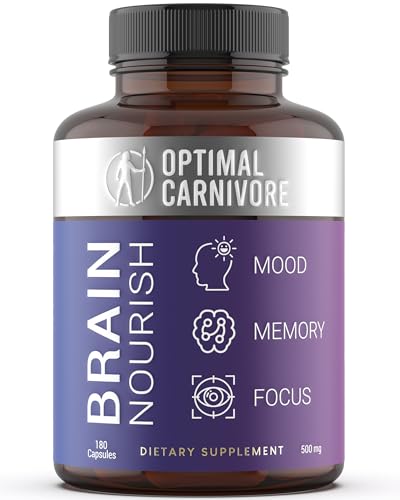
Bacopa Monnieri: A Traditional Herb for Memory
Bacopa monnieri is an herb frequently used in traditional Ayurvedic medicine, where it is valued for its potential to enhance memory and cognitive function. The primary active compounds in Bacopa are bacosides, which are believed to have antioxidant properties and to influence neurotransmitter systems in the brain.
Research on Bacopa monnieri has indicated potential benefits for memory and attention in various populations. Some studies have suggested it may help improve learning rate, memory consolidation, and reduce anxiety. However, similar to lion’s mane, specific research focusing on Bacopa’s effects on the cognitive changes experienced during perimenopause is not widely available.
The proposed mechanisms of Bacopa include its ability to modulate brain neurotransmitters like acetylcholine, which is crucial for memory and learning, and its antioxidant effects, which may help protect brain cells from damage. While promising, direct evidence for its efficacy in perimenopausal cognitive support remains to be established through dedicated studies.
Lion’s Mane vs. Bacopa: A Comparative Look for Perimenopause
When considering lion’s mane vs bacopa for cognitive support during perimenopause, it’s important to acknowledge the current limitations in scientific evidence for both. Neither has been extensively studied in clinical trials specifically designed to assess their impact on perimenopausal cognitive symptoms like brain fog, memory lapses, or focus difficulties.
Lion’s mane is primarily explored for its potential to support nerve growth factor and neurogenesis, while Bacopa is often researched for its traditional use in memory enhancement and its antioxidant properties. Both offer different theoretical pathways for supporting brain health. Without direct comparative studies in perimenopausal women, it is not possible to definitively state which might be more beneficial or effective for this specific group.
Individuals considering either supplement for perimenopausal cognitive support should approach with realistic expectations, understanding that the current body of evidence is preliminary and not specific to their unique physiological changes. Personal responses to supplements can vary, and what works for one person may not work for another.
Safety Considerations and What We Don’t Know Yet
Both lion’s mane and Bacopa monnieri are generally considered to be well-tolerated by most individuals when taken within recommended dosages. However, like all supplements, they can potentially cause side effects. For lion’s mane, these are typically mild gastrointestinal discomfort. For Bacopa, some individuals might experience nausea, stomach cramps, or dry mouth.
A significant gap in current knowledge pertains to the long-term effects of both supplements, especially when used during the hormonal fluctuations of perimenopause. Interactions with medications, particularly hormone replacement therapy (HRT) or other cognitive enhancers, are also not well-documented. Pregnant or breastfeeding women, or those with underlying health conditions, should exercise particular caution.
Given the limited specific research on lion’s mane vs bacopa in perimenopausal women, it’s crucial to consult with a healthcare professional before adding either to one’s regimen. A doctor can provide personalized advice based on an individual’s health status, existing medications, and specific needs, helping to ensure safety and appropriateness.
References
- Nagano M, Shimizu K, Kondo R, Hayashi C, Sato D, Kitagawa K, Ohnuki K. Reduction of depression and anxiety by 4 weeks Hericium erinaceus intake. Biomedical Research (2010). PMID 20834180
- Cha S, Bell L, Shukitt-Hale B, Williams CM. A review of the effects of mushrooms on mood and neurocognitive health across the lifespan. Neuroscience & Biobehavioral Reviews (2024). PMID 38246232
These statements have not been evaluated by the Food and Drug Administration. This information is not intended to diagnose, treat, cure, or prevent any disease. Content is for informational purposes only and is not medical advice; consult a qualified healthcare provider before starting any supplement. As an Amazon Associate we earn from qualifying purchases.