Lion’s mane and synthetic nootropics like piracetam or alpha-GPC get compared frequently in cognitive support discussions, but they differ in more than just origin. This article lays out the evidence quality, mechanism, and legal status differences between lion’s mane and the two most common synthetic categories, racetams and choline compounds like alpha-GPC, so the comparison is based on what each has actually demonstrated rather than the natural-versus-synthetic framing alone.
This site participates in the Amazon Associates program and may earn a commission on qualifying purchases. Nothing here has been evaluated by the FDA.
Key Takeaways
- Piracetam is not a legal dietary ingredient in the United States; the FDA has issued multiple warning letters over its sale as a supplement.
- A meta-analysis of piracetam trials found no significant memory benefit over placebo in adults with memory impairment, despite decades of use.
- Alpha-GPC has real clinical trial support in stroke recovery and cognitive decline, including a placebo-controlled Alzheimer’s trial, and is legally sold as a dietary ingredient.
- Lion’s mane’s evidence base sits between the two: a real placebo-controlled trial exists in older adults with mild cognitive impairment, but the total volume of human research is smaller than either racetams or alpha-GPC have accumulated.
- “Natural” is not a synonym for “well-studied” or “safer.” The comparison that matters is what each compound’s actual trial data shows, not its origin.
Racetams: A Long History, Mixed and Contested Evidence
Piracetam, the original racetam, has been studied since the 1970s, and proponents point to that long history as evidence of safety and effectiveness. But a rigorous review of piracetam and structurally related nootropics noted that despite observing increased turnover of various neurotransmitters, no generally accepted mechanism of action has ever been established for how the drug works.[1] More critically for anyone considering it: piracetam is not recognized as a legal dietary ingredient in the United States. The FDA rejected a formal new dietary ingredient notification for it and has issued repeated warning letters to companies selling it as a supplement, on the basis that unapproved drugs cannot be marketed as dietary supplements. Products are still sold online despite this, but buyers should understand they exist in a regulatory gray zone, not a “grandfathered” supplement category.
Alpha-GPC: The Better-Evidenced Synthetic Comparison
Alpha-GPC (choline alfoscerate) sits on firmer ground. It is a legal, widely available choline-donor compound with real placebo-controlled trial data, including a multicenter, double-blind, randomized, placebo-controlled trial in patients with mild to moderate Alzheimer’s dementia that showed cognitive improvement on standard rating scales compared to placebo.[2] It also has decades of use in stroke recovery protocols in some countries. Mechanistically, alpha-GPC works by directly supplying a raw material, choline, that the brain uses to synthesize acetylcholine, a straightforward and well-characterized pathway compared to the racetams’ undefined mechanism.
Where Lion’s Mane Fits in This Comparison
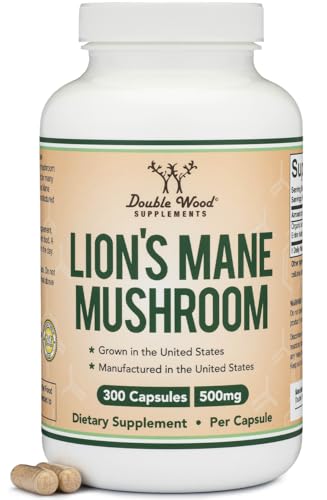
Lion’s mane’s evidence is real but smaller in volume than either synthetic category. Its best human trial, a 16-week randomized, placebo-controlled study in older adults with mild cognitive impairment, showed cognitive score improvements during treatment that declined after stopping.[3] That is a genuine, peer-reviewed clinical result, unlike piracetam’s contested modern evidence base, but it is a single population (older adults with diagnosed MCI) and a modest number of total published human trials compared to the much larger literature behind choline-based compounds like alpha-GPC, which have been studied across stroke, dementia, and general aging populations for longer.

Mechanism: Different Pathways, Not Directly Comparable
These are not interchangeable approaches to the same problem. Lion’s mane is proposed to stimulate the body’s own nerve growth factor production, a neurotrophic, repair-oriented mechanism. Alpha-GPC supplies raw material for acetylcholine synthesis, a neurotransmitter-availability mechanism. Racetams’ mechanism, per the research above, is not clearly established at all. Because they work through different (or in piracetam’s case, unclear) pathways, “which is stronger” is not really an answerable question. A more useful framing is which mechanism, and which regulatory and safety profile, fits an individual’s actual goals.
Practical Takeaway
If legal clarity and dietary-supplement status matter, lion’s mane and alpha-GPC are both legally sold as supplements in the U.S.; piracetam is not. If you want the largest volume of human clinical evidence in older or cognitively impaired populations specifically, alpha-GPC currently has more of it than lion’s mane. If you want a compound with a repair-oriented rather than neurotransmitter-boosting mechanism, lion’s mane is the more distinct option of the three. None of this substitutes for discussing supplement choices with a physician, especially if combining with any other medication.
Frequently Asked Questions
Is piracetam legal to buy in the United States?
It occupies a gray zone. The FDA does not consider it a legal dietary ingredient and has issued warning letters to companies selling it as a supplement, but it is not classified as a controlled substance, so it remains available online from some retailers despite the FDA’s position.
Does alpha-GPC have stronger evidence than lion’s mane?
In terms of total published human trials and populations studied (stroke recovery, Alzheimer’s dementia, general cognitive decline), yes, alpha-GPC’s evidence base is larger and older. Lion’s mane’s evidence, while real, comes from a smaller number of trials.
Can lion’s mane and alpha-GPC be taken together?
No published trial has tested this specific combination. Because they work through different mechanisms (neurotrophic stimulation versus neurotransmitter precursor supply), there is no known pharmacological conflict, but “no known conflict” is not the same as “studied and confirmed safe together.” Discuss combinations with a physician or pharmacist.
Why do racetams have such a long history if the evidence is contested?
Piracetam was developed in the 1960s and used clinically in some countries for decades before more rigorous modern meta-analyses reassessed the original trial data and found the effect size unconvincing compared to placebo. Long historical use and strong modern evidence are not the same thing.
References
- Gouliaev AH, Senning A. Piracetam and other structurally related nootropics. Brain Res Brain Res Rev (1994). PMID 8061686
- De Jesus Moreno Moreno M. Cognitive improvement in mild to moderate Alzheimer’s dementia after treatment with the acetylcholine precursor choline alfoscerate: a multicenter, double-blind, randomized, placebo-controlled trial. Clin Ther (2003). PMID 12637119
- Mori K, Inatomi S, Ouchi K, Azumi Y, Tuchida T. Improving effects of the mushroom Yamabushitake (Hericium erinaceus) on mild cognitive impairment: a double-blind placebo-controlled clinical trial. Phytother Res (2009). PMID 18844328
These statements have not been evaluated by the FDA. This product is not intended to diagnose, treat, cure, or prevent any disease. This article is for informational purposes only and is not a substitute for professional medical advice. As an Amazon Associate we earn from qualifying purchases.
These statements have not been evaluated by the Food and Drug Administration. This information is not intended to diagnose, treat, cure, or prevent any disease. Content is for informational purposes only and is not medical advice; consult a qualified healthcare provider before starting any supplement. As an Amazon Associate we earn from qualifying purchases.