Navigating perimenopause often brings a range of changes, including shifts in cognitive function. Many women experience what is sometimes referred to as ‘brain fog,’ characterized by challenges with memory, focus, and mental clarity. Understanding potential ways to support brain health during this transition is a common interest.
Lion’s mane mushroom (Hericium erinaceus) has garnered attention for its potential neurosupportive properties. Among the mechanisms explored, its relationship with Brain-Derived Neurotrophic Factor (BDNF) is a key area of research. This article will delve into what BDNF is and how lion’s mane might play a role in supporting brain plasticity, particularly relevant for women in perimenopause.
Understanding BDNF: A Key to Brain Health
Brain-Derived Neurotrophic Factor, or BDNF, is a protein crucial for the health and function of nerve cells. It plays a vital role in neurogenesis, the creation of new neurons, and synaptogenesis, the formation of new connections between neurons. Essentially, BDNF is a key player in brain plasticity, the brain’s ability to adapt and reorganize itself throughout life.
Optimal BDNF levels are associated with cognitive function, learning, and memory. During perimenopause, hormonal fluctuations can influence various biological systems, including those that impact brain health. Supporting BDNF levels is therefore an area of interest for maintaining cognitive vitality during this life stage.
Lion’s Mane and its Active Compounds
Lion’s mane mushroom is recognized for its unique appearance and its historical use in traditional practices. Research into its potential benefits focuses on specific bioactive compounds found within the mushroom, primarily hericenones and erinacines. These compounds are believed to contribute to its neurosupportive properties.
Hericenones are typically found in the fruiting body of the mushroom, while erinacines are predominantly present in the mycelium, the root-like structure of the fungus. Studies suggest that these compounds may influence pathways related to nerve growth factors, including BDNF, which supports brain plasticity [1][2].

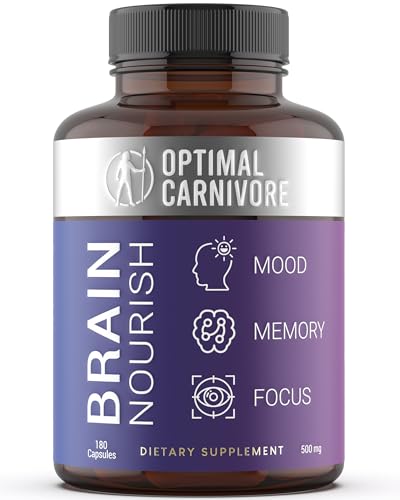
Research on Lion’s Mane and BDNF Pathways
Several studies have explored the connection between lion’s mane and BDNF. For instance, research in mice indicated that erinacine A-enriched Hericium erinaceus mycelium produced antidepressant-like effects, which were linked to modulating BDNF/PI3K/Akt/GSK-3β signaling pathways [1]. This suggests a potential mechanism by which lion’s mane components might influence brain function.
Another study, also involving the biotransformation of Hericium erinaceus, investigated its impact on the gut-brain axis and mood-related outcomes in humans. This research pointed to the involvement of CREB/BDNF signaling pathways, suggesting a complex interplay that could affect brain function and mood [3]. While promising, it’s important to remember that human research in this area is still developing, and findings from animal studies may not always directly translate to humans.
Supporting Brain Plasticity in Perimenopause
For women in perimenopause, maintaining brain plasticity is crucial for navigating potential cognitive changes. While the direct impact of lion’s mane on BDNF levels specifically in perimenopausal women requires further dedicated research, the existing evidence provides a foundation for its potential role in general brain health.
The ability of the brain to adapt and form new connections is fundamental to learning, memory, and overall cognitive resilience. By potentially influencing pathways associated with BDNF, lion’s mane may offer a way to support these vital processes. However, it is important to note that many factors contribute to brain health, and a holistic approach including diet, exercise, and stress management is also key.
Human Studies and Future Directions
While much of the foundational research on lion’s mane and BDNF mechanisms has been conducted in animal models, human studies are beginning to emerge. For example, a pilot double-blind placebo-controlled study investigated the use of erinacine A-enriched Hericium erinaceus mycelia for early Alzheimer’s disease, showing some promising results in cognitive function [4]. Although this study focused on a specific condition, it contributes to the broader understanding of lion’s mane’s neurosupportive potential in humans.
Another review highlighted the therapeutic potential of Hericium erinaceus for depressive disorder, noting its potential to influence brain health [5]. A systematic review also discussed the benefits, side effects, and uses of Hericium erinaceus as a supplement [6]. These human studies, while not always directly measuring BDNF, underscore the growing interest in lion’s mane for cognitive and mood support. More targeted research specifically on BDNF modulation in perimenopausal women would provide clearer insights.
References
- Erinacine A-Enriched Hericium erinaceus Mycelium Produces Antidepressant-Like Effects through Modulating BDNF/PI3K/Akt/GSK-3β Signaling in Mice. International journal of molecular sciences, 2018
- Hericium erinaceus in Neurodegenerative Diseases: From Bench to Bedside and Beyond, How Far from the Shoreline?. Journal of fungi (Basel, Switzerland), 2023
- Biotransformation of Ganoderma lucidum and Hericium erinaceus for ex vivo gut-brain axis modulation and mood-related outcomes in humans: CREB/BDNF signaling and microbiota-driven synergies. Journal of ethnopharmacology, 2025
- Prevention of Early Alzheimer’s Disease by Erinacine A-Enriched Hericium erinaceus Mycelia Pilot Double-Blind Placebo-Controlled Study. Frontiers in aging neuroscience, 2020
- Therapeutic Potential of Hericium erinaceus for Depressive Disorder. International journal of molecular sciences, 2019
- Benefits, side effects, and uses of Hericium erinaceus as a supplement: a systematic review. Frontiers in nutrition, 2025
These statements have not been evaluated by the Food and Drug Administration. This information is not intended to diagnose, treat, cure, or prevent any disease. Content is for informational purposes only and is not medical advice; consult a qualified healthcare provider before starting any supplement. As an Amazon Associate we earn from qualifying purchases.