Perimenopause is a significant life stage for women, marked by fluctuating hormone levels, particularly estrogen. These shifts can influence various bodily systems, including brain function, leading to experiences like ‘brain fog’ or changes in cognitive clarity.
Many women seek natural ways to support their well-being during this transition. Lion’s mane mushroom (Hericium erinaceus) has garnered interest for its potential effects on brain health, leading to questions about its role amidst the hormonal changes of perimenopause.
Understanding Perimenopause and Brain Changes
Perimenopause is the transitional phase leading up to menopause, characterized by irregular menstrual cycles and fluctuating hormone levels. Estrogen, a key hormone, plays a role in various brain functions, including memory, mood, and cognitive processing. As estrogen levels rise and fall inconsistently during perimenopause, some women report changes in their cognitive experience, often described as difficulty concentrating, memory lapses, or a general feeling of mental fogginess.
These cognitive shifts are a common concern and a natural part of the perimenopausal journey. While these changes are typically temporary, understanding potential supportive strategies for brain health can be valuable during this time.
What is Lion’s Mane Mushroom?
Lion’s mane (Hericium erinaceus) is an edible mushroom recognized for its unique appearance, resembling a white, shaggy cascade of icicles. It has been used for centuries in traditional health practices, particularly in East Asia. Beyond its culinary uses, lion’s mane has become a subject of modern research due to its bioactive compounds.
This mushroom contains compounds such as hericenones and erinacines, which are of interest to researchers studying brain health. These compounds are being investigated for their potential interactions with neurological pathways, though much of this research is still in early stages.

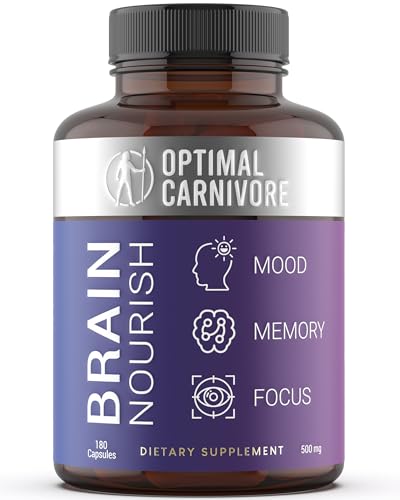
Lion’s Mane and Brain Health: Current Research Insights
Research into lion’s mane and brain health is ongoing, with some studies exploring its potential cognitive effects. A scoping review of randomized controlled trials on dietary ingredients and mental energy mentioned lion’s mane among the ingredients being studied for their potential impact on cognitive function [1]. This indicates an active area of investigation into how lion’s mane might support mental clarity.
It’s important to note that while this review highlights the continued interest in lion’s mane, it also underscores that research is still developing. The specific mechanisms by which lion’s mane might influence brain health, especially in the context of perimenopausal hormonal fluctuations, are not yet fully understood or established.
The current body of evidence suggests lion’s mane may offer some support for cognitive well-being, but more targeted and extensive research is needed to draw definitive conclusions, particularly regarding its specific effects during perimenopause.
Addressing Estrogen Fluctuation and Brain Fog with Lion’s Mane: What We Know (and Don’t Know)
The direct relationship between lion’s mane, estrogen fluctuations, and perimenopausal brain health is an area where specific research is limited. While lion’s mane is being explored for its general cognitive support [1], there is no established evidence directly linking its effects to the hormonal changes experienced during perimenopause.
Women experiencing perimenopausal brain fog are often looking for holistic support. While lion’s mane may contribute to general brain health as part of a balanced lifestyle, it is not a ‘solution’ for hormonally-induced cognitive changes. Its potential benefits are generally discussed in the context of overall cognitive support, rather than specific hormonal interactions. More research is needed to understand any potential direct or indirect impact of lion’s mane on brain health in the presence of fluctuating estrogen levels.
Incorporating Lion’s Mane into a Midlife Wellness Routine
For women considering lion’s mane as part of their midlife and perimenopausal wellness routine, it can be approached as a dietary supplement aimed at general cognitive support. It’s often available in various forms, including powders, capsules, and extracts.
As with any dietary ingredient, consistency and quality are important. Integrating lion’s mane should be viewed as one component of a broader approach to well-being, which typically includes a balanced diet, regular physical activity, adequate sleep, and stress management techniques. These foundational elements are crucial for supporting overall brain health during perimenopause and beyond.
References
- The Role of Dietary Ingredients in Mental Energy – A Scoping Review of Randomized Controlled Trials. Journal of the American Nutrition Association, 2024
These statements have not been evaluated by the Food and Drug Administration. This information is not intended to diagnose, treat, cure, or prevent any disease. Content is for informational purposes only and is not medical advice; consult a qualified healthcare provider before starting any supplement. As an Amazon Associate we earn from qualifying purchases.