Navigating perimenopause often brings new challenges, including shifts in mood, increased stress, and changes in cognitive function. Many women explore various botanical and fungal supplements to support their well-being during this transition. Among these, lion’s mane mushroom (Hericium erinaceus) and rhodiola rosea are sometimes considered for their potential effects on stress and brain health.
This article aims to provide an evidence-based overview of lion’s mane vs. rhodiola, discussing what current research suggests about their potential roles in supporting stress management and cognitive function, particularly for women experiencing perimenopausal changes. It’s important to remember that research in these areas is still developing.
Understanding Perimenopausal Stress and Cognitive Changes
Perimenopause is a natural transition period leading up to menopause, characterized by fluctuating hormone levels, primarily estrogen. These hormonal shifts can contribute to a range of symptoms, including increased feelings of stress, anxiety, and changes in mood. Many women also report experiencing ‘brain fog,’ difficulty concentrating, or memory lapses during this time.
While these experiences are common, they can significantly impact daily life. Exploring various supportive strategies, including lifestyle adjustments and potentially certain supplements, is a common approach for managing these symptoms. Understanding the potential roles of adaptogens and nootropics in this context can be helpful.
Lion’s Mane Mushroom: A Closer Look at Cognitive Potential
Lion’s mane mushroom (Hericium erinaceus) is a culinary and medicinal mushroom that has garnered attention for its potential neuroprotective and cognitive-enhancing properties. It contains compounds such as hericenones and erinacines, which are thought to influence nerve growth factors. These compounds are of interest in the context of brain health.
Regarding cognitive function, a narrative review mentioned Hericium erinaceus as one of several phytonutrients that have been explored for their effects on cognitive function [1]. This suggests an ongoing interest in its potential role in supporting brain health, although specific findings related to perimenopause or direct cognitive enhancement were not detailed in this review.
While lion’s mane is often discussed for its potential to support nerve health and cognitive processes, direct evidence specifically linking its use to improvements in perimenopausal cognitive changes or stress is still emerging and limited.

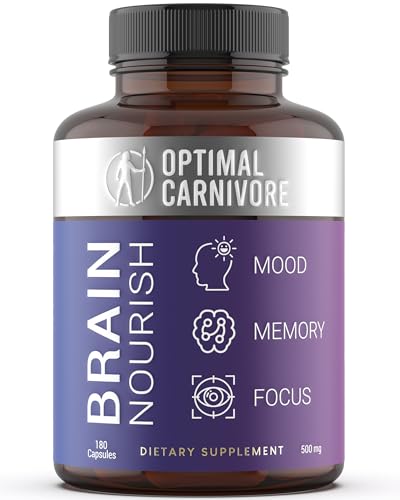
Rhodiola Rosea: An Adaptogen for Stress Support
Rhodiola rosea is an adaptogenic herb, meaning it is traditionally believed to help the body adapt to stress. It has been studied for its potential effects on fatigue, stress, and mood. The active compounds in rhodiola, such as rosavins and salidroside, are thought to contribute to its adaptogenic properties by influencing stress response pathways.
A review highlighted the potential antidepressant effects of Rhodiola rosea [2]. This suggests that rhodiola may have a role in supporting mood, which can be particularly relevant during periods of increased stress or emotional fluctuations, such as perimenopause. However, this review did not specifically focus on perimenopausal women or cognitive function.
Rhodiola is often considered for its potential to help manage fatigue and improve mental performance under stress, making it a popular choice for those seeking support for stress resilience. While its adaptogenic qualities are well-regarded, specific research on rhodiola for perimenopausal stress or cognitive changes is still limited.
Lion’s Mane vs. Rhodiola: A Comparative Perspective
When considering lion’s mane vs. rhodiola for perimenopausal support, it’s important to recognize their distinct, though potentially overlapping, areas of focus. Lion’s mane is primarily discussed in relation to its potential neurotrophic effects and cognitive support, with a narrative review noting its inclusion among phytonutrients explored for cognitive function [1]. Rhodiola, on the other hand, is widely recognized as an adaptogen, with research pointing to its potential antidepressant effects [2], suggesting a role in stress and mood support.
For women navigating perimenopause, the choice between lion’s mane and rhodiola, or even considering both, might depend on their primary concerns. If ‘brain fog’ and cognitive sharpness are the main focus, lion’s mane might be considered. If stress, fatigue, and mood fluctuations are more prominent, rhodiola might be explored. However, it is crucial to understand that direct comparative studies on these two supplements specifically for perimenopausal symptoms are lacking.
The evidence for both lion’s mane and rhodiola in the context of perimenopause is currently limited. While general research indicates potential benefits for stress and cognition, more targeted studies are needed to understand their specific impact during this unique life stage.
What We Don’t Know Yet
While there is interest in both lion’s mane and rhodiola for their potential benefits, it is important to acknowledge the gaps in current research. We currently lack robust, large-scale clinical trials specifically investigating the effects of lion’s mane or rhodiola on perimenopausal symptoms, including cognitive changes, mood swings, or stress levels unique to this period.
The optimal dosages, long-term safety profiles, and potential interactions with hormone replacement therapy or other medications commonly used during perimenopause are not yet fully established for these supplements. More research is needed to provide clear guidance for women in this life stage.
References
- The effects of twenty-one nutrients and phytonutrients on cognitive function: A narrative review. Journal of clinical and translational research, 2021
- Potential Antidepressant Effects of Scutellaria baicalensis, Hericium erinaceus and Rhodiola rosea. Antioxidants (Basel, Switzerland), 2020
These statements have not been evaluated by the Food and Drug Administration. This information is not intended to diagnose, treat, cure, or prevent any disease. Content is for informational purposes only and is not medical advice; consult a qualified healthcare provider before starting any supplement. As an Amazon Associate we earn from qualifying purchases.