Ready to buy? Check current prices on Amazon and compare deals before you decide.
As women navigate midlife and menopause, many explore various approaches to support their well-being, including dietary supplements like lion’s mane mushrooms. For those considering or currently using Hormone Replacement Therapy (HRT), questions often arise about how supplements might interact with their prescribed medications.
This article aims to provide an evidence-based overview of the current understanding regarding potential interactions between lion’s mane mushrooms and HRT. It’s important to approach this topic with a clear understanding of what is currently known and, crucially, what is not yet established by research.
What is Hormone Replacement Therapy (HRT)?
Hormone Replacement Therapy (HRT) involves taking medications to replace hormones that the body stops making during menopause. Primarily, HRT replaces estrogen, and often progesterone, to help manage menopausal symptoms such as hot flashes, night sweats, vaginal dryness, and mood changes. There are different types of HRT, including estrogen-only therapy and combined estrogen-progestogen therapy, available in various forms like pills, patches, gels, and sprays. The decision to use HRT is a personal one, made in consultation with a healthcare provider, considering individual health history and potential benefits versus risks.
Understanding Lion’s Mane Mushroom
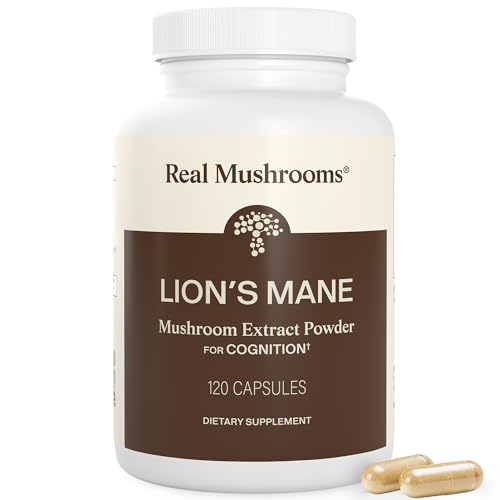
Lion’s mane mushroom (Hericium erinaceus) is an edible and medicinal fungus that has been used in traditional Eastern medicine for centuries. It’s recognized for its unique appearance and is often consumed as a dietary supplement in various forms, including capsules, powders, and extracts. Interest in lion’s mane has grown due to preliminary research exploring its potential effects on cognitive function, nerve health, and mood. However, much of this research is still in early stages, with many studies conducted in laboratory settings or on animals, and human trials are ongoing[1].
The Current Evidence on Lion’s Mane and HRT Interactions
When it comes to potential interactions between lion’s mane mushroom and Hormone Replacement Therapy (HRT), it is crucial to state that there is currently no specific scientific research or clinical studies that have investigated this topic directly[2]. This means there is no established evidence to confirm or deny any direct interactions, either beneficial or adverse.
The absence of direct studies does not necessarily mean an interaction doesn’t exist, but rather that it has not been systematically studied. Therefore, any discussion about potential interactions is theoretical and based on general knowledge of how supplements and medications can sometimes interact, rather than specific findings for lion’s mane and HRT.
It’s common for individuals to use multiple supplements alongside prescription medications. However, without dedicated research, it’s impossible to predict with certainty how lion’s mane might influence the metabolism or effectiveness of HRT, or vice versa. This lack of specific data underscores the importance of a cautious approach.
General Considerations for Supplements and Medications
When combining any supplement with prescription medication, including HRT, several general considerations are important. Some supplements can affect liver enzymes responsible for metabolizing drugs, potentially altering how quickly the body processes medications. This could lead to higher or lower levels of the medication in the body, which might impact its effectiveness or increase the risk of side effects.
Additionally, some supplements may have mild effects that, in combination with medications, could become more pronounced. For example, if a supplement has a mild effect on blood clotting, combining it with a blood-thinning medication could theoretically increase that effect. However, these are general principles and not specific findings related to lion’s mane and HRT.
Given the current lack of specific research on lion’s mane and HRT, it is particularly important to exercise caution and engage in open communication with healthcare providers.
Safety and Responsible Supplement Use
For women in midlife and menopause considering lion’s mane while on HRT, or contemplating HRT while taking lion’s mane, prioritizing safety is paramount. The responsible approach involves comprehensive communication with your healthcare team. This includes your prescribing doctor for HRT, and potentially a pharmacist or other qualified health professional who understands both your medical history and your supplement regimen.
It is always advisable to inform your doctor about all supplements you are taking, or plan to take, before starting any new medication or supplement. This allows your healthcare provider to assess your individual situation, consider any potential theoretical interactions based on their broader medical knowledge, and provide personalized guidance. They can help you weigh any potential risks against perceived benefits and monitor your health appropriately.
References
- Ameliorating Effect of the Edible Mushroom Hericium erinaceus on Depressive-Like Behavior in Ovariectomized Rats. Biological & pharmaceutical bulletin, 2022
- Benefits, side effects, and uses of Hericium erinaceus as a supplement: a systematic review. Frontiers in nutrition, 2025
These statements have not been evaluated by the Food and Drug Administration. This information is not intended to diagnose, treat, cure, or prevent any disease. Content is for informational purposes only and is not medical advice; consult a qualified healthcare provider before starting any supplement. As an Amazon Associate we earn from qualifying purchases.