Many women navigating perimenopause and menopause experience changes in cognitive function, including challenges with focus and concentration [1]. In the search for ways to support mental clarity, some individuals consider combining dietary supplements like lion’s mane mushroom with common stimulants such as caffeine.
This article will explore the current understanding of lion’s mane and caffeine, particularly for those in midlife. We’ll look at what limited evidence is available regarding their individual effects and discuss considerations for combining them, always emphasizing that research in this specific area is still developing.
Understanding Cognitive Changes in Midlife and Menopause
The menopause transition is a significant life stage that can bring about various physiological shifts. Among these, subjective cognitive symptoms are frequently reported. Women often describe difficulties with memory, attention, and the ability to concentrate during this period [1]. These changes can impact daily life and professional activities, prompting many to seek strategies to support their cognitive well-being.
While these cognitive changes are often reported, the underlying mechanisms are complex and thought to involve hormonal fluctuations, sleep disturbances, and other factors. Understanding these experiences is the first step in exploring potential supportive approaches, including dietary supplements and lifestyle adjustments.
Lion’s Mane Mushroom: A Brief Overview
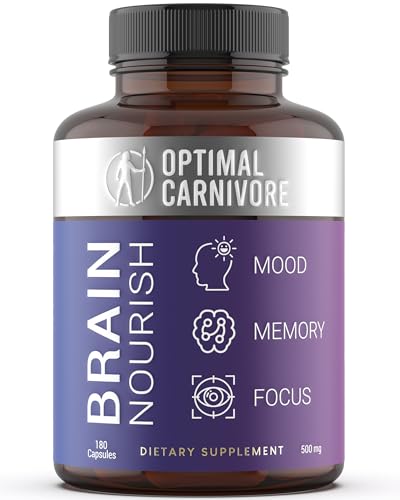
Lion’s mane mushroom (Hericium erinaceus) is a traditional edible and medicinal fungus that has gained attention for its potential neurotrophic properties. It contains compounds such as hericenones and erinacines, which are being investigated for their effects on nerve growth factors. While early research is promising, much of it has been conducted in laboratory settings or animal models, and human studies, especially those relevant to perimenopausal cognition, are still emerging.
It’s important to approach claims about lion’s mane with a balanced perspective. While some individuals report benefits related to cognitive function, these are largely anecdotal or based on preliminary research. The scientific community is still working to fully understand its mechanisms of action and its overall impact on human health.

Caffeine: A Common Stimulant
Caffeine is one of the most widely consumed psychoactive substances globally, known for its stimulant effects on the central nervous system. It primarily works by blocking adenosine receptors, which can lead to increased alertness, improved focus, and reduced perception of fatigue. Many individuals in midlife rely on caffeine to help manage daytime drowsiness or enhance concentration.
However, caffeine consumption also comes with considerations. Excessive intake can lead to jitters, anxiety, sleep disturbances, and digestive upset. Individual tolerance to caffeine varies significantly, and these effects can be more pronounced during periods of hormonal fluctuation, such as perimenopause.
Lion’s Mane and Caffeine: Exploring the Interaction
The concept of combining lion’s mane and caffeine is often discussed in online communities, with some individuals suggesting a synergistic effect – where the combined impact is greater than the sum of their individual effects. The theory often proposes that lion’s mane might offer a ‘calm focus’ or neuroprotective support, while caffeine provides immediate alertness, potentially mitigating some of caffeine’s less desirable side effects like jitters.
However, it is crucial to state that there is currently no direct scientific evidence or specific research studies investigating the interaction or combined effects of lion’s mane mushroom and caffeine in humans, particularly concerning cognitive function during perimenopause. Any perceived synergy is anecdotal and not supported by robust clinical trials. The ‘lion’s mane caffeine interaction’ remains an area awaiting scientific exploration.
Without specific research, any discussions about a synergistic combination are speculative. While both compounds have been individually studied for their potential cognitive effects, we lack data on how they might influence each other’s absorption, metabolism, or efficacy when taken together. Therefore, caution and a realistic understanding of the limited evidence are advised.
Considerations for Perimenopausal Women
For women navigating perimenopause and experiencing subjective cognitive symptoms [1], the decision to combine lion’s mane and caffeine should be made with careful consideration. Hormonal fluctuations during this time can affect how the body responds to various substances. For example, some women may find themselves more sensitive to caffeine’s stimulating effects, experiencing increased anxiety or sleep disruption.
Introducing a new supplement like lion’s mane, even if generally well-tolerated, adds another variable. It’s advisable to introduce new supplements one at a time and monitor individual responses before combining them. Observing how your body reacts to each component separately can provide valuable insight. Pay attention to changes in sleep quality, mood, energy levels, and digestive comfort.
References
- Factors associated with subjective cognitive symptoms during the menopause transition. Menopause (New York, N.Y.), 2026
These statements have not been evaluated by the Food and Drug Administration. This information is not intended to diagnose, treat, cure, or prevent any disease. Content is for informational purposes only and is not medical advice; consult a qualified healthcare provider before starting any supplement. As an Amazon Associate we earn from qualifying purchases.