Ready to buy? Check current prices on Amazon and compare deals before you decide.
As women move through midlife and menopause, experiences like brain fog and increased stress can become more common. Many begin to explore natural approaches to support their well-being during this transitional time. Among the various botanicals gaining attention, lion’s mane mushroom and ashwagandha are often discussed.
This article aims to provide an evidence-based overview of lion’s mane and ashwagandha, specifically looking at their potential roles in addressing brain fog and stress. It’s important to approach these topics with a careful perspective, understanding that research is ongoing and individual experiences can vary.
Understanding Brain Fog in Midlife
Brain fog is not a medical condition itself but rather a descriptive term for a collection of symptoms that can affect cognitive function. These can include difficulty concentrating, memory lapses, feeling mentally sluggish, and struggling to find the right words. For women in midlife and menopause, hormonal shifts, particularly fluctuating estrogen levels, are thought to contribute to these cognitive changes. Lifestyle factors such as sleep quality, stress levels, and nutrition can also play a significant role.
Experiencing brain fog can be frustrating and impact daily life, from professional responsibilities to personal interactions. Many women seek ways to support their cognitive clarity and mental sharpness during this phase. While no single solution exists, understanding potential supportive measures is a valuable part of navigating midlife changes.
The Role of Stress in Midlife and Menopause
Stress is a universal experience, but its presentation and impact can intensify during midlife and menopause. Hormonal fluctuations can make the body’s stress response more reactive, leading to heightened feelings of anxiety, irritability, and difficulty coping with daily pressures. Alongside physiological changes, women in midlife often navigate significant life events, such as career transitions, caring for aging parents, or children leaving home, all of which can add to stress levels.
Chronic stress can have wide-ranging effects on overall health, including sleep disruptions, immune system function, and even cognitive processes. Managing stress effectively is a cornerstone of well-being, and many look for natural ways to support their body’s ability to adapt to stressors. Adaptogens, a class of herbs, are often explored for this purpose due to their traditional use in helping the body maintain balance.
Lion’s Mane Mushroom: A Closer Look
Lion’s mane mushroom (Hericium erinaceus) is a unique-looking edible mushroom that has been used in traditional Eastern medicine for centuries. It is often recognized for its potential neurotrophic properties, meaning it may support the health and growth of nerve cells[1]. This has led to interest in its possible role in cognitive function and brain health. Many individuals exploring lion’s mane do so with the hope of supporting mental clarity and focus.
When considering lion’s mane for brain fog, the focus is often on its potential to support cognitive processes. For stress, the connection is less direct, but some believe that overall brain health support might indirectly contribute to better stress resilience. It’s important to remember that much of the interest in lion’s mane for these purposes is based on early research and traditional use, and more extensive human studies are needed to fully understand its effects, particularly in the context of midlife and menopause[2].
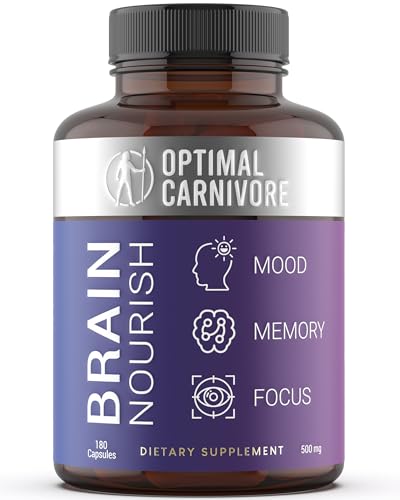
Ashwagandha: An Adaptogenic Herb
Ashwagandha (Withania somnifera) is an adaptogenic herb widely used in Ayurvedic medicine, a traditional system of medicine from India. Adaptogens are substances believed to help the body adapt to various stressors, promoting a sense of balance. Ashwagandha is primarily known for its potential to support the body’s stress response and promote relaxation.
For women experiencing stress in midlife, ashwagandha is often considered for its potential to help manage feelings of anxiety and support overall emotional well-being[3]. While its primary focus isn’t directly on brain fog, the reduction of stress can indirectly improve cognitive function, as chronic stress is a known contributor to mental fogginess. As with lion’s mane, while traditional use and some preliminary research exist, more robust studies are needed to confirm its specific benefits for women in midlife and menopause.
Lion’s Mane vs. Ashwagandha for Brain Fog and Stress
When comparing lion’s mane vs ashwagandha for brain fog and stress, it’s helpful to consider their primary areas of traditional focus and current research interest. Lion’s mane is often explored for its potential direct support of cognitive function and brain health, which could indirectly help with brain fog symptoms. Ashwagandha, on the other hand, is primarily recognized as an adaptogen that may help the body manage stress, which can then indirectly improve cognitive clarity by reducing a key contributor to brain fog.
There is currently limited direct comparative research on lion’s mane vs ashwagandha specifically for brain fog and stress in midlife women. Many individuals choose one or the other, or sometimes a combination, based on their primary concern – whether it’s more focused on direct cognitive support or general stress management. The decision often comes down to individual needs and how one’s body responds to each botanical. It’s always advisable to approach such choices with careful consideration and realistic expectations.

Safety Considerations and Individual Responses
Both lion’s mane and ashwagandha are generally considered to be well-tolerated by many people when used appropriately. However, like any supplement, they can have potential considerations. Some individuals may experience mild digestive upset with lion’s mane[4]. Ashwagandha can sometimes cause drowsiness or upset stomach in certain individuals. It is always important to start with a low dose and monitor your body’s response.
It’s crucial to remember that individual responses to supplements can vary widely. What works well for one person may not have the same effect for another. Factors such as overall health status, other medications or supplements being taken, and individual biochemistry can all influence outcomes. Always prioritize open communication with a healthcare provider before introducing any new supplement into your routine, especially if you have underlying health conditions or are taking prescription medications.
References
- Nerve growth factor-inducing activity of Hericium erinaceus in 1321N1 human astrocytoma cells. Biological & pharmaceutical bulletin, 2008
- The Acute and Chronic Effects of Lion’s Mane Mushroom Supplementation on Cognitive Function, Stress and Mood in Young Adults: A Double-Blind, Parallel Groups, Pilot Study. Nutrients, 2023
- Does Ashwagandha supplementation have a beneficial effect on the management of anxiety and stress? A systematic review and meta-analysis of randomized controlled trials. Phytotherapy research : PTR, 2022
- Benefits, side effects, and uses of Hericium erinaceus as a supplement: a systematic review. Frontiers in nutrition, 2025
These statements have not been evaluated by the Food and Drug Administration. This information is not intended to diagnose, treat, cure, or prevent any disease. Content is for informational purposes only and is not medical advice; consult a qualified healthcare provider before starting any supplement. As an Amazon Associate we earn from qualifying purchases.