Perimenopause is a natural transition often characterized by fluctuating hormone levels, particularly estrogen, which can lead to a range of experiences from shifts in mood and sleep to cognitive changes [1][2][3]. Many women seek ways to navigate these changes, and interest in natural supports like lion’s mane mushroom (Hericium erinaceus) has grown.
This article will explore the current scientific understanding of lion’s mane mushroom and its potential, albeit limited, connections to estrogen fluctuations, specifically for women in perimenopause. We will examine the available evidence to provide a clear, non-hyped overview of what is known and what remains to be investigated regarding lion’s mane, estrogen, and the perimenopausal journey.
Understanding Perimenopause and Estrogen’s Role
Perimenopause marks the period leading up to menopause, which is officially diagnosed after 12 consecutive months without a menstrual period [1]. During perimenopause, the ovaries gradually produce less estrogen, but this decline is often not linear. Instead, estrogen levels can fluctuate significantly, leading to unpredictable changes [1].
These hormonal shifts can influence various bodily systems. For example, estrogen plays a role in brain function, and its fluctuations during perimenopause may contribute to cognitive changes and other neurological symptoms experienced by some women [3][2]. Managing these symptoms often involves understanding the underlying hormonal dynamics [4].
What is Lion’s Mane Mushroom?
Lion’s mane (Hericium erinaceus) is an edible and medicinal mushroom recognized for its unique appearance, resembling a white, shaggy waterfall of spines. It has been traditionally used in some cultures for various purposes. Modern scientific interest in lion’s mane focuses on its bioactive compounds, which include polysaccharides and hericenones.
Research into lion’s mane has explored its potential effects on areas such as nerve growth and cognitive function [5]. However, it’s important to note that much of this research is in early stages, with many studies conducted in laboratory settings or on animal models, not directly on perimenopausal women.
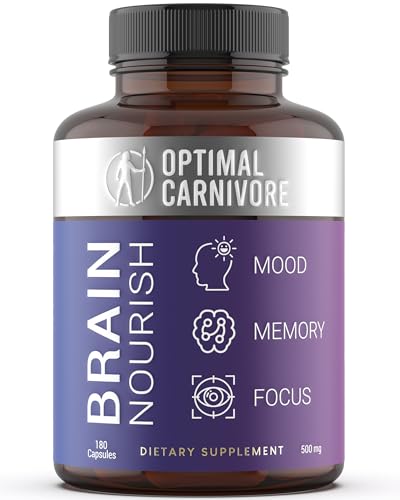
Lion’s Mane and Estrogen: Examining the Limited Connections
When considering lion’s mane and estrogen, it’s crucial to acknowledge that direct human research specifically investigating lion’s mane’s impact on estrogen levels in perimenopausal women is very limited. However, some studies provide indirect insights that warrant careful consideration.
One animal study, using ovariectomized mice (a model often used to study post-menopausal conditions), found that yamabushitake (Hericium erinaceus) powder showed anti-obesity activity [6]. While obesity can be influenced by hormonal changes, this study did not directly measure estrogen levels or explore mechanisms related to estrogen fluctuation in perimenopause. Another study in aged hens found that a polysaccharide from Hericium erinaceus improved laying performance by promoting yolk precursor synthesis and follicle development via the liver-blood-ovary axis [7]. This suggests an influence on reproductive processes in hens, but this finding cannot be directly extrapolated to human estrogen regulation during perimenopause.
Other research indicates that mushrooms can contain plant growth regulators [8], and some studies have explored optimizing lion’s mane mycelial growth by supplementing with growth hormones [9]. While these studies point to the presence of certain compounds or interactions with growth factors, they do not establish a direct link between lion’s mane consumption and estrogen regulation in humans. Additionally, a study in male rats explored the effect of lion’s mane mycelium on reproductive system dysfunction induced by polystyrene microplastics, finding improvements [10]. Again, this is an animal model focusing on male reproductive health, not human perimenopausal estrogen fluctuations.
Addressing Perimenopausal Symptoms: Where Lion’s Mane May Offer Indirect Support
While direct evidence for lion’s mane influencing estrogen levels in perimenopause is scarce, some perimenopausal experiences align with areas where lion’s mane has been researched. For example, cognitive changes are a recognized aspect of perimenopause for some women [3]. Studies, primarily in animal models, have explored lion’s mane’s potential neuroprotective effects and its influence on cognitive function [5].
It is important to emphasize that these studies do not link any observed cognitive effects directly to estrogen modulation by lion’s mane. Rather, they suggest potential independent pathways. Therefore, while lion’s mane is being explored for cognitive support, connecting this directly to estrogen fluctuations in perimenopause based on current evidence would be an overstatement.
The Current Landscape: Limited Evidence for Lion’s Mane and Estrogen in Perimenopause
Based on the available scientific literature, there is no direct, robust evidence from human studies demonstrating that lion’s mane mushroom directly impacts or regulates estrogen fluctuations in women during perimenopause. The studies cited, while interesting, are largely conducted in animal models or focus on different physiological contexts, such as male reproductive health or general anti-obesity effects in ovariectomized mice, without specifically measuring estrogen dynamics relevant to perimenopausal women [6][10][7].
The scientific community has yet to conduct specific research on lion’s mane’s direct effects on the complex hormonal shifts characteristic of perimenopause. Therefore, any claims linking lion’s mane directly to estrogen balance in this context are not supported by current human-specific, perimenopause-focused evidence. While lion’s mane is being studied for other potential benefits, it is crucial to maintain a realistic perspective regarding its role in estrogen fluctuation during perimenopause.

References
- The Menopause Transition: Signs, Symptoms, and Management Options. The Journal of clinical endocrinology and metabolism, 2021
- Perimenopause as a neurological transition state. Nature reviews. Endocrinology, 2015
- Cognitive Problems in Perimenopause: A Review of Recent Evidence. Current psychiatry reports, 2023
- Management of perimenopausal and menopausal symptoms. BMJ (Clinical research ed.), 2023
- Neuroprotective Effects of Dehydroepiandrosterone and Hericium erinaceus in Scopolamine-induced Alzheimer’s Diseases-like Symptoms in Male Rats. Cell biochemistry and biophysics, 2024
- Anti-obesity activity of Yamabushitake (Hericium erinaceus) powder in ovariectomized mice, and its potentially active compounds. Journal of natural medicines, 2017
- Polysaccharide from Hericium erinaceus improved laying performance of aged hens by promoting yolk precursor synthesis and follicle development via liver-blood-ovary axis. Poultry science, 2024
- Plant growth regulators from mushrooms. The Journal of antibiotics, 2020
- Optimization of Mycelial Growth Parameters in Lion’s Mane Edible Medicinal Mushroom Hericium erinaceus (Agaricomycetes) by Supplementation of Growth Hormones. International journal of medicinal mushrooms, 2024
- Yamabushitake Mushroom (Hericium erinaceus (Bull.) Pers. 1797) Mycelium Improves Reproductive System Dysfunction in Male Rats Induced by Polystyrene Microplastics. International journal of molecular sciences, 2025
These statements have not been evaluated by the Food and Drug Administration. This information is not intended to diagnose, treat, cure, or prevent any disease. Content is for informational purposes only and is not medical advice; consult a qualified healthcare provider before starting any supplement. As an Amazon Associate we earn from qualifying purchases.