Ready to buy? Check current prices on Amazon and compare deals before you decide.
As women navigate the transition of perimenopause, many report experiencing changes in cognitive function, sometimes referred to as ‘brain fog.’ This can manifest as difficulty with memory, focus, and mental clarity, impacting daily life and overall well-being. Understanding potential strategies to support cognitive health during this time is a common interest.
Lion’s mane mushroom (Hericium erinaceus) has garnered attention for its potential neurotrophic properties. For women in midlife experiencing memory shifts, it’s natural to wonder if this natural supplement could offer support. This article will explore the current understanding of lion’s mane and its potential role in memory for perimenopausal women.
Understanding Perimenopausal Memory Changes
Perimenopause is a dynamic phase marked by fluctuating hormone levels, particularly estrogen. These hormonal shifts are believed to influence various bodily systems, including the brain. Many women report subjective cognitive changes during this period, such as difficulty recalling words, remembering names, or multitasking.
While these experiences are common, they can be concerning. It’s important to recognize that these changes are often temporary and distinct from more serious neurodegenerative conditions. However, seeking ways to support cognitive function during this time can be a proactive step for overall brain health.
Lifestyle factors such as stress, sleep disturbances, and diet can also intersect with hormonal changes, potentially influencing cognitive experiences during perimenopause. Addressing these broader aspects of health is often a foundational part of supporting memory and mental clarity.
What is Lion’s Mane Mushroom?
Lion’s mane is an edible medicinal mushroom with a distinctive shaggy appearance, resembling a lion’s mane. It has been used for centuries in traditional East Asian medicine for various health purposes. In recent years, it has gained popularity in Western wellness circles, particularly for its potential cognitive benefits.
The mushroom contains bioactive compounds, including hericenones and erinacines. These compounds are of particular interest to researchers due to their potential to influence nerve growth factors (NGFs). NGFs are proteins that play a crucial role in the growth, maintenance, and survival of nerve cells in the brain.
While traditional uses are extensive, modern scientific inquiry is focused on understanding the specific mechanisms and effects of lion’s mane on human health, especially concerning neurological function. This includes exploring how it might interact with brain processes relevant to memory and cognition.
Lion’s Mane and Cognitive Function: The Current Picture
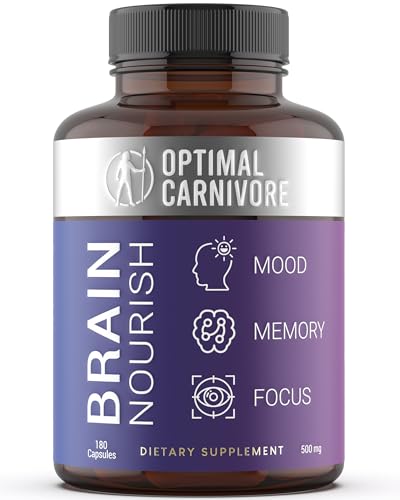
Research on lion’s mane and cognitive function has explored its potential to support brain health. The interest stems from the mushroom’s compounds, hericenones and erinacines, which are thought to cross the blood-brain barrier and potentially stimulate nerve growth factor (NGF) synthesis. NGF is vital for the health and regeneration of neurons, which are the building blocks of our brain and nervous system.[1]
However, much of the foundational research on lion’s mane’s effect on memory and cognition has been conducted in animal models or in vitro (test tube) settings. These studies often provide valuable insights into potential mechanisms but do not directly translate to human experiences or specific conditions like perimenopausal brain fog.
While some human studies have explored lion’s mane’s impact on cognitive function, these have often involved specific populations, such as older adults with mild cognitive impairment, rather than perimenopausal women specifically.[2] The results from these studies have sometimes shown modest improvements in certain cognitive measures (in one 12-week randomised trial, only one of the three cognitive tests administered improved significantly)[3], but the evidence is not yet robust enough to make definitive claims for a broad population or for the unique cognitive shifts experienced during perimenopause. The varying quality and size of these studies mean that more comprehensive research is needed to draw firm conclusions.
It’s important to approach these findings with a measured perspective. The potential for lion’s mane to support general cognitive health is an active area of research, but its specific efficacy for the memory challenges faced by women in perimenopause requires more targeted investigation.
Specific Considerations for Women in Perimenopause
The cognitive changes experienced during perimenopause are complex and multi-faceted, often influenced by fluctuating hormones, sleep disturbances, stress levels, and individual health profiles. While lion’s mane shows promise for general cognitive support, there is currently no specific research focusing on its effects on memory in perimenopausal women.
This means that while a woman might choose to incorporate lion’s mane into her wellness routine, any perceived benefits for perimenopausal memory would be anecdotal or extrapolated from general cognitive studies, rather than directly supported by research tailored to this specific demographic and life stage. It is crucial to understand this distinction.
When considering any supplement during perimenopause, it’s beneficial to adopt a holistic approach. This includes prioritizing adequate sleep, managing stress, engaging in regular physical activity, and maintaining a nutrient-rich diet. These lifestyle factors are foundational for brain health and can significantly impact cognitive function during this transitional period.
Discussing any new supplement, including lion’s mane, with a healthcare provider is always recommended, especially during a time of significant physiological change like perimenopause. This allows for consideration of individual health status, potential interactions with other medications, and personalized guidance.
How to Incorporate Lion’s Mane (and What to Expect)
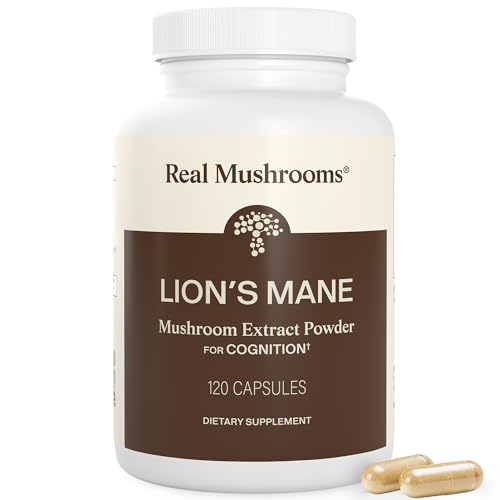
Lion’s mane is available in various forms, including capsules, powders, and tinctures. The choice of form often comes down to personal preference and ease of use. Dosing recommendations can vary between products, so it’s important to follow the manufacturer’s instructions or consult with a qualified health professional.
As with many natural supplements, the effects of lion’s mane, if any, are typically not immediate. Consistent use over several weeks or months is often suggested before evaluating potential benefits. It’s also important to remember that individual responses to supplements can vary widely.
When sourcing lion’s mane, look for reputable brands that provide third-party testing for purity and potency. This helps ensure that the product contains the advertised ingredients and is free from contaminants. Starting with a lower dose and gradually increasing it can help assess tolerance.
It is also important to maintain realistic expectations. While lion’s mane is an intriguing supplement, it is not a ‘magic bullet’ for memory challenges. It is best viewed as a potential supportive tool within a broader healthy lifestyle framework rather than a standalone solution for perimenopausal cognitive changes.
References
- Chemistry, Nutrition, and Health-Promoting Properties of Hericium erinaceus (Lion’s Mane) Mushroom Fruiting Bodies and Mycelia and Their Bioactive Compounds. Journal of agricultural and food chemistry, 2015
- Improving effects of the mushroom Yamabushitake (Hericium erinaceus) on mild cognitive impairment: a double-blind placebo-controlled clinical trial. Phytotherapy research : PTR, 2009
- Improvement of cognitive functions by oral intake of Hericium erinaceus. Biomedical research (Tokyo, Japan), 2019
These statements have not been evaluated by the Food and Drug Administration. This information is not intended to diagnose, treat, cure, or prevent any disease. Content is for informational purposes only and is not medical advice; consult a qualified healthcare provider before starting any supplement. As an Amazon Associate we earn from qualifying purchases.