Ready to buy? Check current prices on Amazon and compare deals before you decide.
Perimenopause is a transitional phase in a woman’s life that can bring about a range of changes, including shifts in mood. Many women seek natural ways to navigate these experiences, and interest in botanicals like lion’s mane mushroom (Hericium erinaceus) has grown.
This article will explore what the current scientific understanding suggests about lion’s mane and its potential connection to mood stability during perimenopause. We will examine the available research carefully, without making definitive claims or offering medical advice.
Understanding Perimenopausal Mood Swings
Perimenopause is characterized by fluctuating hormone levels, particularly estrogen and progesterone, as the body transitions towards menopause. These hormonal shifts are often linked to various symptoms, including changes in mood, irritability, anxiety, and occasional low feelings. These experiences are a common part of this life stage for many women.
While hormonal changes are a primary driver, other factors such as sleep disturbances, stress, and lifestyle can also influence mood during perimenopause. Managing these fluctuations often involves a multi-faceted approach, and some women explore dietary supplements as part of their strategy.
What is Lion’s Mane Mushroom?
Lion’s mane mushroom is an edible and medicinal fungus recognized for its unique appearance, resembling a shaggy white waterfall of icicles. It has a long history of use in traditional Eastern medicine for various purposes, including supporting overall well-being.
The mushroom contains several bioactive compounds, including hericenones and erinacines, which are currently being investigated for their potential biological activities. These compounds are often the focus of scientific studies exploring the mushroom’s effects on the body.

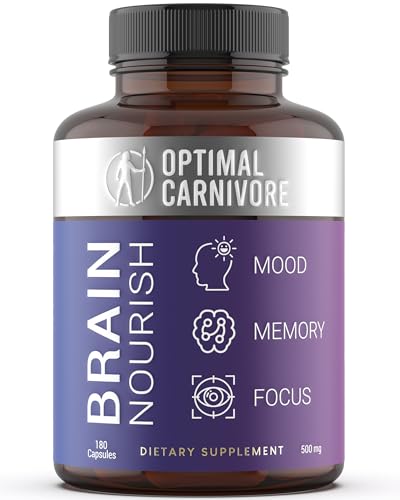
Lion’s Mane and Mood: General Research
While direct studies on lion’s mane specifically for perimenopausal mood swings are not currently available, one small randomised trial did give lion’s mane to menopausal women and measure mood alongside menopausal symptoms[1]. That trial enrolled 30 women for four weeks, and while depression and general complaint scores fell after intake, only two of the individual complaint measures were significantly better than placebo, so it is a starting point rather than a settled result. Other research has explored its general effects on mood and cognitive function. It’s important to note that these studies are not specific to the perimenopausal population and often involve different participant groups or animal models. Therefore, extrapolating these findings directly to perimenopausal mood swings requires caution.
General research on lion’s mane has looked into its potential to support nerve growth factors and its antioxidant properties. Some studies have investigated its influence on feelings of anxiety or low mood in various populations[2]. However, these findings are preliminary and require further investigation in larger, more specific human trials to draw firm conclusions regarding mood support.
The Gap in Perimenopause-Specific Research
It is crucial to acknowledge that there is currently no direct scientific evidence from human clinical trials specifically investigating the effects of lion’s mane mushroom on mood swings experienced during perimenopause. While general research on lion’s mane and mood exists, the unique hormonal and physiological landscape of perimenopause means that findings from other populations cannot be directly applied.
The absence of specific perimenopausal research means that any potential benefits for mood swings in this group are theoretical and not yet supported by direct scientific studies. More targeted research is needed to understand if lion’s mane could play a role in supporting mood stability during this particular life stage.
Considerations for Women in Perimenopause
For women navigating perimenopause and experiencing mood swings, it’s important to prioritize overall health and well-being. This includes maintaining a balanced diet, regular physical activity, adequate sleep, and stress management techniques. These foundational elements are often key to supporting mood stability.
If considering lion’s mane or any other supplement, it’s always advisable to have a conversation with a healthcare provider. They can offer personalized guidance based on individual health needs and ensure that any potential supplement choices are appropriate and do not interact with existing medications or health conditions.
References
- Reduction of depression and anxiety by 4 weeks Hericium erinaceus intake. Biomedical research (Tokyo, Japan), 2010
- Potential Antidepressant Effects of Scutellaria baicalensis, Hericium erinaceus and Rhodiola rosea. Antioxidants (Basel, Switzerland), 2020
These statements have not been evaluated by the Food and Drug Administration. This information is not intended to diagnose, treat, cure, or prevent any disease. Content is for informational purposes only and is not medical advice; consult a qualified healthcare provider before starting any supplement. As an Amazon Associate we earn from qualifying purchases.