Navigating perimenopause often brings questions about supporting cognitive function. Lion’s mane mushroom (Hericium erinaceus) has garnered interest for its potential neurotrophic and neuroprotective properties [1][2]. For those considering incorporating it, a common question arises: is it more beneficial to consume the fresh mushroom or opt for a dietary supplement?
This article will explore the current understanding of lion’s mane, comparing the potential advantages of consuming the whole mushroom versus taking concentrated extracts, particularly in the context of brain health during perimenopause. It’s important to remember that research in this area is still limited.
Understanding Lion’s Mane and Brain Health
Lion’s mane mushroom contains compounds that are being investigated for their potential impact on the brain. These include hericenones and erinacines, which are thought to contribute to its neurotrophic and neuroprotective effects [1][2]. Some studies suggest that lion’s mane may help with cognitive functions [3][4].
For example, a double-blind, placebo-controlled clinical trial observed improvements in mild cognitive impairment with oral intake of Hericium erinaceus [4]. Another study also noted improvement in cognitive functions after oral intake [3]. However, much of this research is preliminary, and more extensive studies are needed, especially in specific populations like women in perimenopause.
The mushroom is also being studied for its antioxidant and anti-inflammatory potential [2]. These properties could indirectly support brain health by helping to manage oxidative stress and inflammation, which are factors that can influence cognitive function.
The Case for Fresh Lion’s Mane Mushrooms
Consuming fresh lion’s mane mushrooms offers the benefit of ingesting the whole food, which contains a complex array of compounds beyond just the specific active ingredients often concentrated in supplements. This includes various fibers, vitamins, and minerals that work synergistically.
Fresh mushrooms, like other whole foods, also provide dietary fiber, which supports gut health. A healthy gut microbiome is increasingly recognized for its potential connection to brain health, sometimes referred to as the ‘gut-brain axis.’ While not directly studied for lion’s mane, consuming whole foods generally contributes to overall well-being.
Additionally, fresh lion’s mane can be a source of certain biofortified minerals if grown under specific conditions. For example, studies have explored selenium biofortification in Hericium erinaceus [5] and iron biofortification [6]. These minerals are important for various bodily functions, including those supporting cognitive health.

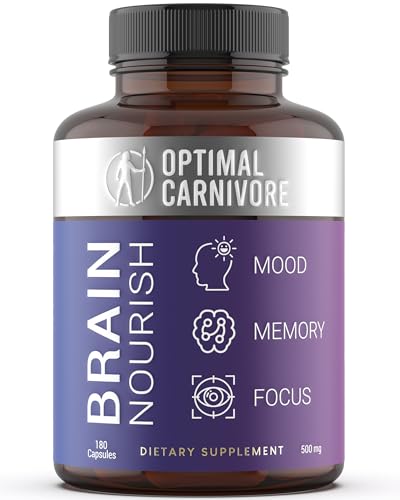
The Case for Lion’s Mane Supplements
Lion’s mane supplements are typically extracts designed to concentrate specific beneficial compounds, such as polysaccharides, hericenones, or erinacines [1]. This concentration can offer a consistent and potentially higher dose of these compounds compared to what might be obtained from a typical serving of fresh mushrooms.
Supplements offer convenience and precise dosing, which can be appealing for individuals seeking a specific intake. Some research has utilized supplements or extracts in studies. For instance, a pilot study investigated the acute and chronic effects of lion’s mane mushroom supplementation on cognitive function, stress, and mood in young adults [7]. Another study looked at the acute effects of Nordic Lion’s Mane extracts on cognitive performance [8].
Furthermore, certain supplements, like fermented lion’s mane juice, are being explored for their potential health-promoting properties [9]. This suggests that different forms of supplementation may offer distinct benefits or bioavailability profiles. The glucan profile, a type of polysaccharide, in lion’s mane is also a subject of comparative study [10].
Fresh vs. Supplement: What the Evidence Suggests for Perimenopausal Brain Health
When considering lion’s mane fresh vs supplement for perimenopausal brain health, the current evidence is limited and does not definitively point to one form being superior to the other. Most human studies on cognitive function have used extracts or powdered forms [3][4][7].
The advantage of supplements often lies in their standardized concentration of active compounds, which may allow for more consistent intake of the specific components thought to be beneficial. However, the ‘whole food matrix’ of fresh mushrooms might offer a broader spectrum of nutrients and synergistic compounds that are not fully captured in an extract.
Ultimately, the ‘best’ approach may depend on individual preferences, dietary habits, and specific health goals. Some individuals might prefer to incorporate fresh lion’s mane into their diet for its culinary versatility and whole-food benefits, while others may find supplements more convenient for consistent intake of concentrated compounds. It is important to remember that research on lion’s mane and perimenopausal brain health is still in early stages, and definitive conclusions cannot yet be drawn.
References
- Neurotrophic and Neuroprotective Effects of Hericium erinaceus. International journal of molecular sciences, 2023
- Lion’s Mane Mushroom (Hericium erinaceus): A Neuroprotective Fungus with Antioxidant, Anti-Inflammatory, and Antimicrobial Potential-A Narrative Review. Nutrients, 2025
- Improvement of cognitive functions by oral intake of Hericium erinaceus. Biomedical research (Tokyo, Japan), 2019
- Improving effects of the mushroom Yamabushitake (Hericium erinaceus) on mild cognitive impairment: a double-blind placebo-controlled clinical trial. Phytotherapy research : PTR, 2009
- Selenium biofortification in Hericium erinaceus (Lion’s Mane mushroom) and its in vitro bioaccessibility. Food chemistry, 2020
- Comparative Iron biofortification in Hericium erinaceus: A study of different ionic forms and their uptake efficiency. Food chemistry, 2026
- The Acute and Chronic Effects of Lion’s Mane Mushroom Supplementation on Cognitive Function, Stress and Mood in Young Adults: A Double-Blind, Parallel Groups, Pilot Study. Nutrients, 2023
- Acute Effects of Naturally Occurring Guayusa Tea and Nordic Lion’s Mane Extracts on Cognitive Performance. Nutrients, 2023
- Lactobacillus fermentum HP3-Mediated Fermented Hericium erinaceus Juice as a Health Promoting Food Supplement to Manage Diabetes Mellitus. Journal of evidence-based integrative medicine, 2018
- Unveiling the glucan profile: a comparative study of Lion’s Mane and Shiitake mushrooms. Natural product research, 2026
These statements have not been evaluated by the Food and Drug Administration. This information is not intended to diagnose, treat, cure, or prevent any disease. Content is for informational purposes only and is not medical advice; consult a qualified healthcare provider before starting any supplement. As an Amazon Associate we earn from qualifying purchases.