As women navigate the physiological shifts of perimenopause, many seek ways to support cognitive function. Lion’s mane mushroom (Hericium erinaceus) has garnered attention for its potential neurotrophic properties. This article explores the concept of combining lion’s mane with other nootropics, often referred to as a ‘nootropic stack,’ specifically considering its relevance for women experiencing perimenopausal changes.
It’s important to approach the topic of nootropic stacking with a clear understanding of the current evidence. While individual compounds like lion’s mane are being researched, the specific benefits and safety of combining them, especially for the unique needs of perimenopause, are still areas of limited scientific understanding. This discussion aims to provide an evidence-based perspective on this emerging area of interest.
Understanding Lion’s Mane and its Cognitive Interest
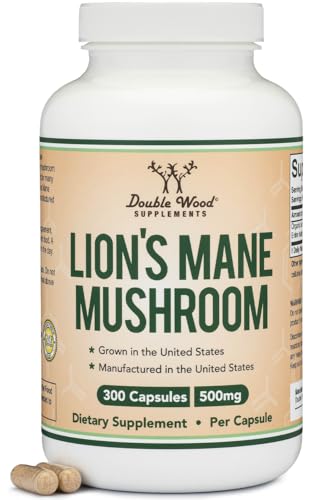
Lion’s mane mushroom is recognized for containing bioactive compounds such as erinacines and hericenones. These compounds are of interest due to their potential to influence nerve growth factor (NGF) synthesis. NGF is a protein that plays a role in the maintenance and survival of neurons. Research into lion’s mane often focuses on its potential to support brain health.
For women in perimenopause, cognitive changes such as ‘brain fog’ or difficulties with memory and focus can be common. This has led to an increased interest in natural compounds that might offer support. While lion’s mane shows promise in preliminary research for its neurotrophic potential, it is crucial to remember that much of this research is still in early stages, and specific benefits for perimenopausal cognitive symptoms require more dedicated study.
What are Nootropics and Nootropic Stacks?
Nootropics are substances that may support cognitive function, including memory, creativity, or motivation. The term ‘nootropic’ was coined to describe compounds that enhance cognition without significant side effects. Many substances, both natural and synthetic, are considered nootropics.
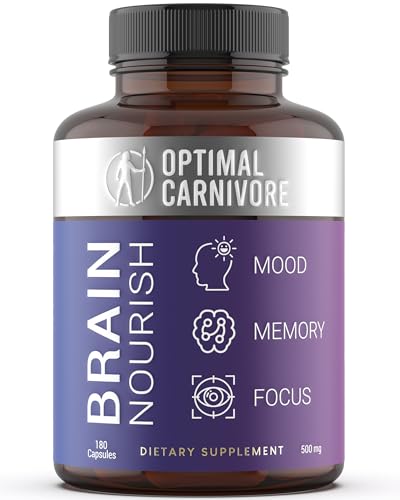
A ‘nootropic stack’ refers to the practice of combining two or more nootropic compounds with the aim of achieving enhanced or synergistic cognitive benefits. The idea behind stacking is that different compounds may work through various mechanisms, and when combined, they could potentially offer a more comprehensive or potent effect than when taken individually. For example, some compounds might support neurotransmitter levels, while others might influence blood flow or cellular energy. However, the concept of synergy in stacks is largely theoretical and often lacks robust clinical evidence, especially for specific populations like perimenopausal women.
The Rationale Behind Stacking Lion’s Mane with Other Nootropics
The rationale for including lion’s mane in a nootropic stack often stems from its distinct potential to support neurotrophic factors. When stacked with other compounds that might target different aspects of brain health, the hypothesis is that a broader range of cognitive support could be achieved. For instance, a stack might combine lion’s mane with a compound believed to support cerebral circulation or one that acts as an antioxidant.
Some narrative reviews suggest that certain phytochemical and fungal bioactive compounds are being explored for potential neurostimulating, neurotrophic, and neuroprotective synergy, which could be relevant to brain health [1]. This theoretical framework, however, does not equate to proven efficacy or safety for specific combinations in humans, particularly within the context of perimenopause. The complexity of brain chemistry means that interactions between multiple compounds can be unpredictable, and more research is needed to understand these dynamics.
Common Nootropics Considered for Stacking
While specific recommendations for perimenopausal women are not established, some nootropics frequently discussed in the context of stacking include: Omega-3 Fatty Acids (EPA and DHA), which are essential fats important for brain structure and function; Creatine, often associated with muscle energy, but also present in the brain and involved in energy metabolism; L-Theanine, an amino acid found in green tea, known for promoting relaxation without drowsiness; and Bacopa Monnieri, an herb traditionally used in Ayurvedic medicine for memory enhancement.
Other compounds sometimes mentioned are Rhodiola Rosea, an adaptogen that may help with stress, and Ginkgo Biloba, often studied for its potential effects on circulation and cognitive function. It’s important to reiterate that combining these with lion’s mane, especially for perimenopausal cognitive support, is an area with very limited specific research. The effects of these combinations have not been rigorously evaluated for safety or efficacy in this population.
Safety Considerations and What We Don’t Know Yet
The primary concern with nootropic stacks, particularly for women in perimenopause, is the lack of specific research on their combined effects, optimal dosages, and potential interactions. While individual compounds may have some safety data, combining them can introduce new variables. There is limited information on how a lion’s mane nootropic stack might interact with hormonal fluctuations during perimenopause or with any medications a woman might be taking.
For example, while some adults who microdose psychedelics report health-related motivations and lower levels of anxiety and depression compared to non-microdosers, this does not relate to lion’s mane or other conventional nootropics and highlights the diverse landscape of substances people explore for mental well-being [2]. It underscores the need for careful, substance-specific research. The evidence for the efficacy and safety of lion’s mane nootropic stacks in perimenopausal women is still very limited, and claims of enhanced benefits are largely theoretical at this stage. It is not known whether specific ratios or combinations of nootropics are more effective or safer for this demographic. Further research is needed to establish clear guidelines and understanding.
References
- Phytochemical and Fungal Bioactive Compounds in the “Brain Health Triad”: A Narrative Review on Neurostimulating, Neurotrophic, and Neuroprotective Synergy. International journal of molecular sciences, 2026
- Adults who microdose psychedelics report health related motivations and lower levels of anxiety and depression compared to non-microdosers. Scientific reports, 2021
These statements have not been evaluated by the Food and Drug Administration. This information is not intended to diagnose, treat, cure, or prevent any disease. Content is for informational purposes only and is not medical advice; consult a qualified healthcare provider before starting any supplement. As an Amazon Associate we earn from qualifying purchases.