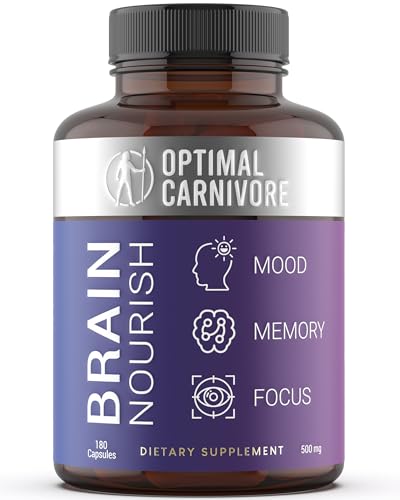
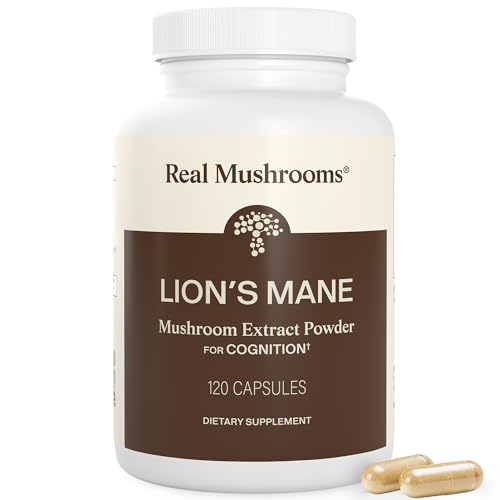
Ready to buy? Check current prices on Amazon and compare deals before you decide.
The subtle, yet disorienting, shift in cognitive function during perimenopause is a familiar experience for many women in their 40s and 50s. Brain fog, memory lapses, and a general feeling of mental sluggishness can disrupt daily life, prompting a search for natural ways to support brain health. Simultaneously, a growing community of biohackers and health enthusiasts are exploring novel compounds that influence neurogenesis and synaptic plasticity.
Amidst this quest for cognitive clarity and enhancement, a unique mushroom, Hericium erinaceus, commonly known as Lion’s Mane, has garnered significant attention. But what exactly is Lion’s Mane, and what does the current scientific landscape say about its potential to support brain health, especially for those navigating perimenopausal cognitive changes or seeking to optimize neurological function?
Please note: This article may contain affiliate links. If you make a purchase through these links, we may earn a small commission at no extra cost to you. This helps support our research and content creation.
What is Lion’s Mane Mushroom? Understanding Hericium erinaceus
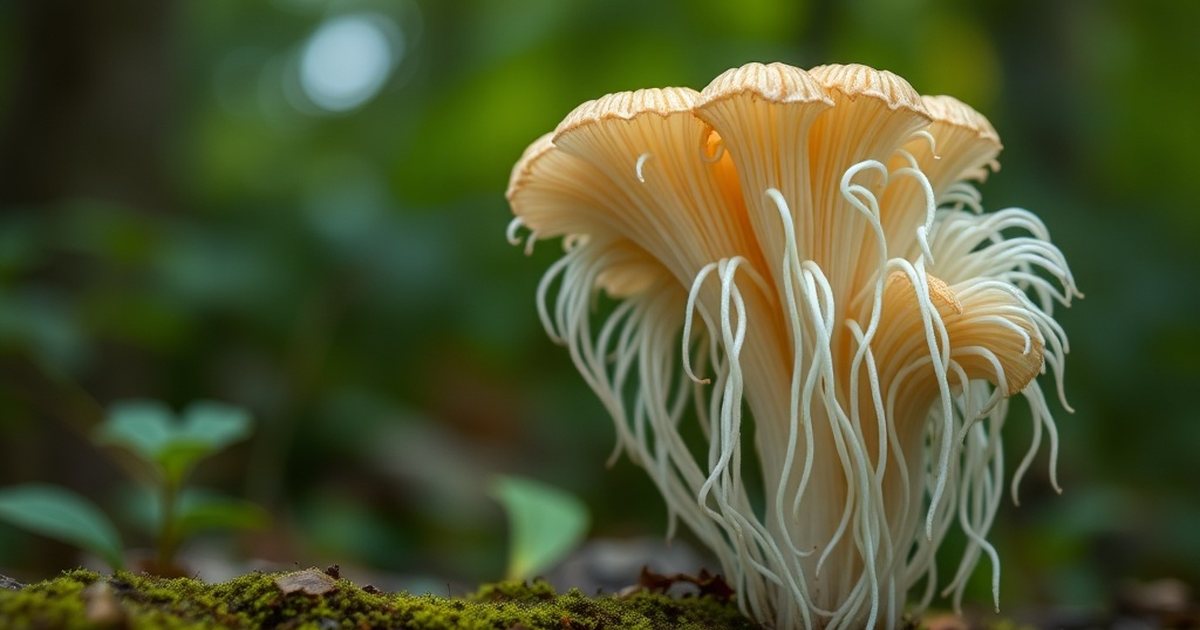
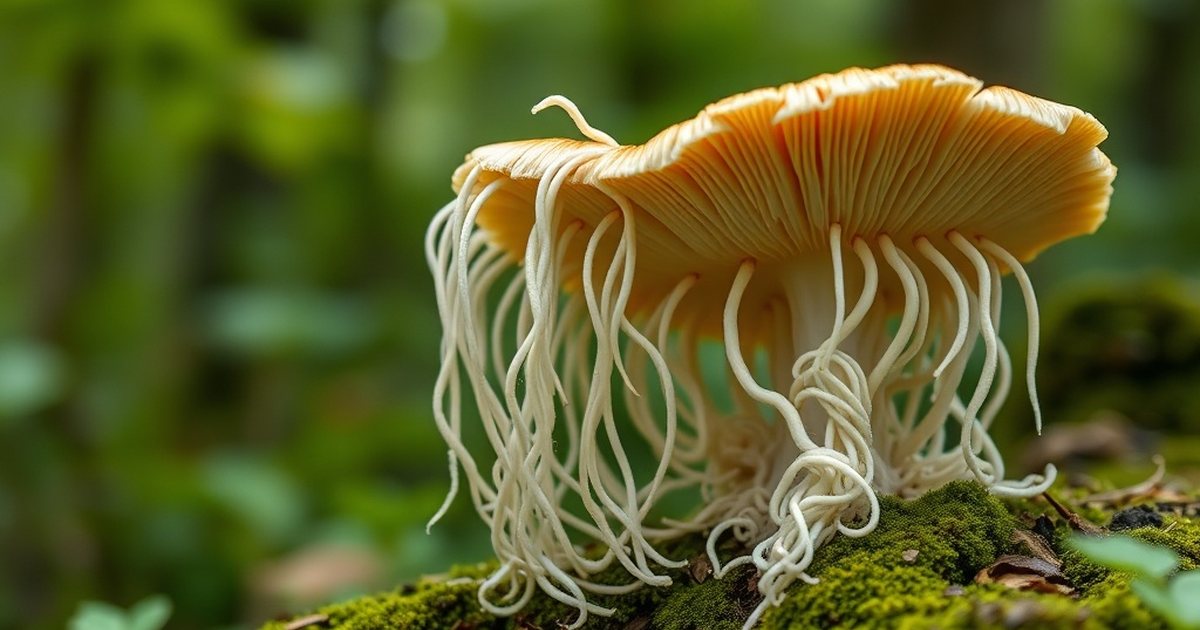
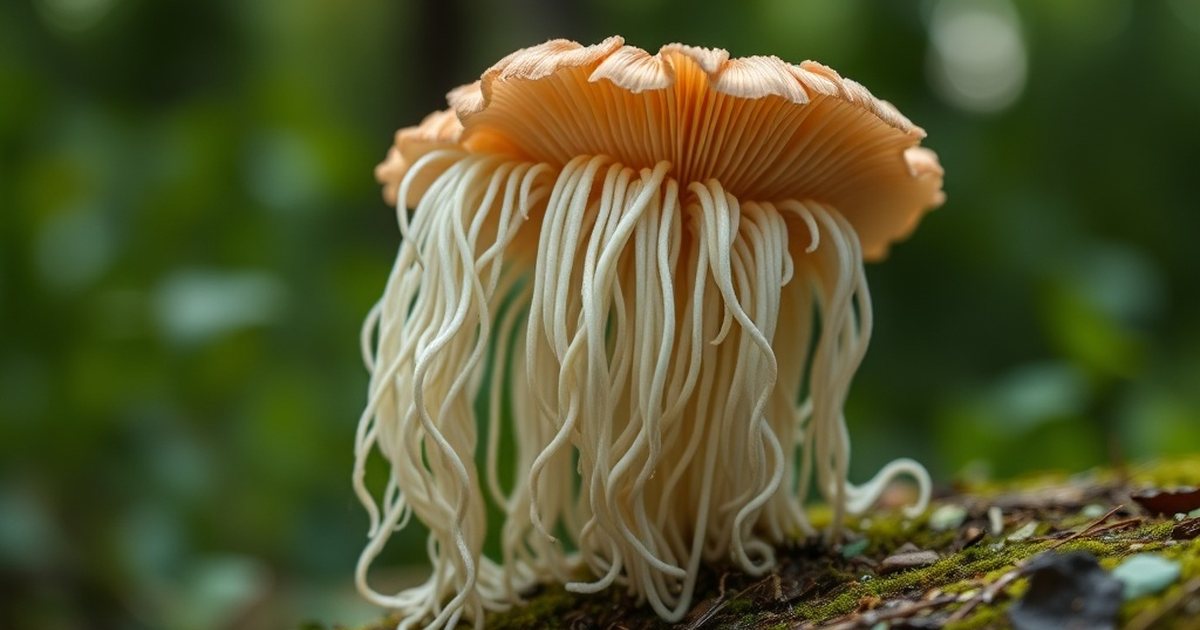
Lion’s Mane (Hericium erinaceus) is an edible and medicinal mushroom native to North America, Europe, and Asia. It is easily recognizable by its cascading, shaggy spines that resemble a lion’s mane, hence its common name.
For centuries, it has been a staple in traditional Eastern medicine, valued for its purported health benefits. Beyond its culinary appeal, modern scientific inquiry has begun to unravel the compounds responsible for its potential therapeutic properties, particularly those related to neurological health.
Key Bioactive Compounds: Hericenones and Erinacines
The primary bioactive compounds identified in Lion’s Mane mushroom are hericenones and erinacines. Hericenones are found predominantly in the fruiting body of the mushroom, while erinacines are mainly isolated from its mycelium (the root-like structure).
These distinct compounds are believed to be crucial to Lion’s Mane’s neurotrophic effects. Their differing chemical structures suggest they may exert their influence through distinct, yet complementary, biochemical pathways within the brain.
The Science Behind Lion’s Mane: NGF and BDNF Pathways
A significant part of the scientific interest in Lion’s Mane stems from its potential to influence nerve growth factors. Specifically, researchers have focused on its interaction with Nerve Growth Factor (NGF) and Brain-Derived Neurotrophic Factor (BDNF) [1].
NGF is a protein that plays a vital role in the growth, maintenance, and survival of neurons. BDNF is another key neurotrophin involved in neuronal survival, growth, and synaptic plasticity, processes essential for learning and memory.
Preclinical Evidence: NGF and Erinacines
Numerous preclinical studies, primarily conducted in vitro (cell cultures) and in vivo (animal models), have investigated the role of Lion’s Mane in NGF synthesis. Erinacines, particularly erinacine A, have shown a remarkable ability to stimulate NGF synthesis in neuronal cells.
This stimulation of NGF is thought to promote neurite outgrowth and myelin sheath formation, potentially supporting nerve repair and regeneration. While these findings are promising, it is important to remember that preclinical results do not always translate directly to human outcomes.
BDNF and Synaptic Plasticity
Beyond NGF, some research suggests Lion’s Mane may also influence BDNF levels and associated pathways. BDNF is critical for long-term potentiation, a cellular mechanism underlying learning and memory.
Supporting BDNF activity could theoretically enhance synaptic plasticity, improving the brain’s ability to adapt and form new connections. Further research is needed to fully characterize Lion’s Mane’s impact on BDNF in human subjects.
Lion’s Mane and Cognitive Function: Human Clinical Trials
While the preclinical data on NGF and BDNF is compelling, the true test of Lion’s Mane’s efficacy lies in human clinical trials. A growing body of research is exploring its effects on various aspects of cognitive function, particularly in aging populations and those experiencing cognitive decline.
Mild Cognitive Impairment and Memory
One of the most frequently cited human studies involved elderly Japanese men and women diagnosed with mild cognitive impairment. Participants who consumed Lion’s Mane powder daily for 16 weeks showed significantly improved cognitive function scores compared to the placebo group.
However, the cognitive benefits observed in this study declined four weeks after the cessation of Lion’s Mane intake. This suggests that continuous supplementation may be necessary to maintain potential cognitive improvements.
Lion’s Mane and Perimenopausal Brain Fog
For women navigating perimenopause, brain fog and cognitive shifts are common complaints. The hormonal fluctuations, particularly declining estrogen levels, are known to impact brain function and neurotransmitter systems.
While direct, large-scale clinical trials specifically on Lion’s Mane for perimenopausal brain fog are still emerging, the existing evidence on general cognitive support offers a theoretical basis for its potential utility. The NGF-stimulating properties of Lion’s Mane could theoretically help mitigate some of the neurological challenges associated with hormonal changes.
A small pilot study involving postmenopausal women found that Lion’s Mane supplementation improved scores on a cognitive function test and reduced symptoms of depression. More robust and targeted research is needed to confirm these findings and establish specific dosing recommendations for this population.
Anxiety and Depression
Beyond direct cognitive enhancement, some studies have explored Lion’s Mane’s impact on mood disorders. A randomized, placebo-controlled trial found that women consuming Lion’s Mane cookies for four weeks reported reduced symptoms of depression and anxiety [2].
This effect might be indirectly linked to improved neural health or its potential anti-inflammatory properties. Further research is warranted to understand the mechanisms and magnitude of these mood-modulating effects.
Safety Profile and Potential Side Effects
Lion’s Mane is generally considered safe for consumption, both as a food and a supplement. It has a long history of traditional use without widespread reports of adverse effects.
In human clinical trials, side effects have been rare and mild, typically limited to digestive upset in sensitive individuals. However, as with any supplement, individual reactions can vary.
Considerations and Contraindications
Individuals with mushroom allergies should avoid Lion’s Mane. There is also limited information regarding its use during pregnancy or breastfeeding, so caution is advised.
While not definitively established, some preclinical research suggests Lion’s Mane might have anticoagulant properties. Individuals on blood-thinning medications should consult their healthcare provider before supplementing with Lion’s Mane.
Choosing a Quality Lion’s Mane Supplement
The quality of Lion’s Mane supplements can vary significantly. To ensure you are getting a product that delivers the potential benefits, consider the following factors:
| Factor | Description |
|---|---|
| Fruiting Body vs. Mycelium | Look for products that specify whether they use the fruiting body, mycelium, or a combination. The fruiting body contains hericenones, and the mycelium contains erinacines. Both contribute to the mushroom’s neurotrophic profile. Some high-quality products offer a blend. |
| Extraction Method | A dual-extraction (hot water and alcohol) is often preferred for fruiting body extracts, as it helps to isolate both water-soluble (polysaccharides) and alcohol-soluble (triterpenes, hericenones) compounds. Mycelium extracts typically use different cultivation and extraction methods to maximize erinacine content. |
| Polysaccharide Content | Many reputable brands will list the percentage of polysaccharides, particularly beta-glucans, which are known for their immune-modulating properties. A higher percentage generally indicates a more potent extract. |
| Third-Party Testing | Look for supplements that have undergone third-party testing for purity, potency, and contaminants (heavy metals, pesticides). This ensures the product label accurately reflects its contents. |
| Organic Certification | Opt for organic certified products to minimize exposure to pesticides and other harmful chemicals. |
When searching for supplements, look for terms like “Lion’s Mane mushroom extract fruiting body,” “Lion’s Mane mushroom mycelium supplement,” or “organic Lion’s Mane supplement.” These search terms will help you find products that align with quality indicators.
Conclusion: The Future of Lion’s Mane Research
Lion’s Mane mushroom is a fascinating natural compound with a growing body of scientific evidence supporting its potential neurotrophic and cognitive benefits. Its ability to influence NGF and BDNF pathways presents an exciting avenue for supporting brain health, particularly for those experiencing age-related cognitive shifts or perimenopausal brain fog.
While preclinical research is robust, more large-scale, placebo-controlled human trials are needed to fully elucidate its efficacy, optimal dosing, and long-term effects across diverse populations. As research continues to advance, Lion’s Mane holds promise as a natural complement to a holistic approach to cognitive well-being.
Frequently Asked Questions About Lion’s Mane
What is the difference between Lion’s Mane fruiting body and mycelium?
The fruiting body is the visible mushroom part and contains compounds called hericenones. The mycelium is the root-like structure and contains erinacines. Both types of compounds are believed to contribute to Lion’s Mane’s neurotrophic effects [3].
How long does it take for Lion’s Mane to work?
The time frame for experiencing benefits can vary. Some human studies have shown cognitive improvements after 16 weeks of consistent supplementation, while mood benefits have been reported in as little as four weeks [4]. Consistency is key.
Can Lion’s Mane help with perimenopausal brain fog?
While specific large-scale studies on perimenopausal brain fog are limited, existing research on general cognitive support and mood enhancement suggests potential benefits. The NGF-stimulating properties of Lion’s Mane may help support neural health during hormonal shifts.
Are there any side effects of taking Lion’s Mane?
Lion’s Mane is generally well-tolerated. Rare and mild side effects, such as digestive upset, have been reported [5]. Individuals with mushroom allergies or those on blood-thinning medication should exercise caution and consult a healthcare professional.
What is the best way to take Lion’s Mane?
Lion’s Mane can be consumed as a culinary mushroom, in teas, or as a supplement in capsule or powder form. For therapeutic purposes, standardized extracts in capsules or powders are often preferred for consistent dosing.
Does Lion’s Mane interact with medications?
While generally safe, there is some preclinical evidence suggesting Lion’s Mane might have anticoagulant properties [6]. If you are taking blood-thinning medications or any other prescription drugs, it is crucial to consult your doctor before starting Lion’s Mane supplementation.
References
- Nerve growth factor-inducing activity of Hericium erinaceus in 1321N1 human astrocytoma cells. Biological & pharmaceutical bulletin, 2008
- Reduction of depression and anxiety by 4 weeks Hericium erinaceus intake. Biomedical research (Tokyo, Japan), 2010
- Neurotrophic properties of the Lion’s mane medicinal mushroom, Hericium erinaceus (Higher Basidiomycetes) from Malaysia. International journal of medicinal mushrooms, 2013
- Improving effects of the mushroom Yamabushitake (Hericium erinaceus) on mild cognitive impairment: a double-blind placebo-controlled clinical trial. Phytotherapy research : PTR, 2009
- Benefits, side effects, and uses of Hericium erinaceus as a supplement: a systematic review. Frontiers in nutrition, 2025
- Haematological, biochemical and histopathological aspects of Hericium erinaceus ingestion in a rodent model: A sub-chronic toxicological assessment. Journal of ethnopharmacology, 2016
These statements have not been evaluated by the FDA. This product is not intended to diagnose, treat, cure, or prevent any disease.
These statements have not been evaluated by the Food and Drug Administration. This information is not intended to diagnose, treat, cure, or prevent any disease. Content is for informational purposes only and is not medical advice; consult a qualified healthcare provider before starting any supplement. As an Amazon Associate we earn from qualifying purchases.