Perimenopause, the transitional phase leading up to menopause, can bring a range of changes, including shifts in mood and increased anxiety for some women [1]. These experiences can significantly impact daily life and overall well-being. Many individuals seek natural approaches to help navigate these challenges.
Lion’s mane mushroom (Hericium erinaceus) has gained attention for its potential health benefits, including its traditional use and some modern research exploring its impact on mood and cognitive function [2]. This article will explore the current evidence regarding lion’s mane and its potential role in managing perimenopausal anxiety, emphasizing an evidence-based perspective.
Understanding Perimenopausal Anxiety
Perimenopause is characterized by fluctuating hormone levels, particularly estrogen, which can influence neurotransmitter systems in the brain responsible for mood regulation [3]. This hormonal fluctuation is a key factor contributing to the mood changes often experienced during this time, including the onset or worsening of anxiety [1].
Beyond hormonal shifts, other factors common in perimenopause can exacerbate anxiety, such as sleep disturbances [4]. The combination of these physiological and lifestyle changes can create a challenging environment for mental well-being, leading many to seek complementary strategies for support [5].
Lion’s Mane: A Brief Overview of its Properties
Lion’s mane mushroom is an edible and medicinal fungus known for its unique appearance and a rich profile of bioactive compounds [2]. These compounds include hericenones and erinacines, which are believed to contribute to its potential neuroactive properties [2].
Traditional medicine systems have long recognized lion’s mane for its various health-promoting attributes. Modern scientific inquiry is now beginning to investigate these traditional uses, focusing on areas such as cognitive function and mood support [6].
Research on Lion’s Mane and Anxiety
Several studies have explored the potential of lion’s mane to influence anxiety levels. One human study involving women experiencing menopausal symptoms found that daily intake of lion’s mane for four weeks led to a reduction in anxiety, as well as depressive symptoms [7]. This suggests a potential benefit for mood during hormonal transitions.
Animal studies also provide insights. Research on mice demonstrated that Hericium erinaceus extract helped reduce anxiety and depressive behaviors, partially by promoting neurogenesis in the hippocampus, a brain region involved in mood and memory [8]. Another animal study indicated that lion’s mane mycelium could ameliorate anxiety induced by continuous sleep disturbance [9], which is a relevant finding given the prevalence of sleep issues during perimenopause [4].
It’s important to note that while these findings are promising, much of the research, particularly human studies, has involved relatively small populations or specific conditions. More extensive research is needed to fully understand the scope and mechanisms of lion’s mane’s effects on perimenopausal anxiety specifically.
How Lion’s Mane May Support Mood
The exact mechanisms by which lion’s mane might support mood and reduce anxiety are still being investigated. However, researchers propose that its bioactive compounds, such as hericenones and erinacines, may stimulate the production of nerve growth factor (NGF) [2]. NGF plays a crucial role in the growth, maintenance, and survival of neurons, which are essential for healthy brain function and mood regulation.
By potentially supporting neuronal health and neurogenesis, lion’s mane may contribute to a more resilient nervous system, which could, in turn, help manage feelings of anxiety. Its potential to impact pathways related to inflammation and oxidative stress, both implicated in mood disorders, is also an area of ongoing research [2].
Integrating Lion’s Mane into a Perimenopausal Wellness Plan
For women navigating perimenopausal anxiety, considering a holistic approach is often beneficial. This may include lifestyle adjustments such as regular exercise, stress-reduction techniques like mindfulness, and a balanced diet. Lion’s mane could be considered as a complementary addition to such a plan.
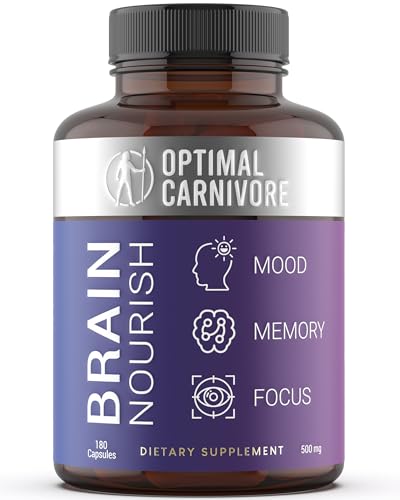
When considering any supplement, including lion’s mane, it’s prudent to select high-quality products from reputable sources. Lion’s mane is generally considered safe, but individual responses can vary [6]. Consulting with a healthcare provider can help ensure that lion’s mane is appropriate for your individual health profile and does not interact with any existing medications or conditions.

References
- Perimenopause and First-Onset Mood Disorders: A Closer Look. Focus (American Psychiatric Publishing), 2021
- Chemistry, Nutrition, and Health-Promoting Properties of Hericium erinaceus (Lion’s Mane) Mushroom Fruiting Bodies and Mycelia and Their Bioactive Compounds. Journal of agricultural and food chemistry, 2015
- Management of perimenopause disorders: hormonal treatment. Gynecological endocrinology : the official journal of the International Society of Gynecological Endocrinology, 2021
- Sleep Disturbance and Perimenopause: A Narrative Review. Journal of clinical medicine, 2025
- Management of the Perimenopause. Clinical obstetrics and gynecology, 2018
- Benefits, side effects, and uses of Hericium erinaceus as a supplement: a systematic review. Frontiers in nutrition, 2025
- Reduction of depression and anxiety by 4 weeks Hericium erinaceus intake. Biomedical research (Tokyo, Japan), 2010
- Hericium erinaceus Extract Reduces Anxiety and Depressive Behaviors by Promoting Hippocampal Neurogenesis in the Adult Mouse Brain. Journal of medicinal food, 2018
- Hericium erinaceus mycelium ameliorate anxiety induced by continuous sleep disturbance in vivo. BMC complementary medicine and therapies, 2021
These statements have not been evaluated by the Food and Drug Administration. This information is not intended to diagnose, treat, cure, or prevent any disease. Content is for informational purposes only and is not medical advice; consult a qualified healthcare provider before starting any supplement. As an Amazon Associate we earn from qualifying purchases.