Ready to buy? Check current prices on Amazon and compare deals before you decide.
The journey through perimenopause often brings with it an unwelcome companion: brain fog. That sharp memory or quick wit you once relied on can feel elusive, replaced by a frustrating haziness that impacts everything from daily tasks to complex problem-solving. For many women aged 40-55, this cognitive shift isn’t just an inconvenience; it’s a significant concern that prompts a search for natural, evidence-backed solutions.
Simultaneously, a growing community of biohackers and health enthusiasts is keenly focused on optimizing brain function, exploring compounds that influence neurogenesis and synaptic plasticity. One natural compound that frequently surfaces in these discussions, lauded for its potential to support cognitive health and nerve regeneration, is the Lion’s Mane mushroom, Hericium erinaceus. But beyond the buzz, what does the scientific literature actually reveal about its benefits?
FTC Disclosure: This article may contain affiliate links. If you make a purchase through these links, LionsManeHub may earn a commission at no extra cost to you. We only recommend products we believe are beneficial and align with our editorial standards.
Lion’s Mane Benefits: What the Research Actually Shows (2026)
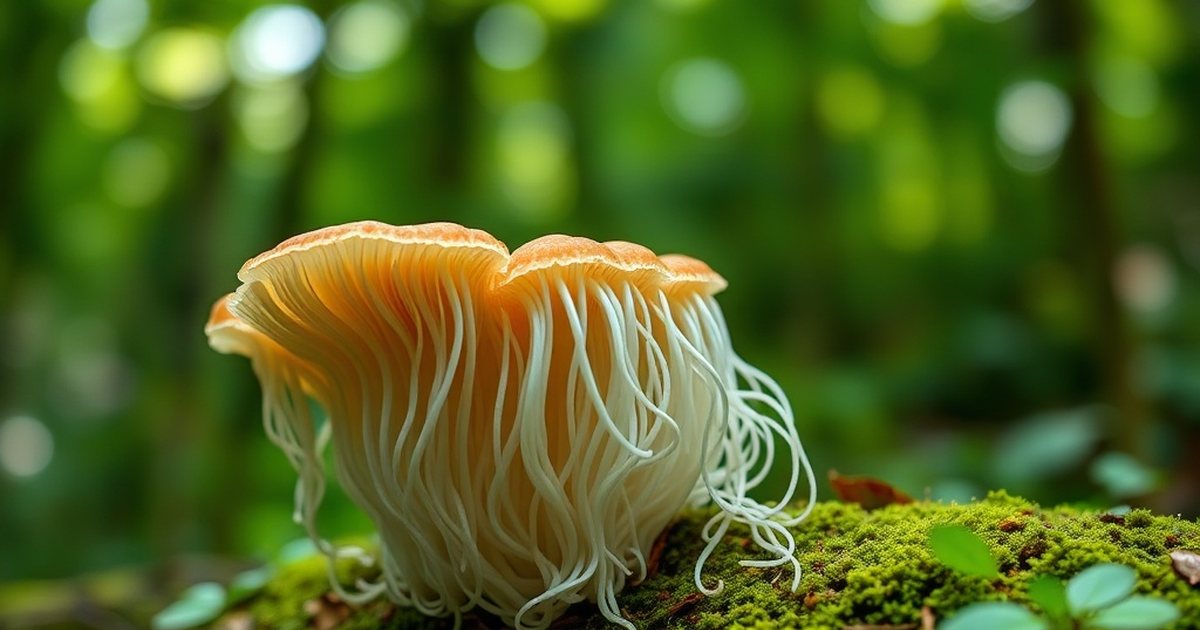
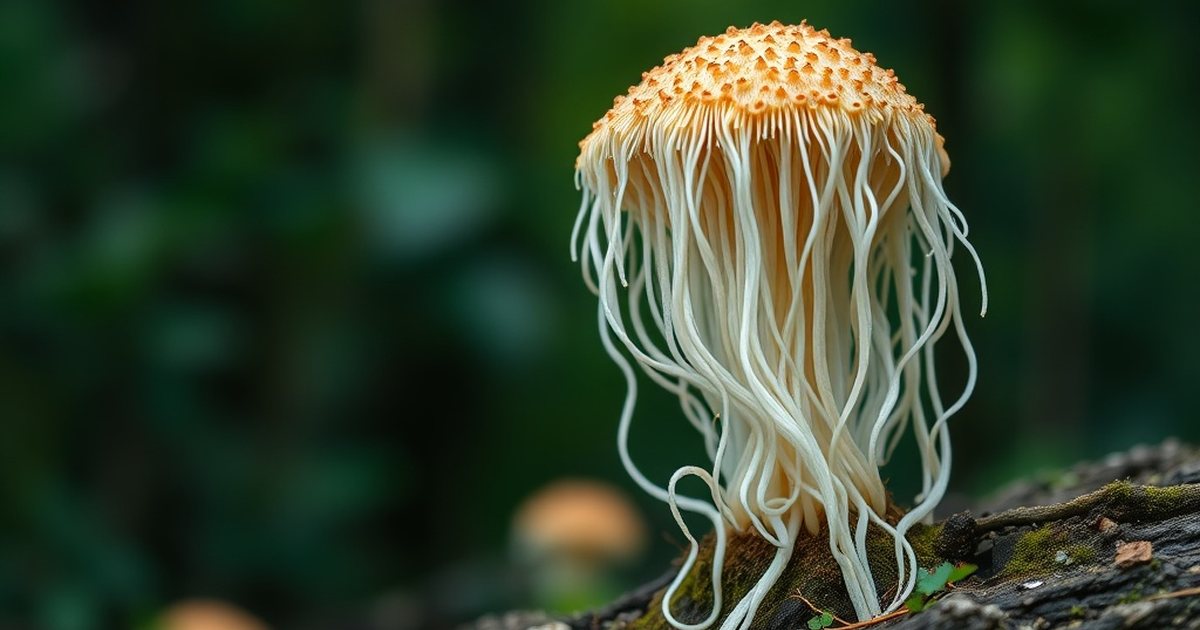
In 2026, the scientific understanding of Hericium erinaceus continues to evolve, with an increasing body of research exploring its neurotrophic properties. This unique mushroom, recognizable by its cascading, shaggy appearance, contains bioactive compounds that have shown promise in preclinical and human studies.
The Core Mechanism: NGF and BDNF Support
At the heart of Lion’s Mane’s purported cognitive benefits lies its interaction with neurotrophic factors. Specifically, two key compounds found in Hericium erinaceus, hericenones and erinacines, are thought to stimulate the synthesis of Nerve Growth Factor (NGF) and Brain-Derived Neurotrophic Factor (BDNF).
NGF is a protein crucial for the growth, maintenance, and survival of neurons, particularly in the central and peripheral nervous systems. Preclinical studies, often conducted in vitro or on animal models, have consistently demonstrated that Lion’s Mane extracts can upregulate NGF production [1].
BDNF, another vital neurotrophin, plays a significant role in synaptic plasticity, neuronal survival, and learning and memory processes. While direct human evidence of Lion’s Mane increasing BDNF is still emerging, the established link between NGF and BDNF pathways suggests a potential indirect influence.
Addressing Brain Fog and Cognitive Shifts in Perimenopause
The cognitive changes experienced during perimenopause, often described as “brain fog,” can manifest as difficulties with memory, concentration, and executive function. These shifts are believed to be linked to fluctuating hormone levels, particularly estrogen, which has neuroprotective roles.
While direct human trials specifically on perimenopausal brain fog and Lion’s Mane are still limited, existing human studies on general cognitive function offer promising insights. A notable 2008 placebo-controlled study involving Japanese men and women aged 50 to 80 with mild cognitive impairment showed significant improvements in cognitive function test scores after 16 weeks of Lion’s Mane supplementation [2].
Further research in 2020 on older adults with mild cognitive impairment also reported improvements in cognitive performance, though these effects were observed to diminish after cessation of supplementation. These findings suggest that consistent intake might be necessary to maintain potential benefits.
The proposed mechanism through NGF and BDNF could theoretically support neuronal health and connectivity, potentially mitigating some of the cognitive decline associated with hormonal fluctuations. However, more targeted research on perimenopausal women is needed to establish a direct causal link.
Neuroprotection and Nerve Regeneration
Beyond general cognitive enhancement, the potential for Lion’s Mane to support nerve regeneration and neuroprotection is a significant area of research. Preclinical studies have explored its effects on damaged nerve cells, showing promising results in accelerating nerve repair.
For instance, animal models of nerve injury have demonstrated that Lion’s Mane extract can promote the regrowth of nerve fibers and functional recovery. This regenerative capacity is largely attributed to its ability to stimulate NGF synthesis, which is critical for peripheral nerve repair.
While these findings are compelling in a laboratory setting, translating them directly to human clinical applications for severe nerve damage is a complex process. The research indicates a potential for supportive roles in nerve health, rather than a definitive cure for neurological conditions.
Mood and Stress Support
Cognitive function is intricately linked with mood and stress levels. Perimenopause itself can bring increased anxiety and mood swings, further exacerbating feelings of brain fog. Some research suggests Lion’s Mane may offer benefits in these areas as well.
A small 2010 Japanese study involving women experiencing menopausal symptoms, including anxiety and irritation, found that consuming Lion’s Mane cookies for four weeks led to reduced feelings of irritation and anxiety compared to a placebo group. This suggests a potential adaptogenic or mood-modulating effect.
The proposed mechanisms for these mood benefits often relate to its anti-inflammatory properties and its potential influence on neurotransmitter systems. Reducing systemic inflammation and supporting neuronal health can indirectly contribute to improved mood and stress resilience.
Comparing Lion’s Mane to Other Natural Nootropics
When considering natural compounds for cognitive support, Lion’s Mane stands alongside several other well-researched options. Each offers unique mechanisms and potential benefits.
| Compound | Primary Mechanism(s) | Key Benefits (Evidence Level) |
|---|---|---|
| Lion’s Mane (Hericium erinaceus) | Stimulates NGF & BDNF synthesis (hericenones, erinacines) | Cognitive enhancement, nerve regeneration (Preclinical, some human) |
| Ginkgo Biloba | Increases blood flow to the brain, antioxidant | Memory, attention, circulation (Moderate human evidence) |
| Bacopa Monnieri | Modulates neurotransmitters (serotonin, acetylcholine), antioxidant | Memory recall, stress reduction (Strong human evidence) |
| Rhodiola Rosea | Adaptogenic, reduces fatigue, balances neurotransmitters | Stress reduction, endurance, focus (Moderate human evidence) |
| Creatine | Increases ATP production in brain, supports energy metabolism | Short-term memory, reasoning, mental fatigue (Moderate human evidence) |

Choosing a Lion’s Mane Supplement: What to Look For
The quality of Lion’s Mane supplements can vary significantly. To ensure you are getting a product with the bioactive compounds responsible for its potential benefits, it’s crucial to be an informed consumer.
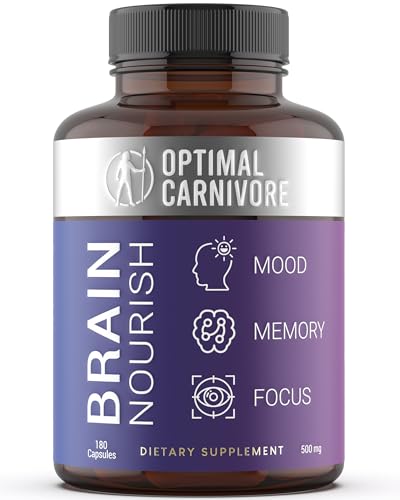
When searching for a Lion’s Mane supplement, prioritize products that clearly state the type of extract. Look for supplements derived from the fruiting body, as this part of the mushroom is generally richer in hericenones. Some products also include mycelium, which is the root-like structure, known to contain erinacines. A full-spectrum product that includes both can offer a broader range of beneficial compounds.

Additionally, look for supplements that specify an extraction method, such as hot water or dual extraction. These methods are designed to make the beneficial compounds bioavailable. Reputable brands will often provide third-party testing for purity and potency, ensuring the product is free from contaminants and contains the stated amount of active ingredients.
You can search for terms like “Lion’s Mane mushroom fruiting body extract,” “dual extract Lion’s Mane,” or “organic Lion’s Mane capsules” to find high-quality options.
Conclusion
The research on Lion’s Mane mushroom, Hericium erinaceus, continues to build a compelling case for its potential as a cognitive and neurological support agent. Its unique ability to stimulate NGF and BDNF production provides a robust mechanistic explanation for many of its observed benefits, from enhancing general cognitive function to supporting nerve regeneration.
For women navigating the cognitive shifts of perimenopause and for biohackers seeking to optimize brain health, Lion’s Mane offers a promising natural avenue. While human clinical trials, particularly those focused on specific populations like perimenopausal women, are still expanding, the existing evidence provides a strong foundation for its use.
As with any supplement, consistency and quality are key. Consulting with a healthcare professional before adding new supplements to your regimen is always recommended, especially if you have underlying health conditions or are taking other medications.
Frequently Asked Questions (FAQ)
What is Lion’s Mane mushroom?
Lion’s Mane, or Hericium erinaceus, is an edible medicinal mushroom known for its unique appearance resembling a white, shaggy mane. It has been used in traditional Eastern medicine for centuries and is now studied for its neurotrophic and cognitive benefits.
How does Lion’s Mane help with brain fog?
Lion’s Mane contains compounds called hericenones and erinacines that are believed to stimulate the production of Nerve Growth Factor (NGF) and Brain-Derived Neurotrophic Factor (BDNF). These neurotrophins support the growth, maintenance, and repair of brain cells, potentially improving memory, focus, and overall cognitive clarity.
Is Lion’s Mane safe for long-term use?
Lion’s Mane is generally considered safe, with few reported side effects. Most studies have shown it to be well-tolerated. However, long-term safety data from extensive human trials is still accumulating. It’s always advisable to consult with a healthcare provider for personalized advice.
How long does it take to see benefits from Lion’s Mane?
The timeframe for experiencing benefits can vary. Some human studies have observed cognitive improvements after 8 to 16 weeks of consistent supplementation. Individual results may depend on dosage, product quality, and individual physiology.
Can Lion’s Mane help with perimenopausal symptoms beyond brain fog?
While the primary research focus is on cognitive benefits, some studies suggest Lion’s Mane may also help alleviate symptoms like irritation and anxiety, which are common during perimenopause. This potential mood support could be an additional benefit.
What is the difference between fruiting body and mycelium extracts?
The fruiting body is the visible mushroom part and is rich in hericenones. Mycelium is the root-like network and contains erinacines. Both compounds are implicated in NGF stimulation, so a supplement containing both or a dual extract may offer a broader spectrum of benefits.
These statements have not been evaluated by the FDA. This product is not intended to diagnose, treat, cure, or prevent any disease.
References
- Nerve growth factor-inducing activity of Hericium erinaceus in 1321N1 human astrocytoma cells. Biological & pharmaceutical bulletin, 2008
- Improving effects of the mushroom Yamabushitake (Hericium erinaceus) on mild cognitive impairment: a double-blind placebo-controlled clinical trial. Phytotherapy research : PTR, 2009
These statements have not been evaluated by the Food and Drug Administration. This information is not intended to diagnose, treat, cure, or prevent any disease. Content is for informational purposes only and is not medical advice; consult a qualified healthcare provider before starting any supplement. As an Amazon Associate we earn from qualifying purchases.