Lion’s mane mushroom (Hericium erinaceus) has gained attention for its potential benefits, particularly in areas related to cognitive function and overall well-being. As women navigate midlife and menopause, they often seek natural approaches to support their health.
While research on lion’s mane continues to evolve, understanding any potential lion’s mane side effects is an important step before considering its use. This article will explore what the available evidence suggests regarding the safety and tolerability of this mushroom.
What Does Research Indicate About Lion’s Mane Safety?
A systematic review has explored the benefits, side effects, and uses of Hericium erinaceus as a supplement [1]. This type of review gathers and analyzes existing research to provide a broader picture of a compound’s profile.
In clinical trials, lion’s mane has been studied for its potential effects on mild cognitive impairment. For instance, a double-blind, placebo-controlled clinical trial observed improving effects of lion’s mane over a 16-week period [2]. During such trials, researchers carefully monitor participants for any adverse reactions, contributing to our understanding of a substance’s safety profile.
Another systematic review and meta-analysis focused on the effects of fungal supplementation, including Hericium erinaceus, on various physiological markers in adult athletes. This review also contributes to the body of knowledge regarding the general tolerability of such supplements [3].

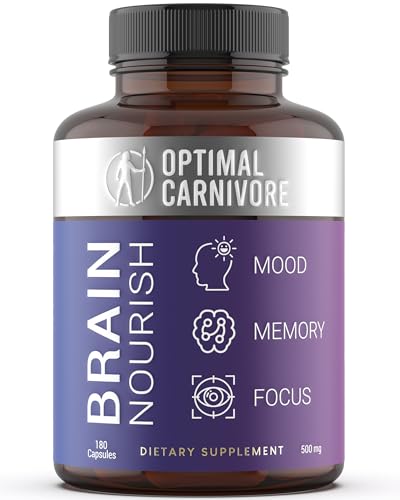
Commonly Reported Lion’s Mane Side Effects (or Lack Thereof)
When examining the existing research on lion’s mane, reports of significant or widespread adverse effects are not commonly highlighted. For example, in the 16-week double-blind, placebo-controlled clinical trial investigating mild cognitive impairment, the mushroom was observed to have improving effects [2]. The publication of such studies typically includes any notable side effects observed in the participant groups, if they occur.
Many studies focus on the potential positive impacts of lion’s mane. For instance, research has explored its neuroprotective effects in various models, including against scopolamine-induced symptoms in male rats [4] and against high-dose corticosterone-induced oxidative stress in PC-12 cells [5]. Other research has investigated its effects on amyloid β(25-35) peptide-induced learning and memory deficits in mice [6] and its ameliorating effects on intestinal barrier injury in immunocompromised mice [7]. The primary focus of these studies has been on potential benefits, with no prominent reporting of adverse events in the summaries available.
The absence of extensive reporting of severe side effects in published research often suggests a generally well-tolerated profile, especially in the context of the dosages and durations studied. However, this does not mean that individual reactions are impossible.
Individual Sensitivities and Allergic Reactions
While lion’s mane is generally considered well-tolerated, as with any food or supplement, individual sensitivities or allergic reactions are possible. Some individuals may experience mild digestive upset, such as stomach discomfort or bloating, especially when first introducing a new supplement. These types of reactions are not unique to lion’s mane and can occur with many dietary changes.
People with known mushroom allergies should exercise caution or avoid lion’s mane entirely. Allergic reactions can range from mild skin rashes to more severe symptoms, though these are rare. If you have a history of allergies, particularly to fungi, it is prudent to consult with a healthcare professional before considering lion’s mane.
It’s important to start with a lower dose to assess individual tolerance and gradually increase as desired, while observing for any unusual reactions. This approach allows the body to adjust and helps identify any potential sensitivities early on.
Considerations for Women in Midlife and Menopause
Women navigating midlife and menopause may be taking various medications or managing existing health conditions. It’s always important to consider how any new supplement might interact with current health regimens. No human trial has tested lion’s mane against a specific prescription medication, so this general caution applies as it would to any dietary supplement. There is, however, one relevant laboratory finding worth knowing. An ethanol extract of Hericium erinaceus was found to inhibit collagen-induced platelet aggregation, an effect traced to the compound hericenone B and confirmed in human platelets [8]. A separate in vitro screen of hot water extracts from eight edible mushroom species, including lion’s mane, found no change in prothrombin time, prothrombin ratio or INR [9]. Anyone taking a blood thinner or antiplatelet drug should raise lion’s mane with their prescriber rather than read the absence of trials as the absence of risk.
The bioactives of lion’s mane, such as those targeting the PPAR signaling pathway, are being investigated [10]. While this research points to potential mechanisms of action, it also underscores the complexity of how the mushroom may influence bodily systems. Women in midlife should discuss any new supplement with their healthcare provider, particularly if they are taking prescription medications or have chronic health concerns.
Auxiliary antitumor effects of fungal proteins from Hericium erinaceus by targeting gut microbiota have also been explored [11]. This research suggests interactions within the body that, while potentially beneficial, highlight the need for a comprehensive health perspective when incorporating new dietary components.
References
- Benefits, side effects, and uses of Hericium erinaceus as a supplement: a systematic review. Frontiers in nutrition, 2025
- Improving effects of the mushroom Yamabushitake (Hericium erinaceus) on mild cognitive impairment: a double-blind placebo-controlled clinical trial. Phytotherapy research : PTR, 2009
- Effects of fungal supplementation on endurance, immune function, and hematological profiles in adult athletes: a systematic review and meta-analysis. Frontiers in nutrition, 2025
- Neuroprotective Effects of Dehydroepiandrosterone and Hericium erinaceus in Scopolamine-induced Alzheimer’s Diseases-like Symptoms in Male Rats. Cell biochemistry and biophysics, 2024
- Neuroprotective effects of Hericium erinaceus (Bull.: Fr.) Pers. against high-dose corticosterone-induced oxidative stress in PC-12 cells. BMC complementary medicine and therapies, 2020
- Effects of Hericium erinaceus on amyloid β(25-35) peptide-induced learning and memory deficits in mice. Biomedical research (Tokyo, Japan), 2011
- Ameliorating effects of Hericium erinaceus polysaccharides on intestinal barrier injury in immunocompromised mice induced by cyclophosphamide. Food & function, 2023
- Inhibitory effect of hericenone B from Hericium erinaceus on collagen-induced platelet aggregation. Phytomedicine : international journal of phytotherapy and phytopharmacology, 2010
- The Effect of Mushroom Extracts on Human Platelet and Blood Coagulation: In vitro Screening of Eight Edible Species. Nutrients, 2019
- Bioactives of Lion’s Mane Medicinal Mushroom Hericium erinaceus (Agaricomycetes) Targeting PPAR Signaling Pathway: An Experimental and In Silico Investigation. International journal of medicinal mushrooms, 2026
- Auxiliary antitumor effects of fungal proteins from Hericium erinaceus by target on the gut microbiota. Journal of food science, 2020
These statements have not been evaluated by the Food and Drug Administration. This information is not intended to diagnose, treat, cure, or prevent any disease. Content is for informational purposes only and is not medical advice; consult a qualified healthcare provider before starting any supplement. As an Amazon Associate we earn from qualifying purchases.