The gentle hum of daily life can suddenly feel like a discordant clang when brain fog descends. For women navigating perimenopause, this cognitive haze, coupled with shifts in memory and focus, is a frustrating reality. Many are seeking natural avenues to support their brain health, and one mushroom, Hericium erinaceus, commonly known as Lion’s Mane, has garnered significant attention for its potential neurotrophic properties.
As we move into 2026, the market for Lion’s Mane supplements is more saturated than ever. Choosing the right one amidst a sea of claims can be daunting. This guide aims to cut through the noise, offering an evidence-based approach to understanding and selecting the best Lion’s Mane supplements, particularly for those looking to support cognitive function during perimenopause and for biohackers interested in Nerve Growth Factor (NGF) and Brain-Derived Neurotrophic Factor (BDNF) mechanisms.
FTC Disclosure: Please note that this article contains affiliate links. If you make a purchase through these links, LionsManeHub may earn a commission at no extra cost to you. This helps support our research and content creation.
Understanding Lion’s Mane: The Science Behind the Mushroom
Lion’s Mane mushroom is an edible and medicinal fungus recognized for its unique appearance and its bioactive compounds. The primary compounds of interest are hericenones, found in the fruiting body, and erinacines, found in the mycelium[1]. These compounds are believed to be responsible for many of the mushroom’s purported benefits.
The excitement around Lion’s Mane largely stems from its potential to influence neurotrophic factors. Preclinical studies, primarily in cell cultures and animal models, suggest that hericenones and erinacines may stimulate the synthesis of Nerve Growth Factor (NGF)[2][3]. NGF plays a crucial role in the maintenance, survival, and regeneration of neurons in both the central and peripheral nervous systems. This mechanism has led to significant interest in Lion’s Mane for supporting brain health.
Beyond NGF, some research indicates Lion’s Mane may also modulate Brain-Derived Neurotrophic Factor (BDNF)[4]. BDNF is another vital neurotrophin involved in neuronal growth, differentiation, and synaptic plasticity. While these findings are promising, it is important to emphasize that most of this research is still in preclinical stages, and human studies are ongoing to confirm these effects in vivo.
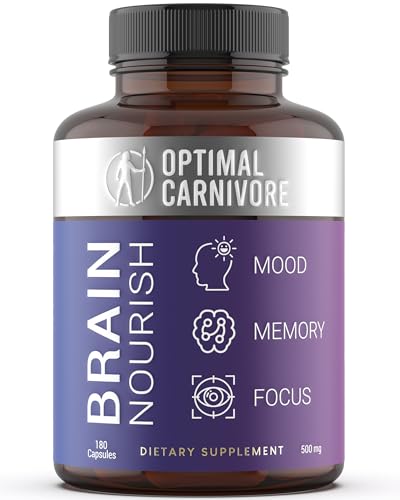
Lion’s Mane and Perimenopausal Cognitive Shifts
Perimenopause is characterized by fluctuating hormone levels, particularly estrogen, which has significant roles in brain function. Many women report experiencing “brain fog,” memory lapses, and reduced mental clarity during this transitional period. These cognitive changes can be distressing and impact daily life.
Given the preclinical evidence for Lion’s Mane’s neurotrophic potential, it has become a subject of interest for supporting cognitive function during perimenopause. The hypothesis is that by potentially enhancing NGF and BDNF, Lion’s Mane could help mitigate some of the neuronal changes or support neural health impacted by hormonal fluctuations. However, direct human clinical trials specifically on Lion’s Mane for perimenopausal cognitive issues are still limited. The existing human studies on general cognitive improvement offer some encouraging, albeit preliminary, insights.
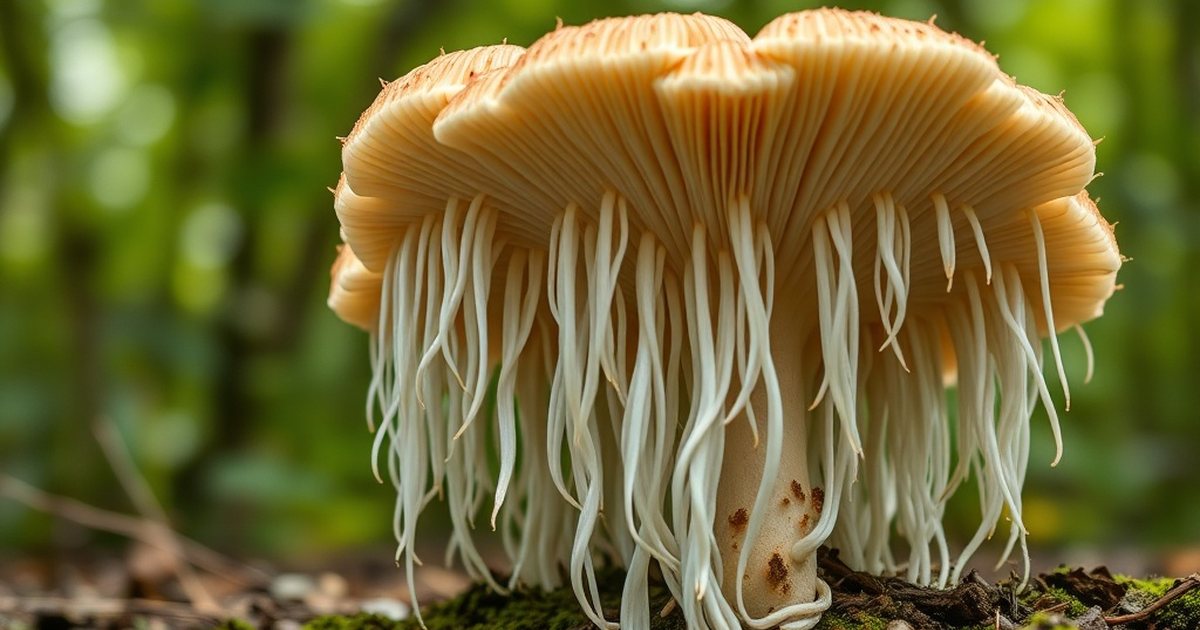
One human study involving older adults with mild cognitive impairment showed that daily consumption of Lion’s Mane powder led to significant improvements in cognitive function scores compared to a placebo group[5]. Another study indicated that Lion’s Mane consumption could improve mood and sleep quality[6], which are often interconnected with cognitive well-being. While these studies did not specifically target perimenopausal women, their findings provide a foundation for further investigation into Lion’s Mane’s potential benefits for this demographic.
Key Factors for Ranking Lion’s Mane Supplements
When evaluating Lion’s Mane supplements, several critical factors determine their quality and potential efficacy. Understanding these elements is essential for making an informed choice.
Fruiting Body vs. Mycelium
This is arguably the most crucial distinction. The fruiting body is the visible mushroom part, rich in hericenones. The mycelium is the root-like structure, cultivated on grain substrates, and contains erinacines. Both have bioactive compounds, but their concentrations and types differ.
Many supplements contain mycelium grown on grain, which can mean the final product contains a significant amount of the grain substrate itself, diluting the active compounds. High-quality supplements prioritize fruiting body extracts or pure mycelial biomass grown without excessive grain.
Extraction Method
To make the beneficial compounds bioavailable, Lion’s Mane must be extracted. Hot water extraction is common for polysaccharides (like beta-glucans), while dual extraction (hot water and alcohol) is often used to capture a broader spectrum of compounds, including triterpenes and hericenones/erinacines. A dual extract is generally preferred for comprehensive benefits.
Beta-Glucan Content
Beta-glucans are polysaccharides known for their immune-modulating properties. While not directly responsible for NGF stimulation, they are a marker of a quality mushroom product. Reputable brands will often list the percentage of beta-glucans, typically aiming for 20% or higher.
Third-Party Testing
Independent third-party testing verifies the purity, potency, and absence of contaminants (heavy metals, pesticides, microbes). This is a non-negotiable factor for ensuring product safety and accuracy of claims.
Transparency and Sourcing
Brands that are transparent about their sourcing, cultivation methods, and manufacturing processes tend to be more trustworthy. Look for information on where the mushrooms are grown and how they are processed.
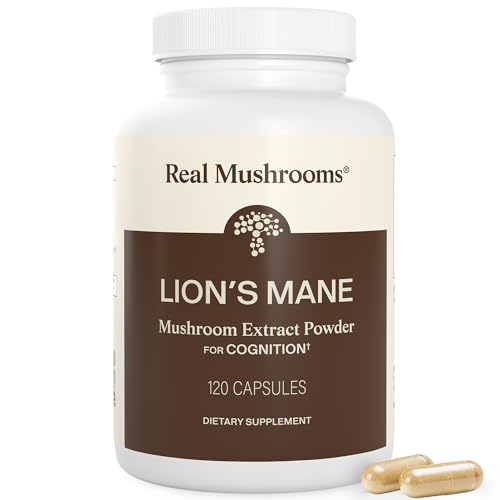
Lion’s Mane Supplement Comparison: What to Look For
To help illustrate the key differences, here is a comparison of what you might find on the market and what constitutes a higher-quality product.
| Feature | Lower Quality Supplement (Often Cheaper) | Higher Quality Supplement (Recommended) |
|---|---|---|
| Primary Ingredient | Mycelium on grain (e.g., “mycelial biomass”) | 100% Fruiting Body or Pure Mycelium (grain-free) |
| Active Compounds | Lower concentration of hericenones/erinacines; high starch content from grain. | Standardized for hericenones/erinacines; minimum 20-30% beta-glucans. |
| Extraction Method | Simple hot water extract or just dried powder. | Dual extraction (hot water + alcohol) for full spectrum. |
| Testing & Transparency | No third-party testing; vague sourcing. | Verified third-party testing (heavy metals, microbes); transparent sourcing. |
| Formulation | Often just powder or basic capsules. | Capsules, tinctures, or powders with clear dosage instructions. |
Amazon Affiliate Section: What to Search For
When searching for Lion’s Mane supplements on platforms like Amazon, it is crucial to use specific search terms to filter for higher-quality products. Avoid simply typing “Lion’s Mane” and instead focus your queries. Remember to always read product descriptions carefully and check for the factors mentioned above.

Consider searching for: Lion’s Mane fruiting body extract. This helps prioritize products made from the actual mushroom, not just the mycelium on grain. Look for brands that explicitly state “100% fruiting body” in their descriptions.
Another effective search term is: Lion’s Mane dual extract standardized. A dual extraction process ensures a broader range of beneficial compounds, including both water-soluble polysaccharides and alcohol-soluble triterpenes and hericenones/erinacines. “Standardized” indicates the product has a guaranteed amount of active compounds, such as beta-glucans.
For those prioritizing potency and purity, try searching for: Lion’s Mane high beta glucan content. While beta-glucans are not the sole measure of quality, a high percentage (e.g., 20% or more) is a good indicator of a well-processed mushroom extract. Ensure the product also mentions its source (fruiting body or pure mycelium) alongside beta-glucans.
Dosage and Consumption Considerations
Optimal dosage for Lion’s Mane can vary significantly depending on the concentration of the extract and individual needs. Most human studies showing cognitive benefits have used dosages ranging from 500 mg to 3000 mg of extract per day. It is always best to follow the manufacturer’s recommendations on the product label, especially when starting a new supplement.
Lion’s Mane can be consumed in various forms: capsules, powders, tinctures, or even as part of functional foods like coffee blends. Capsules offer convenience and precise dosing. Powders provide flexibility for adding to smoothies or other beverages. Tinctures are highly concentrated and offer rapid absorption.
Consistency is key when taking Lion’s Mane. Neurotrophic effects, if present, are likely to build over time, so regular daily intake for several weeks or months may be necessary to observe potential benefits. While generally well-tolerated, some individuals might experience mild digestive upset. If you have any underlying health conditions or are taking medications, consult with a healthcare professional before incorporating Lion’s Mane into your routine.
Conclusion: Navigating the Lion’s Mane Landscape
Lion’s Mane mushroom holds considerable promise for brain health, particularly with its potential to influence NGF and BDNF. For women experiencing perimenopausal cognitive shifts and biohackers exploring neurotrophic support, the allure is strong. However, the efficacy of a supplement hinges entirely on its quality.
As the market continues to evolve in 2026, prioritizing supplements made from 100% fruiting body, utilizing dual extraction, with transparent third-party testing and clear standardization for active compounds like beta-glucans, remains paramount. By understanding these critical factors, you can make an informed decision and select a Lion’s Mane product that offers the best chance of supporting your cognitive well-being.
These statements have not been evaluated by the FDA. This product is not intended to diagnose, treat, cure, or prevent any disease.
FAQ: Your Questions About Lion’s Mane Answered
References
- Chemistry and bioactivities of erinacines from Hericium fungi. Journal of natural medicines, 2026
- Nerve growth factor-inducing activity of Hericium erinaceus in 1321N1 human astrocytoma cells. Biological & pharmaceutical bulletin, 2008
- Chemical constituents from Hericium erinaceus and their ability to stimulate NGF-mediated neurite outgrowth on PC12 cells. Bioorganic & medicinal chemistry letters, 2015
- Erinacine A-Enriched Hericium erinaceus Mycelium Produces Antidepressant-Like Effects through Modulating BDNF/PI3K/Akt/GSK-3β Signaling in Mice. International journal of molecular sciences, 2018
- Improving effects of the mushroom Yamabushitake (Hericium erinaceus) on mild cognitive impairment: a double-blind placebo-controlled clinical trial. Phytotherapy research : PTR, 2009
- Hericium erinaceus Improves Mood and Sleep Disorders in Patients Affected by Overweight or Obesity. Evidence-based complementary and alternative medicine : eCAM, 2019
These statements have not been evaluated by the Food and Drug Administration. This information is not intended to diagnose, treat, cure, or prevent any disease. Content is for informational purposes only and is not medical advice; consult a qualified healthcare provider before starting any supplement. As an Amazon Associate we earn from qualifying purchases.