As women navigate midlife and menopause, changes in cognitive function, including memory and focus, can become a common concern. Many seek natural approaches to support their brain health during this time. Lion’s mane mushroom (Hericium erinaceus) has gained attention for its potential in this area.
This article examines what current scientific research indicates about lion’s mane mushroom’s effects on memory and focus. We’ll explore the findings from available studies to provide an evidence-based overview, helping you understand the potential and limitations.
Understanding Cognitive Changes in Midlife and Menopause
Midlife and the menopausal transition often bring shifts in cognitive abilities. Women may report experiencing ‘brain fog,’ difficulties with word recall, or challenges maintaining concentration. These changes are often attributed to fluctuating hormone levels, particularly estrogen, which plays a role in brain function.
Supporting brain health during this period involves a holistic approach, including diet, exercise, stress management, and adequate sleep. Some individuals also explore dietary supplements, like lion’s mane, in hopes of aiding cognitive function.
Lion’s Mane and Cognitive Function: An Overview of Research
Lion’s mane mushroom contains bioactive compounds such as hericenones and erinacines, which are thought to contribute to its potential effects on the brain. Early research has explored how these compounds might interact with neurological pathways.
A narrative review in 2021 highlighted lion’s mane among various nutrients and phytonutrients that have been investigated for their potential impact on cognitive function [1]. This suggests an ongoing interest in its properties within the scientific community. Another publication in 2026 also discusses natural molecules, including lion’s mane, for brain health and resilience [2].

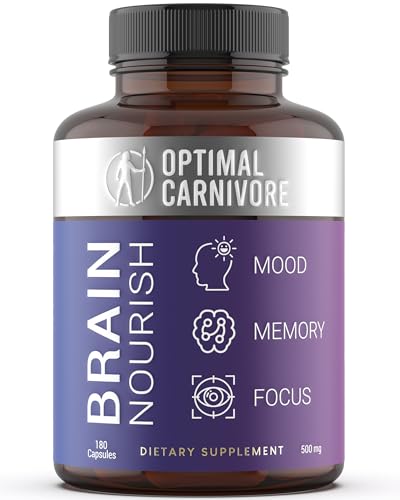
Specific Findings on Memory and Focus
When it comes to memory and focus specifically, some studies have begun to explore lion’s mane’s potential. An acute effects study in 2023 investigated the impact of Nordic Lion’s Mane extracts on cognitive performance [3]. This research suggests that there is an active area of inquiry into how lion’s mane might influence immediate cognitive tasks.
While some preliminary findings exist, it’s important to note that the evidence base is still developing. Many studies are small or conducted on specific populations, and more extensive research, particularly in women navigating midlife and menopause, is needed to draw definitive conclusions about its consistent effects on memory and focus.
Mechanisms of Action: What Researchers Are Exploring
Researchers are investigating several potential mechanisms through which lion’s mane might support brain health. These include its potential to encourage nerve growth factor (NGF) synthesis, which is crucial for the growth, maintenance, and survival of neurons. Other areas of interest include its possible antioxidant and anti-inflammatory properties, which could contribute to overall brain resilience.
Understanding these biological pathways helps scientists design more targeted studies and better interpret observed effects on cognitive functions like memory and focus. However, translating these potential mechanisms into tangible, consistent cognitive benefits for humans requires further robust clinical investigation.
Limitations and Future Research Directions
The current body of research on lion’s mane for memory and focus, especially in the context of midlife and menopause, can be characterized as moderate in strength. While promising, many studies are preliminary, with varying methodologies and participant groups. A 2024 publication also mentioned lion’s mane in a broader review of substances, indicating its presence in current discussions within medical research [4].
Future research will ideally involve larger, well-designed clinical trials focusing on specific populations, such as women experiencing menopausal cognitive changes. Such studies would help clarify optimal dosages, long-term effects, and the consistency of benefits for memory and focus.
References
- The effects of twenty-one nutrients and phytonutrients on cognitive function: A narrative review. Journal of clinical and translational research, 2021
- Natural Molecules for Brain Health and Resilience. International journal of molecular sciences, 2026
- Acute Effects of Naturally Occurring Guayusa Tea and Nordic Lion’s Mane Extracts on Cognitive Performance. Nutrients, 2023
- ALSUntangled #73: Lion’s Mane. Amyotrophic lateral sclerosis & frontotemporal degeneration, 2024
These statements have not been evaluated by the Food and Drug Administration. This information is not intended to diagnose, treat, cure, or prevent any disease. Content is for informational purposes only and is not medical advice; consult a qualified healthcare provider before starting any supplement. As an Amazon Associate we earn from qualifying purchases.