Ready to buy? Check current prices on Amazon and compare deals before you decide.
As women navigate the unique changes of midlife and perimenopause, many explore natural approaches to support their well-being. Lion’s mane mushroom (Hericium erinaceus) has gained attention for its potential benefits, and questions often arise about how to best incorporate it into a daily routine.
Specifically, the timing of supplementation — whether in the morning, evening, or a split dose — is a common consideration. While research on lion’s mane for perimenopausal symptoms is still emerging, and specific studies on optimal timing are limited[1], we can explore general considerations that may help guide your decision.
Understanding Lion’s Mane and Its Potential Effects
Lion’s mane mushroom is a type of edible fungus known for its distinctive appearance and historical use in traditional practices. It contains compounds that are thought to interact with various systems in the body. For women in midlife, interest often centers on its potential to support cognitive function and mood, areas that can sometimes be impacted during hormonal shifts[2][3].
While some individuals report feeling more alert or focused after taking lion’s mane, others suggest it contributes to a sense of calm. These varied anecdotal experiences highlight why the timing of supplementation might be a personal preference, depending on the desired outcome and individual response.

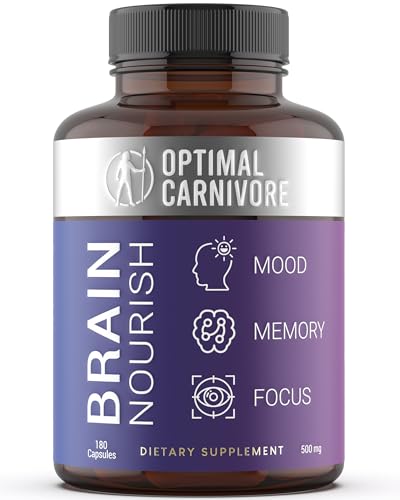
Morning Dosing: For Focus and Daytime Support
Many individuals choose to take supplements in the morning, often alongside breakfast or with their first cup of tea or coffee. The rationale for taking lion’s mane in the morning often stems from the hope that it may support daytime cognitive function or energy levels. If you are looking to potentially enhance focus or mental clarity during your workday or daily activities, a morning dose might be considered.
For those who find lion’s mane to have a mildly stimulating effect, taking it earlier in the day could align with their natural wakefulness cycle. This approach aims to leverage any potential benefits throughout the active hours, without interfering with nighttime rest.
Evening Dosing: For Relaxation and Nighttime Well-being
Conversely, some individuals prefer to take lion’s mane in the evening, perhaps an hour or two before bedtime. This timing is often chosen by those who hope for a more calming or restorative effect. If you find that lion’s mane contributes to a sense of relaxation or helps you unwind, an evening dose might be more suitable for your routine.
It’s important to note that individual responses can vary significantly. What feels calming for one person might not have the same effect on another. Observing how your body responds to an evening dose is key to determining if this timing works best for you.
Split Dosing: Balancing Potential Effects Throughout the Day
A split-dose approach involves taking smaller amounts of lion’s mane multiple times throughout the day, for example, once in the morning and once in the afternoon or early evening[3]. This strategy could be considered if you are looking to experience potential benefits more consistently throughout your waking hours.
Splitting the dose might also be beneficial if you are sensitive to supplements and prefer to introduce them gradually. By spreading the intake, you might maintain a more consistent level of the compounds in your system, potentially supporting both daytime cognitive function and evening relaxation, depending on your individual response.
Individual Responses and Listening to Your Body
The most important factor in determining the ‘best time’ to take lion’s mane is your individual response. There is no one-size-fits-all answer, especially given the limited specific research on timing for perimenopausal relief.
Consider starting with a consistent time for a few days – either morning or evening – and observe how you feel. Pay attention to changes in your energy levels, focus, mood, and sleep patterns. If you don’t notice the desired effect, or if you experience any unwanted effects, you might try adjusting the timing. Keeping a simple journal can be helpful in tracking your observations and identifying what works best for your unique physiology and lifestyle during midlife.
References
- The Acute and Chronic Effects of Lion’s Mane Mushroom Supplementation on Cognitive Function, Stress and Mood in Young Adults: A Double-Blind, Parallel Groups, Pilot Study. Nutrients, 2023
- Reduction of depression and anxiety by 4 weeks Hericium erinaceus intake. Biomedical research (Tokyo, Japan), 2010
- Improving effects of the mushroom Yamabushitake (Hericium erinaceus) on mild cognitive impairment: a double-blind placebo-controlled clinical trial. Phytotherapy research : PTR, 2009
These statements have not been evaluated by the Food and Drug Administration. This information is not intended to diagnose, treat, cure, or prevent any disease. Content is for informational purposes only and is not medical advice; consult a qualified healthcare provider before starting any supplement. As an Amazon Associate we earn from qualifying purchases.