Ready to buy? Check current prices on Amazon and compare deals before you decide.
The year is 2026, and for many women navigating the turbulent waters of perimenopause, the familiar sharpness of mind can feel increasingly elusive. Brain fog, memory lapses, and a general cognitive sluggishness often become unwelcome companions. For biohackers and those seeking natural nootropics, the quest for enhanced brain function and neuroprotection is ongoing, with Nerve Growth Factor (NGF) and Brain-Derived Neurotrophic Factor (BDNF) being key targets.
Amidst a crowded landscape of supplements, Hericium erinaceus, commonly known as Lion’s Mane mushroom, has garnered significant attention. But how does this unique fungal ally truly stack up against other popular cognitive enhancers and traditional approaches, especially for the specific challenges faced by women aged 40-55? This comprehensive article explores Lion’s Mane’s mechanisms, evidence, and comparative advantages.
FTC Disclosure: This article contains affiliate links. If you make a purchase through these links, LionsManeHub may earn a commission at no extra cost to you. We only recommend products and services we believe in.
Understanding Lion’s Mane: The NGF and BDNF Connection
Lion’s Mane mushroom is unique due to its active compounds, hericenones and erinacines, primarily found in the fruiting body and mycelium, respectively. These compounds are of particular interest because they have been shown in preclinical studies to stimulate the synthesis of Nerve Growth Factor (NGF) and Brain-Derived Neurotrophic Factor (BDNF) [1]. NGF is crucial for the growth, maintenance, and survival of various neurons, while BDNF supports neuroplasticity and the health of existing brain cells.
For women in perimenopause, declining estrogen levels can impact neurotrophic factor production and overall brain health, potentially contributing to cognitive changes. The ability of Lion’s Mane to potentially upregulate NGF and BDNF offers a compelling mechanistic hypothesis for its cognitive benefits. However, it is vital to distinguish between robust preclinical findings and the evolving human clinical evidence.
Preclinical Promise: NGF and Neurogenesis
Numerous in vitro and in vivo studies have demonstrated Lion’s Mane extracts promoting neurite outgrowth and protecting neurons from damage. For instance, studies on animal models have shown erinacines crossing the blood-brain barrier and inducing NGF synthesis in the brain [2]. This suggests a direct pathway for Lion’s Mane to support neuronal health and potentially neurogenesis, the creation of new brain cells.
This preclinical work forms the bedrock of the excitement around Lion’s Mane for brain health. It provides a plausible biological mechanism for how the mushroom might combat cognitive decline. However, translating these findings directly to human outcomes, especially in specific populations like perimenopausal women, requires further investigation.
Human Clinical Data: What We Know in 2026
While large-scale, long-term human trials specifically on perimenopausal brain fog are still emerging, existing human studies offer encouraging insights. A placebo-controlled study published in Phytotherapy Research showed that older adults with mild cognitive impairment who took Lion’s Mane experienced significant improvements in cognitive function compared to the placebo group [3]. Another study indicated improvements in depression and anxiety, which often co-occur with perimenopausal cognitive symptoms.
It is important to note that many human studies to date have involved general populations or those with mild cognitive impairment, not exclusively perimenopausal women. More targeted research is needed to fully understand Lion’s Mane’s specific impact on estrogen-related cognitive shifts. Nonetheless, the consistent trend of positive cognitive effects across various human trials is promising.
Lion’s Mane vs. Conventional Approaches for Perimenopausal Brain Fog
For women experiencing perimenopausal brain fog, conventional medical advice often centers on lifestyle modifications, hormone therapy, and sometimes prescription medications for related symptoms like anxiety or depression. Lion’s Mane presents a natural, non-hormonal complementary option.
Hormone Replacement Therapy (HRT)
HRT is a primary medical intervention for perimenopausal symptoms, including cognitive ones, by replenishing estrogen. While effective for many, HRT carries its own set of considerations and risks, and not all women are candidates or choose this path. Lion’s Mane, in contrast, offers an indirect approach to brain health, working through neurotrophic factors rather than direct hormone modulation. It could potentially serve as an adjunct or alternative for those seeking non-hormonal support.
Lifestyle Interventions
Exercise, diet, stress reduction, and adequate sleep are foundational for mitigating perimenopausal brain fog. These are universally recommended and highly effective. Lion’s Mane should be viewed as a supplement to these core lifestyle practices, not a replacement. Its potential to support NGF and BDNF may enhance the neuroprotective effects of a healthy lifestyle.
Lion’s Mane vs. Other Nootropics and Cognitive Enhancers
The nootropic market is saturated with options, each promising cognitive benefits. Here’s how Lion’s Mane stands out or complements other popular choices.
Ginkgo Biloba
Ginkgo Biloba is a well-researched herb known for improving blood flow to the brain and acting as an antioxidant. Its primary mechanism is vascular support, which can indirectly aid cognitive function by ensuring optimal nutrient and oxygen delivery. Lion’s Mane, conversely, acts more directly on neuronal health and neurotrophic factor production. Both can be beneficial, and their mechanisms are complementary rather than overlapping.
Bacopa Monnieri
Bacopa Monnieri is an adaptogenic herb frequently used for memory enhancement and stress reduction. It primarily works by modulating neurotransmitters and promoting synaptic activity. While Bacopa has strong evidence for memory improvement, especially recall, Lion’s Mane’s focus on NGF and BDNF suggests a more foundational role in neuron maintenance and growth.
Omega-3 Fatty Acids (DHA/EPA)
Omega-3s, particularly DHA, are crucial structural components of brain cell membranes and are essential for overall brain health. They support neuroplasticity, reduce inflammation, and are vital for cognitive function. While Omega-3s provide essential building blocks, Lion’s Mane may stimulate the factors that help utilize these building blocks for neuronal growth and repair. They are excellent companions for comprehensive brain support.
Comparative Overview: Lion’s Mane and Alternatives
| Cognitive Aid | Primary Mechanism | Evidence for Brain Fog/Cognition | Specific Relevance for Perimenopause | Potential Synergy with Lion’s Mane |
|---|---|---|---|---|
| Lion’s Mane Mushroom | Stimulates NGF/BDNF; neuronal growth & protection | Promising human studies for general cognition & MCI; strong preclinical for neurotrophic factors | Addresses potential neurotrophic factor decline; non-hormonal support | High; provides foundational neuronal health support |
| Hormone Replacement Therapy (HRT) | Replenishes estrogen levels | Effective for many perimenopausal cognitive symptoms | Directly addresses estrogen deficiency | Possible, but requires medical consultation due to hormonal interactions |
| Ginkgo Biloba | Improves cerebral blood flow; antioxidant | Moderate evidence for memory & focus | Indirectly supports brain health | Good; complementary vascular and neuronal support |
| Bacopa Monnieri | Modulates neurotransmitters; synaptic activity | Strong evidence for memory recall & stress reduction | Addresses memory lapses & stress often seen in perimenopause | Good; complementary for memory and stress management |
| Omega-3 Fatty Acids (DHA/EPA) | Structural component of brain cells; anti-inflammatory | Essential for overall brain health; supports neuroplasticity | Crucial for maintaining brain structure and function during hormonal shifts | Excellent; provides raw materials for brain health that NGF/BDNF can utilize |
| Regular Exercise | Increases BDNF; improves blood flow; reduces inflammation | Strongest evidence for overall brain health & mood | Crucial for mitigating perimenopausal cognitive decline | Excellent; Lion’s Mane may enhance exercise-induced BDNF |
| Mindfulness/Meditation | Reduces stress; improves focus; alters brain structure | Strong evidence for stress reduction & attention | Directly addresses stress & anxiety that exacerbate brain fog | Good; complements cognitive enhancement by improving mental clarity |
Choosing a Quality Lion’s Mane Supplement
When considering Lion’s Mane, quality and form are paramount to ensure you are receiving the beneficial compounds. The market offers various preparations, and knowing what to look for can make a significant difference.
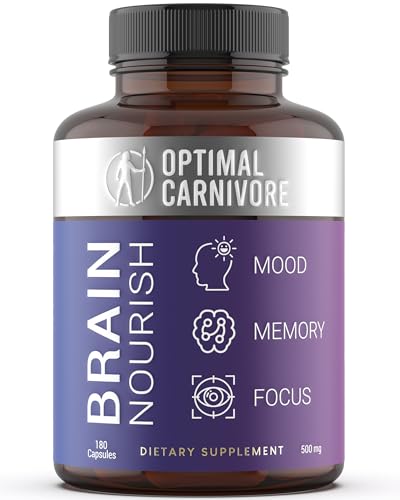
You should search for products that clearly state whether they are derived from the fruiting body, mycelium, or a blend of both. Fruiting body extracts are generally preferred for their higher concentration of hericenones, while mycelium, especially when grown on grain, may have varying amounts of erinacines and often includes the grain substrate. Look for products that specify a high concentration of active compounds, often achieved through hot water or dual extraction methods. A reputable brand will provide third-party lab testing for purity and potency.

Conclusion: Lion’s Mane as a Strategic Ally
In 2026, Lion’s Mane mushroom continues to solidify its position as a promising natural cognitive enhancer. Its unique mechanism of action, primarily through the stimulation of NGF and BDNF, sets it apart from many other nootropics. For women navigating the cognitive challenges of perimenopause, Lion’s Mane offers a non-hormonal, evidence-backed approach to potentially mitigate brain fog and support overall brain health.
While it’s not a standalone cure, when integrated with a healthy lifestyle and potentially alongside other complementary supplements, Lion’s Mane can be a strategic ally in maintaining cognitive vitality. The scientific community continues to explore its full potential, particularly in specific populations, but the current evidence base offers compelling reasons to consider Hericium erinaceus in your brain health regimen.
Frequently Asked Questions
What is Lion’s Mane mushroom primarily known for?
Lion’s Mane mushroom (Hericium erinaceus) is best known for its potential to support brain health, specifically by stimulating the production of Nerve Growth Factor (NGF) and Brain-Derived Neurotrophic Factor (BDNF), which are crucial for neuronal growth and maintenance.
How does Lion’s Mane help with perimenopausal brain fog?
While direct human studies on perimenopausal brain fog are still emerging, the mushroom’s ability to potentially increase NGF and BDNF may counteract some of the cognitive declines associated with hormonal shifts. These neurotrophic factors are vital for memory, focus, and overall brain function.
Is Lion’s Mane safe to take with other supplements or medications?
Lion’s Mane is generally considered safe. However, as with any supplement, it is always recommended to consult with a healthcare professional, especially if you are taking prescription medications or have underlying health conditions, to avoid potential interactions.
How long does it take to see effects from Lion’s Mane?
Individual responses vary, but some human studies suggest cognitive benefits may be observed after consistent use for several weeks to a few months. Long-term, consistent supplementation is often recommended for sustained benefits.
What form of Lion’s Mane is most effective?
For cognitive benefits, look for supplements made from the fruiting body, which contains hericenones, or a dual extract that includes both fruiting body and mycelium (for erinacines). Ensure the product specifies extraction methods and standardized active compounds for potency.
Can men also benefit from Lion’s Mane?
Yes, while this article focuses on women in perimenopause, the neurotrophic benefits of Lion’s Mane are not gender-specific. Men and other populations seeking cognitive support, memory enhancement, or nerve health benefits can also potentially benefit from Lion’s Mane supplementation.
References
- Nerve growth factor-inducing activity of Hericium erinaceus in 1321N1 human astrocytoma cells. Biological & pharmaceutical bulletin, 2008
- Erinacine A-enriched Hericium erinaceus mycelium ameliorates Alzheimer’s disease-related pathologies in APPswe/PS1dE9 transgenic mice. Journal of biomedical science, 2016
- Improving effects of the mushroom Yamabushitake (Hericium erinaceus) on mild cognitive impairment: a double-blind placebo-controlled clinical trial. Phytotherapy research : PTR, 2009
These statements have not been evaluated by the FDA. This product is not intended to diagnose, treat, cure, or prevent any disease.
These statements have not been evaluated by the Food and Drug Administration. This information is not intended to diagnose, treat, cure, or prevent any disease. Content is for informational purposes only and is not medical advice; consult a qualified healthcare provider before starting any supplement. As an Amazon Associate we earn from qualifying purchases.