Navigating perimenopause often brings a range of changes, including shifts in mood and increased feelings of anxiety. Many women seek natural approaches to support their well-being during this transitional phase. Lion’s mane mushroom (Hericium erinaceus) has gained attention for its potential benefits, particularly in areas related to cognitive function and emotional balance.
This article explores the current understanding of lion’s mane mushroom’s potential role in supporting mood and anxiety during perimenopause, based on available research. We’ll look at what the studies suggest and provide a balanced perspective on its use.
Understanding Mood and Anxiety in Perimenopause
Perimenopause is a natural transition period leading up to menopause, often characterized by fluctuating hormone levels, particularly estrogen. These hormonal shifts can significantly impact brain chemistry, contributing to symptoms such as irritability, mood swings, feelings of sadness, and heightened anxiety. It’s a time when many women report experiencing emotional challenges that can affect their daily lives and overall quality of life.
While these experiences are common, understanding potential supportive strategies can be empowering. Many women explore various dietary supplements and lifestyle adjustments in an effort to maintain emotional equilibrium during this phase. Lion’s mane is one such supplement being investigated for its potential neurosupportive properties.
What is Lion’s Mane Mushroom?
Lion’s mane mushroom, scientifically known as Hericium erinaceus, is an edible and medicinal mushroom recognized by its unique cascading, shaggy appearance. It has been used for centuries in traditional East Asian medicine. Modern research has begun to investigate its various bioactive compounds, including erinacines and hericenones, which are thought to contribute to its potential health-promoting properties [1].
These compounds are believed to interact with the nervous system, which has led to interest in its potential effects on brain health and emotional well-being. Both the fruiting body and mycelia of the mushroom contain these compounds, though their concentrations can vary [1].
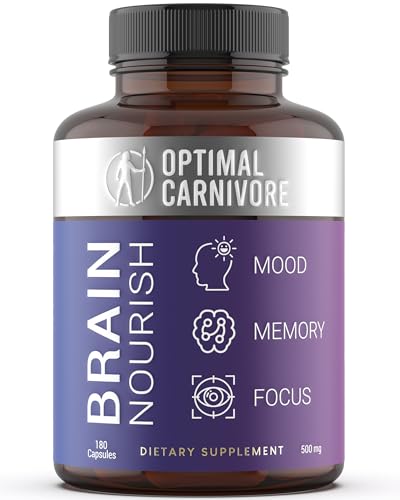
Lion’s Mane and Mood Support: What the Research Suggests
Several studies have explored the potential of lion’s mane to influence mood. One human study involving women experiencing menopausal symptoms, including depression, showed that four weeks of Hericium erinaceus intake led to a reduction in reported depression and anxiety [2]. Participants consumed cookies containing lion’s mane, suggesting that regular intake might offer some support for these feelings.
In animal models, lion’s mane extract has demonstrated antidepressant-like activity. For instance, studies on mice have indicated that Hericium erinaceus can reduce depressive behaviors by promoting hippocampal neurogenesis [3][4]. The hippocampus is a brain region crucial for mood regulation and memory, and neurogenesis (the growth of new brain cells) is an important process for maintaining healthy brain function.
While these findings are encouraging, it’s important to remember that human research on lion’s mane for mood is still relatively limited, and more extensive studies are needed to fully understand its effects in perimenopausal women. The evidence strength for this topic is currently considered moderate, meaning there are promising signals but not definitive conclusions across a broad population.

Lion’s Mane and Anxiety Reduction: Emerging Evidence
Beyond general mood support, research has also specifically looked at lion’s mane’s potential to alleviate anxiety. The same human study mentioned earlier also reported a reduction in anxiety among women who consumed lion’s mane for four weeks [2]. This suggests a dual potential benefit for both mood and anxiety symptoms commonly experienced during perimenopause.
Further reinforcing these observations, animal studies have shown that Hericium erinaceus extract can reduce anxiety-like behaviors in adult mice. This effect was linked to the promotion of hippocampal neurogenesis [4]. These preclinical findings provide a biological basis for the observed effects in humans, suggesting that lion’s mane might support the brain’s ability to manage stress and anxiety.
It’s worth noting that the mechanisms behind these effects are still being actively investigated. The interaction of lion’s mane’s bioactive compounds with neural pathways and their potential to support nerve growth factors are areas of ongoing scientific interest [1]. However, the current evidence, while promising, is not conclusive for all individuals, and responses can vary.
Considerations for Use During Perimenopause
For women considering lion’s mane for mood and anxiety support during perimenopause, it’s important to approach its use thoughtfully. While the existing research, including a systematic review, suggests potential benefits, it also highlights that more robust human trials are needed to confirm these effects across diverse populations and to establish optimal dosages [5].
Lion’s mane is generally considered well-tolerated [5]. However, like any supplement, individual responses can differ. It’s always advisable to start with a lower dose and monitor how your body responds. Quality of the supplement can also vary, so choosing reputable brands is important.
Integrating lion’s mane into a holistic approach that includes a balanced diet, regular physical activity, stress management techniques, and adequate sleep is often recommended for comprehensive well-being during perimenopause. Lion’s mane should be seen as a potential supportive measure, not a replacement for other healthy lifestyle practices.
References
- Chemistry, Nutrition, and Health-Promoting Properties of Hericium erinaceus (Lion’s Mane) Mushroom Fruiting Bodies and Mycelia and Their Bioactive Compounds. Journal of agricultural and food chemistry, 2015
- Reduction of depression and anxiety by 4 weeks Hericium erinaceus intake. Biomedical research (Tokyo, Japan), 2010
- Neurogenesis-dependent antidepressant-like activity of Hericium erinaceus in an animal model of depression. Chinese medicine, 2021
- Hericium erinaceus Extract Reduces Anxiety and Depressive Behaviors by Promoting Hippocampal Neurogenesis in the Adult Mouse Brain. Journal of medicinal food, 2018
- Benefits, side effects, and uses of Hericium erinaceus as a supplement: a systematic review. Frontiers in nutrition, 2025
These statements have not been evaluated by the Food and Drug Administration. This information is not intended to diagnose, treat, cure, or prevent any disease. Content is for informational purposes only and is not medical advice; consult a qualified healthcare provider before starting any supplement. As an Amazon Associate we earn from qualifying purchases.