Ready to buy? Check current prices on Amazon and compare deals before you decide.
Navigating perimenopause often brings a host of changes, and for many women, ‘brain fog’ becomes a noticeable and sometimes frustrating symptom. This feeling of mental haziness, difficulty concentrating, or forgetfulness can impact daily life and overall well-being. Understanding potential ways to support cognitive clarity during this transitional phase is a common area of interest.
Lion’s mane mushroom (Hericium erinaceus) has gained attention for its potential neurocognitive benefits. Research in this particular group is not merely emerging; it is one small trial. A randomized, placebo-controlled study in thirty menopausal women measured concentration among its outcomes and did not find a significant effect on it[1]. Everything else on this page draws on cognitive research in other populations, and is labelled as such.
Understanding Perimenopausal Brain Fog
Brain fog during perimenopause is a real and frequently reported experience, characterized by symptoms such as difficulty with memory, reduced focus, slower processing speed, and trouble finding words. These cognitive shifts are often attributed to fluctuating hormone levels, particularly estrogen, which plays a significant role in brain health and function. While these changes are a normal part of the perimenopausal transition, they can certainly be disruptive.
It’s important to recognize that brain fog is not a sign of cognitive decline in the way that conditions like dementia are. Instead, it’s typically a temporary and reversible symptom linked to hormonal shifts and other perimenopausal factors like sleep disturbances, stress, and mood changes. Exploring supportive strategies, including dietary supplements, is a common approach for women seeking to manage these symptoms.
What is Lion’s Mane Mushroom?
Lion’s mane is an edible and medicinal mushroom native to North America, Europe, and Asia. It has a distinctive appearance, resembling a white, shaggy mane, and has been used for centuries in traditional medicine, particularly in East Asia. Beyond its culinary uses, it’s valued for its potential health-supporting properties, especially those related to cognitive and nervous system health.
The mushroom contains bioactive compounds, including hericenones and erinacines, which are believed to be responsible for many of its observed effects. These compounds are of particular interest to researchers studying neurogenesis and nerve growth factor (NGF) production, which are crucial for the maintenance and repair of neurons.
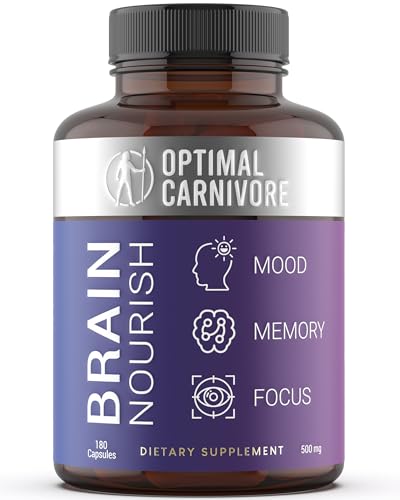
Lion’s Mane and Cognitive Function: What the Evidence Suggests
There is one directly relevant human trial, and it is worth knowing exactly what it found. Thirty women took lion’s mane or placebo cookies daily for four weeks, assessed with the Kupperman Menopausal Index and a checklist of indefinite complaints. Two items improved significantly against placebo. Concentration did not. It trended in the right direction without reaching statistical significance, as did irritability and anxiety[1].
That is the whole of the direct evidence in this population: one four-week trial in thirty women, in which the concentration measure came back null. Four weeks is short and thirty participants is few, so this is a weak null rather than a refutation, but it is the evidence that exists and it does not support the claim. Broader reviews of lion’s mane and cognition reach a similar place, describing results from the ten human intervention studies as mixed[2]. An earlier version of this page called the evidence “moderate” in strength. No grading body has issued that assessment, and it is not what the trials show.
Some studies have investigated lion’s mane’s potential to support nerve growth factor (NGF) synthesis. NGF is a protein that plays a vital role in the growth, maintenance, and survival of neurons. Supporting NGF levels could theoretically contribute to better neuronal health and function, which is relevant to overall cognitive clarity.
Other research has looked at lion’s mane’s effects on mild cognitive impairment. While these studies often involve specific populations and conditions, their findings contribute to the broader understanding of how lion’s mane might influence cognitive processes like attention, memory, and processing speed. It’s important to note that these studies do not specifically focus on perimenopausal women or brain fog, but the general cognitive support observed could be relevant.
How Lion’s Mane Might Support Brain Fog Symptoms
Based on the available evidence regarding general cognitive function, lion’s mane might offer support for perimenopausal brain fog through several mechanisms. Firstly, its potential to support NGF synthesis could contribute to the health and plasticity of brain cells, which are essential for clear thinking and memory. Healthy neurons are better equipped to handle the demands of cognitive tasks, potentially reducing feelings of mental sluggishness.
Secondly, some research suggests lion’s mane may have neuroprotective properties. By helping to protect neurons from damage, it could contribute to maintaining stable cognitive function, which could be beneficial during a period of hormonal fluctuation and increased vulnerability to cognitive symptoms.
Lastly, while not directly studied for perimenopausal brain fog, improvements in general cognitive scores observed in some studies, such as those related to memory and attention, suggest that lion’s mane could help mitigate some of the specific cognitive challenges associated with brain fog. It is a natural product that may support brain health broadly, which could indirectly help women experiencing perimenopausal cognitive changes.
Incorporating Lion’s Mane: Dosage and Forms
Lion’s mane is available in various forms, including capsules, powders, and tinctures. The choice of form often depends on personal preference and desired method of consumption. Powders can be added to smoothies, coffee, or other beverages, while capsules offer a convenient, pre-measured dose.
When considering dosage, it’s important to refer to product labels and, ideally, consult with a healthcare professional. Dosages vary significantly between products, and the unit printed on the label matters more than the number on it. The most-cited cognitive trial gave 3,000 mg per day of 96% dried mushroom powder, not extract, as four 250 mg tablets three times daily for sixteen weeks[3]; its first author is listed on the paper as working at the mushroom laboratory of Hokuto Corporation, a mushroom producer. Concentrated extracts are a different unit entirely: a 2025 trial used 3 g of a 10:1 fruiting-body extract, representing far more raw mushroom per gram[4]. Reading an extract milligram as though it were a powder milligram is the most common way to misjudge these labels, and it usually overstates how much a product delivers relative to what was studied. Consistency is often key when taking supplements, as effects may not be immediate and can take several weeks or months to become noticeable.
Choosing high-quality supplements from reputable manufacturers is also crucial. Look for products that provide clear information about their sourcing, extraction methods, and any third-party testing for purity and potency. This helps ensure you are getting a product that is both safe and effective.
Holistic Approaches to Perimenopausal Brain Fog
While lion’s mane may offer supportive benefits, it’s important to remember that managing perimenopausal brain fog often requires a multi-faceted approach. Lifestyle factors play a significant role in cognitive health. Prioritizing adequate sleep, for example, is critical, as poor sleep can exacerbate feelings of fogginess and reduce mental clarity.
Regular physical activity is another powerful tool. Exercise has been shown to support brain health, improve mood, and reduce stress, all of which can positively impact cognitive function during perimenopause. A balanced diet rich in fruits, vegetables, whole grains, and healthy fats also provides essential nutrients for brain health. Managing stress through practices like meditation, yoga, or spending time in nature can also help mitigate cognitive symptoms.
For some women, discussing hormone therapy with their doctor may also be an option to address the underlying hormonal fluctuations contributing to brain fog. Combining supportive supplements like lion’s mane with these broader lifestyle strategies can offer a more comprehensive approach to navigating perimenopausal cognitive changes.

References
- Nagano M, Shimizu K, Kondo R, Hayashi C, Sato D, Kitagawa K, Ohnuki K. Reduction of depression and anxiety by 4 weeks Hericium erinaceus intake. Biomedical Research (2010). PMID 20834180
- Cha S, Bell L, Shukitt-Hale B, Williams CM. A review of the effects of mushrooms on mood and neurocognitive health across the lifespan. Neuroscience & Biobehavioral Reviews (2024). PMID 38246232
- Mori K, Inatomi S, Ouchi K, Azumi Y, Tuchida T. Improving effects of the mushroom Yamabushitake (Hericium erinaceus) on mild cognitive impairment: a double-blind placebo-controlled clinical trial. Phytotherapy Research (2009). PMID 18844328
- Surendran G, Saye J, Binti Mohd Jalil S, et al. Acute effects of a standardised extract of Hericium erinaceus (Lion’s Mane mushroom) on cognition and mood in healthy younger adults: a double-blind randomised placebo-controlled study. Frontiers in Nutrition (2025). PMID 40276537
These statements have not been evaluated by the Food and Drug Administration. This information is not intended to diagnose, treat, cure, or prevent any disease. Content is for informational purposes only and is not medical advice; consult a qualified healthcare provider before starting any supplement. As an Amazon Associate we earn from qualifying purchases.