Perimenopause is a significant life stage for women, marked by hormonal shifts that can influence various bodily systems, including the nervous system. As women navigate this transition, maintaining cognitive function and overall nerve health often becomes a priority.
Lion’s mane mushroom (Hericium erinaceus) has garnered attention for its potential neurotrophic properties. Specifically, its association with nerve growth factor (NGF) pathways is a focus of ongoing research, offering an interesting area of exploration for those seeking natural approaches to support well-being during perimenopause.
Understanding Nerve Growth Factor (NGF)
Nerve Growth Factor (NGF) is a crucial protein that plays a vital role in the growth, maintenance, proliferation, and survival of nerve cells. It is essential for the healthy functioning of both the central and peripheral nervous systems. NGF is involved in processes like neurogenesis (the creation of new neurons) and neuroprotection (the preservation of existing neurons).
During various life stages, including perimenopause, fluctuations in hormone levels can potentially impact NGF production and activity. Maintaining adequate NGF levels is thought to be important for cognitive health, sensory function, and overall nervous system resilience. Research into substances that might support NGF pathways is therefore of interest.
What is Perimenopause and How Might it Affect Nerve Health?
Perimenopause is the transitional period leading up to menopause, characterized by fluctuating hormone levels, primarily estrogen and progesterone. These hormonal shifts can manifest in a wide array of symptoms, from hot flashes and mood swings to changes in sleep patterns and cognitive function, sometimes referred to as ‘brain fog.’
The nervous system is particularly sensitive to hormonal changes. Estrogen, for example, has neuroprotective properties and influences neurotransmitter activity. As estrogen levels decline and fluctuate during perimenopause, there is a theoretical basis for potential impacts on nerve health and function. Supporting neurological well-being during this time is a common concern for many women.
Lion’s Mane Mushroom and its Potential Link to NGF
Lion’s mane mushroom has been traditionally used in Eastern medicine and is now gaining recognition in the West. Its unique compounds, such as hericenones and erinacines, are believed to be responsible for its potential beneficial effects on the nervous system. These compounds have been studied for their ability to potentially influence NGF synthesis and activity.
A review examining the neuroregenerative potential of lion’s mane mushroom in the context of peripheral nerve injury highlighted its possible role in supporting nerve health and regeneration [1]. While this specific review focuses on injury, the underlying mechanisms explored, particularly those involving NGF, are relevant to broader discussions of nerve support.
It is important to note that much of the research on lion’s mane and NGF has been conducted in laboratory settings or on animal models. While promising, these findings do not directly translate to human experiences, especially in the context of perimenopause. The evidence, while intriguing, is considered limited in humans for this specific application.
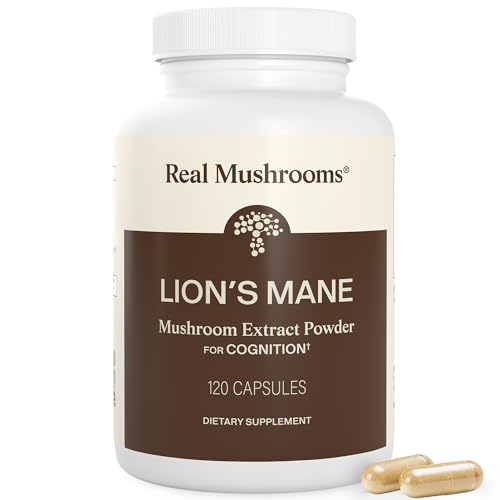
How Lion’s Mane May Support Nerve Regeneration (Limited Evidence)
The concept of ‘nerve regeneration’ typically refers to the regrowth or repair of damaged nerve tissue. While perimenopause itself is not characterized by nerve injury, supporting the overall health and resilience of the nervous system is a relevant consideration. Lion’s mane mushroom’s potential to influence NGF pathways suggests it might play a supportive role in maintaining nerve health.
The review on lion’s mane’s neuroregenerative potential noted that its compounds may stimulate NGF synthesis, which could theoretically aid in the repair process after nerve damage [1]. For women in perimenopause, while not directly addressing injury, the idea is that by potentially supporting NGF, lion’s mane might contribute to the general maintenance and health of nerve cells, which could be beneficial during a period of hormonal flux.
However, it is crucial to reiterate that direct evidence linking lion’s mane to nerve regeneration or improved nerve health specifically in perimenopausal women is very limited. The mechanisms observed in studies are complex and require further human clinical trials to confirm any direct benefits for nerve regeneration or overall neurological function in this population.
What We Don’t Know Yet: Gaps in the Research
Despite the promising initial research, there are significant gaps in our understanding of lion’s mane mushroom’s effects, particularly for women in perimenopause. Most studies on lion’s mane and NGF are preclinical, meaning they are conducted in test tubes or on animals. While these studies provide a foundation, human clinical trials are necessary to confirm efficacy and safety.
Specifically, we lack large-scale, placebo-controlled human studies investigating the direct impact of lion’s mane on NGF levels, cognitive function, or nerve health in perimenopausal women. The optimal dosage, duration of use, and potential interactions with other medications or supplements for this demographic are also not yet well-established. Therefore, any potential benefits remain largely theoretical at this stage.
References
- Neuroregenerative potential of lion’s mane mushroom, Hericium erinaceus (Bull.: Fr.) Pers. (higher Basidiomycetes), in the treatment of peripheral nerve injury (review). International journal of medicinal mushrooms, 2012
These statements have not been evaluated by the Food and Drug Administration. This information is not intended to diagnose, treat, cure, or prevent any disease. Content is for informational purposes only and is not medical advice; consult a qualified healthcare provider before starting any supplement. As an Amazon Associate we earn from qualifying purchases.