As women navigate midlife and menopause, many consider various supplements to support their well-being. Lion’s mane mushroom (Hericium erinaceus) has gained attention, and for those interested in exploring it, understanding supplement quality is key.
The supplement market can be complex, and ensuring you’re choosing a product that aligns with your expectations requires careful consideration. This article focuses on the importance of third-party testing for lion’s mane supplements and what to look for to make informed choices.
Understanding Lion’s Mane Supplements
Lion’s mane mushroom is recognized for its unique appearance and has been studied for various compounds. When considering a lion’s mane supplement, it’s helpful to understand that different parts of the mushroom and preparation methods can influence the final product. For example, researchers have investigated methods to quantify specific oligosaccharides from Hericium erinaceus polysaccharides [1], and how substrate formulation can affect enzyme activities in the mushroom [2].
The mushroom’s bioactive components, such as polysaccharides and peptides, are often the focus of scientific interest [3][4]. The way these compounds are prepared and extracted can also impact the supplement. For instance, pretreatment processes can influence the content of biogenic amines and other bioactive compounds in lion’s mane extracts [5]. Given these complexities, knowing what’s actually in your supplement becomes even more important.

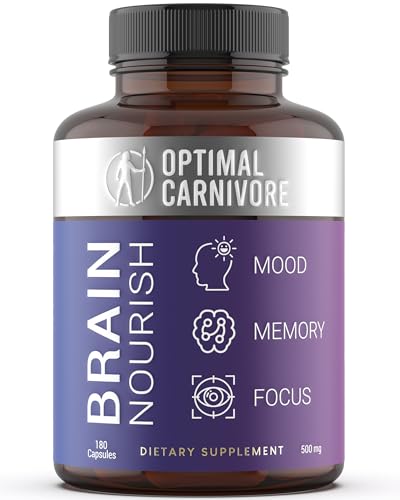
What is Third-Party Testing and Why Does It Matter?
Third-party testing refers to the process where an independent organization, separate from the supplement manufacturer, evaluates a product. This testing can help verify the contents, purity, and potency of a supplement. For consumers, especially those in midlife and menopause who are often mindful of their health choices, this extra layer of scrutiny can offer greater confidence.
The supplement industry is not regulated in the same way as pharmaceuticals, meaning that the quality and accuracy of product labels can vary. Studies have highlighted the importance of third-party testing in other contexts, such as for collegiate student-athletes who show knowledge and use of third-party tested nutritional supplements [6] and for confirming the purity and structural features of compounds like chondroitin sulfate [7]. This independent verification is a crucial step in understanding what you are consuming.
Without third-party testing, it can be challenging to confirm if a lion’s mane supplement contains the advertised ingredients in the stated amounts, or if it’s free from undesirable contaminants. This is particularly relevant when considering the potential for variations in the bioactive compounds present in the mushroom itself [3].
Key Elements of a Quality Third-Party Tested Lion’s Mane Supplement
When evaluating a lion’s mane supplement, look for evidence of comprehensive third-party testing. This typically involves several aspects:
1. Ingredient Verification: The testing should confirm that the product contains lion’s mane (Hericium erinaceus) and ideally, specifies the concentration of key compounds, such as polysaccharides or triterpenes, if advertised. Researchers have developed systems to characterize polysaccharides from lion’s mane fruiting bodies and identify commercial products, highlighting the ability to analyze these components [3].
2. Purity and Contaminant Screening: Reputable third-party tests will screen for common contaminants. This includes heavy metals (like lead, mercury, arsenic, cadmium), pesticides, and microbiological contaminants (such as bacteria, yeast, and mold). Microbiological testing is a well-established practice for various preparations to ensure safety [8]. Ensuring your supplement is free from these unwanted substances is a fundamental aspect of product quality.
3. Potency and Dosage Accuracy: The testing should confirm that the amount of lion’s mane, or specific active compounds, matches what is stated on the product label. This helps ensure that you are receiving the intended dosage. For instance, studies on lion’s mane have investigated its potential to influence muscle endurance in mice, possibly through specific pathways, demonstrating the importance of consistent active compound levels for potential effects [9].
Where to Find Third-Party Testing Information
Companies committed to transparency will usually make their third-party testing results readily available. Look for:
1. Certificates of Analysis (COAs): These documents provide detailed results from the third-party lab. A good COA will list the specific tests performed, the methodologies used, and the results. It should clearly indicate that the product passed purity and potency standards.
2. Reputable Certifications: Some third-party organizations offer seals or certifications that indicate a product has met specific quality standards. Examples include NSF International, USP (United States Pharmacopeia), and ConsumerLab. While these are not exclusive to lion’s mane, they signify a commitment to quality testing. Athletes, for example, often rely on third-party certifications to ensure supplements are free from banned substances [10].
When reviewing COAs or certifications, pay attention to the dates of testing to ensure they are recent. Outdated tests may not reflect the current quality of the product.
Making an Informed Choice
Choosing a lion’s mane supplement with third-party testing is a proactive step towards ensuring you are selecting a product that has been independently verified for its contents and purity. This approach can provide greater peace of mind, especially when integrating new supplements into your wellness routine during midlife and menopause.
Always prioritize brands that are transparent about their testing practices and willing to share their results. This commitment to quality reflects a dedication to consumer safety and product integrity. Understanding these aspects empowers you to make thoughtful decisions about your supplement choices.
References
- Quantitative estimation of enzymatic released specific oligosaccharides from Hericium erinaceus polysaccharides using CE-LIF. Journal of pharmaceutical analysis, 2023
- Optimization of substrate formulation for Hericium erinaceus by replacing wood by straw and their effect on enzyme activities. Frontiers in plant science, 2024
- An evaluation system for characterization of polysaccharides from the fruiting body of Hericium erinaceus and identification of its commercial product. Carbohydrate polymers, 2015
- Isolation, purification and identification of immunologically active peptides from Hericium erinaceus. Food and chemical toxicology : an international journal published for the British Industrial Biological Research Association, 2021
- Effect of Pretreatment Processes on Biogenic Amines Content and Some Bioactive Compounds in Hericium erinaceus Extract. Foods (Basel, Switzerland), 2021
- Third-Party Testing Nutritional Supplement Knowledge, Attitudes, and Use Among an NCAA I Collegiate Student-Athlete Population. Frontiers in sports and active living, 2020
- Chondroitin sulfate: are the purity and the structural features well assessed? A review on the analytical challenges. Carbohydrate polymers, 2022
- Microbiological Testing of Probiotic Preparations. International journal of environmental research and public health, 2022
- Increase in muscle endurance in mice by dietary Yamabushitake mushroom (Hericium erinaceus) possibly via activation of PPARδ. Animal science journal = Nihon chikusan Gakkaiho, 2019
- Supplements and athletes. Southern medical journal, 2004
These statements have not been evaluated by the Food and Drug Administration. This information is not intended to diagnose, treat, cure, or prevent any disease. Content is for informational purposes only and is not medical advice; consult a qualified healthcare provider before starting any supplement. As an Amazon Associate we earn from qualifying purchases.