Navigating the cognitive shifts that can occur during perimenopause is a common concern for many women. While changes in memory and focus are often reported, understanding how various supplements might offer support is an area of ongoing interest.
Lion’s mane mushroom (Hericium erinaceus) has garnered attention for its potential neurotrophic properties. When considering its role in cognitive support, some individuals explore combining it with other supplements, a practice often referred to as ‘stacking.’ This article will delve into the current evidence regarding lion’s mane supplement stacking for perimenopausal cognitive well-being, emphasizing a careful, evidence-based approach.
Understanding Lion’s Mane and Cognitive Function
Lion’s mane mushroom contains bioactive compounds that have been studied for their potential effects on the nervous system. While research is ongoing, some studies suggest that Hericium erinaceus may have neuroprotective effects. For instance, one animal study explored the neuroprotective effects of Hericium erinaceus in male rats experiencing scopolamine-induced Alzheimer’s disease-like symptoms [1]. However, it’s important to note that these findings are from animal models and may not directly translate to human experiences, particularly in the context of perimenopausal cognitive changes.
The interest in lion’s mane for cognitive support in perimenopause stems from anecdotal reports and its general reputation, but direct clinical trials specifically on lion’s mane for perimenopausal cognitive function are limited. Much of the existing research on lion’s mane focuses on its broader biological activities, such as its potential in colon cancer therapy or its role in regulating glycerophospholipid metabolism in obesity induced by a high-fat diet [2][3]. These studies, while valuable, do not directly address perimenopausal cognitive support.
When considering lion’s mane supplement stacking, it’s crucial to acknowledge the current limitations in specific research for this demographic and application. The concept of stacking involves combining supplements to achieve a more comprehensive effect, but without direct studies, any potential benefits remain theoretical.

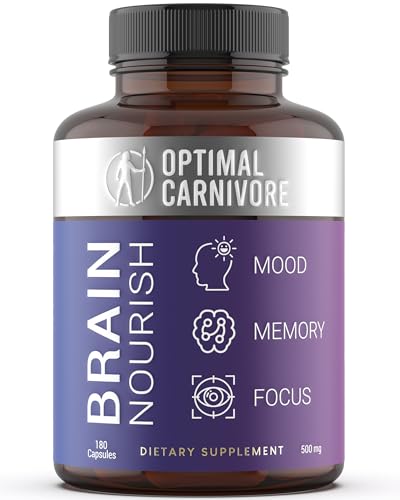
Considering Dehydroepiandrosterone (DHEA) with Lion’s Mane
Dehydroepiandrosterone (DHEA) is a hormone that has been investigated for its potential role in cognitive function, particularly in older adults. One animal study observed neuroprotective effects of DHEA when combined with Hericium erinaceus in male rats with scopolamine-induced Alzheimer’s disease-like symptoms [1]. This specific study suggests a potential interaction or combined effect in an animal model of cognitive decline.
However, the evidence for DHEA supplementation for cognitive function in healthy elderly people is not robust. A systematic review from 2006 concluded that there was insufficient evidence to support the use of DHEA for cognitive function in healthy elderly individuals [4]. This highlights the need for caution when extrapolating findings from animal studies or general populations to perimenopausal women, where hormonal fluctuations are a significant factor.
Combining DHEA, a hormone, with lion’s mane, a mushroom supplement, introduces additional considerations. Hormonal supplements can have widespread effects on the body, and their use, especially during perimenopause, should always be discussed with a healthcare provider. The combined impact of these two supplements on perimenopausal cognitive function has not been specifically studied in humans.
Choline and Betaine: Minimal Impact on Perimenopausal Cognition
Choline and betaine are essential nutrients involved in various bodily functions, including brain health. Some individuals might consider stacking these with lion’s mane for cognitive support. However, recent research indicates that dietary intake of choline and betaine may have a minimal impact on the rate of annualized cognitive performance throughout the menopause transition.
Data from the Study of Women’s Health Across the Nation (SWAN) found that dietary choline and betaine intake minimally impacts the rate of annualized cognitive performance throughout the menopause transition [5]. This suggests that while these nutrients are important for overall health, their isolated impact on perimenopausal cognitive decline may be limited.
Therefore, while including choline and betaine in a balanced diet is generally beneficial, the specific benefit of stacking them with lion’s mane for direct cognitive enhancement during perimenopause, based on current evidence, appears to be modest at best. The synergistic effects, if any, of this particular stack for perimenopausal cognitive support are not established.
Other Supplements and General Stacking Considerations
Beyond DHEA, choline, and betaine, there is limited specific research on lion’s mane supplement stacking with other compounds for perimenopausal cognitive support. Many cognitive supplements are explored for broader applications, such as donepezil for menopause-related cognitive loss, which was investigated in a double-blind, placebo-controlled trial [6]. However, this study did not involve lion’s mane.
The scientific literature often highlights the anticancer potential of Hericium erinaceus extracts against human gastrointestinal cancers, and its ability to enhance doxorubicin-induced apoptosis in human hepatocellular carcinoma cells [7][8]. While these findings point to other biological activities of lion’s mane, they do not provide direct evidence for its role in perimenopausal cognitive stacking.
When considering any supplement stacking, it is important to remember that each substance can interact with the body in unique ways. Combining multiple supplements without clear evidence of their safety and efficacy together, especially for a specific demographic like perimenopausal women, requires a cautious approach. The theoretical potential of Hericium erinaceus supplementation as an add-on to antipsychotics in chronic and treatment-resistant schizophrenia has been discussed [9], but this is a very different context than perimenopausal cognitive support.
Safety and Interaction Considerations for Supplement Stacking
The practice of lion’s mane supplement stacking introduces potential for interactions between different compounds. While lion’s mane is generally considered safe, combining it with other supplements, particularly those that impact hormones or neurotransmitters, could lead to unforeseen effects. There is a lack of specific research on the safety and efficacy of combining lion’s mane with various supplements in perimenopausal women.
It is crucial to be aware that even natural supplements can have potent biological effects. For example, some studies on lion’s mane focus on its impact on specific metabolic pathways, such as glycerophospholipid metabolism [3]. When stacking, the cumulative effect on these pathways could be altered.
Before considering any supplement stacking regimen, especially during perimenopause, it is highly advisable to consult with a healthcare professional. They can provide personalized advice based on individual health status, existing medications, and potential risks or benefits of specific combinations. Self-prescribing or combining supplements without professional guidance may not be advisable.
References
- Neuroprotective Effects of Dehydroepiandrosterone and Hericium erinaceus in Scopolamine-induced Alzheimer’s Diseases-like Symptoms in Male Rats. Cell biochemistry and biophysics, 2024
- Medicinal Mushrooms in Colon Cancer Therapy: Mechanisms of Action of Bioactive Compounds and Therapeutic Potential. International journal of molecular sciences, 2025
- Puerarin combined with Hericium erinaceus insoluble dietary fiber alleviates obesity induced by high-fat diet through regulating the glycerophospholipid metabolism pathway influenced by gut microbiota. Applied and environmental microbiology, 2025
- Dehydroepiandrosterone (DHEA) supplementation for cognitive function in healthy elderly people. The Cochrane database of systematic reviews, 2006
- Dietary choline and betaine intake minimally impacts rate of annualized cognitive performance throughout the menopause transition: data from the Study of Women’s Health Across the Nation. Menopause (New York, N.Y.), 2024
- A double-blind, placebo-controlled trial of donepezil for the treatment of menopause-related cognitive loss. Gender medicine, 2007
- Anticancer potential of Hericium erinaceus extracts against human gastrointestinal cancers. Journal of ethnopharmacology, 2014
- Hericium erinaceus enhances doxorubicin-induced apoptosis in human hepatocellular carcinoma cells. Cancer letters, 2010
- Theoretical Potential of Hericium Erinaceus Supplementation as an Add-On to Antipsychotics in Chronic and Treatment-Resistant Schizophrenia. Psychopharmacology bulletin, 2025
These statements have not been evaluated by the Food and Drug Administration. This information is not intended to diagnose, treat, cure, or prevent any disease. Content is for informational purposes only and is not medical advice; consult a qualified healthcare provider before starting any supplement. As an Amazon Associate we earn from qualifying purchases.