Ready to buy? Check current prices on Amazon and compare deals before you decide.
Perimenopause is a significant transitional phase in a woman’s life, marked by fluctuating hormones and a range of new experiences. Many women seek natural ways to support their well-being during this time.
Lion’s mane mushroom (Hericium erinaceus) has gained attention for its traditional uses and potential health-supporting properties. This article explores how lion’s mane might be a supportive addition for women navigating perimenopause, focusing on general well-being rather than specific medical conditions.
Understanding Perimenopause: A Time of Change
Perimenopause, meaning ‘around menopause,’ is the period leading up to menopause, which is defined as 12 consecutive months without a menstrual period. This phase can last for several years, typically beginning in a woman’s 40s, though it can start earlier or later[1]. During perimenopause, the body’s production of hormones, particularly estrogen and progesterone, begins to fluctuate and eventually decline. These hormonal shifts are responsible for the various experiences women may encounter.
The experiences of perimenopause can be quite diverse among women, ranging from subtle changes to more noticeable shifts in daily life. These changes are a natural part of the aging process and reflect the body’s adaptation to a new hormonal landscape. Many women proactively seek ways to maintain their overall health and quality of life during this transition.
Lion’s Mane Mushroom: A Brief Overview
Lion’s mane mushroom is a unique edible and medicinal fungus characterized by its shaggy, white appearance, resembling a lion’s mane as it grows. It has a long history of use in traditional Eastern medicine, where it has been valued for its general health-supporting properties.
Historically, lion’s mane has been incorporated into diets and wellness practices, often consumed as food or in powdered and extract forms. Its traditional uses span various aspects of well-being, suggesting a broad range of potential support. Modern interest in lion’s mane focuses on understanding these traditional applications through scientific exploration.

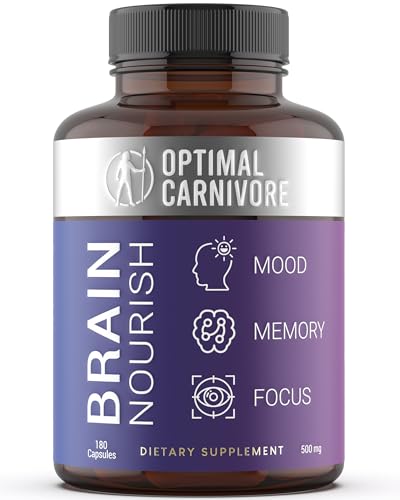
Traditional Perspectives on Well-being and Lion’s Mane
In traditional practices, lion’s mane has been regarded as a mushroom that could contribute to overall vitality and balance. While these traditional views are not based on modern clinical trials, they provide a historical context for its current popularity. For women in perimenopause, maintaining a sense of balance and well-being can be a priority.
Traditional medicine often views the body holistically, and ingredients like lion’s mane are incorporated with the aim of supporting various bodily functions. This aligns with the desire of many women during perimenopause to find natural ways to support their body’s systems as they adapt to hormonal changes.
Supporting General Wellness During Perimenopause
While specific clinical studies on lion’s mane directly addressing perimenopausal experiences are not readily available, we can consider its potential contribution to general wellness, which is particularly relevant during this life stage. Many women seek support for maintaining cognitive function, balanced mood, and restful sleep during perimenopause.
Lion’s mane is recognized for its potential to support nerve health and cognitive function[2][3], which could be an appealing aspect for women experiencing ‘brain fog’ or changes in memory during perimenopause. While not a direct treatment, supporting overall brain health can contribute to a greater sense of clarity and focus. Additionally, maintaining a balanced mood and promoting restful sleep are common goals during perimenopause[4], and general wellness practices can play a role in achieving these. Incorporating ingredients known for their overall supportive properties, such as lion’s mane, can be part of a broader strategy for well-being.
Integrating Lion’s Mane into a Perimenopausal Wellness Routine
For women considering lion’s mane during perimenopause, it’s important to view it as a dietary supplement that supports general wellness rather than a solution for specific perimenopausal experiences. It can be incorporated into a holistic approach that includes a balanced diet, regular physical activity, stress management techniques, and adequate sleep.
Lion’s mane is available in various forms, including powders, capsules, and extracts. The ‘best’ way to take it often depends on personal preference and lifestyle. Some women may prefer adding powdered lion’s mane to smoothies or coffee, while others might opt for the convenience of capsules. Consistency is generally key when incorporating any dietary supplement into a routine.
References
- Executive summary of the Stages of Reproductive Aging Workshop + 10: addressing the unfinished agenda of staging reproductive aging. Menopause, 2012
- Neurotrophic and Neuroprotective Effects of Hericium erinaceus. International journal of molecular sciences, 2023
- Improving effects of the mushroom Yamabushitake (Hericium erinaceus) on mild cognitive impairment: a double-blind placebo-controlled clinical trial. Phytotherapy research : PTR, 2009
- Reduction of depression and anxiety by 4 weeks Hericium erinaceus intake. Biomedical research (Tokyo, Japan), 2010
These statements have not been evaluated by the Food and Drug Administration. This information is not intended to diagnose, treat, cure, or prevent any disease. Content is for informational purposes only and is not medical advice; consult a qualified healthcare provider before starting any supplement. As an Amazon Associate we earn from qualifying purchases.