Navigating midlife and perimenopause can bring various changes, and some women report experiencing shifts in cognitive function, including memory. As interest grows in natural compounds that might offer support, lion’s mane mushroom and Ginkgo biloba often come up in discussions.
This article will explore the current, limited scientific understanding of how lion’s mane and Ginkgo biloba might relate to memory, particularly for women in midlife and perimenopause. We’ll examine what the available evidence suggests, without making claims about their effectiveness.
Understanding Cognitive Changes in Midlife and Perimenopause
Many women report experiencing ‘brain fog’ or changes in memory and focus during perimenopause and menopause. These experiences are often attributed to fluctuating hormone levels, particularly estrogen, which plays a role in brain function. While these changes are a common part of the life stage, understanding potential ways to support cognitive well-being is a frequent area of interest.
Lion’s Mane Mushroom: What the Evidence Says About Memory Support
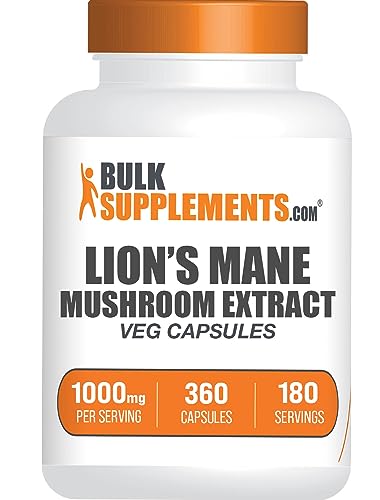
Lion’s mane mushroom (Hericium erinaceus) is a fungus traditionally used in some cultures and has gained attention for its potential effects on cognitive function. Research into lion’s mane is ongoing, with some studies exploring its compounds for neuroprotective properties [1].
While specific human trials focusing on lion’s mane for memory in perimenopausal women are very limited, some research has investigated its potential. For example, a study in mice observed that a mixture including Hericium erinaceus fruit extract attenuated scopolamine-induced memory impairments [2]. This early animal research suggests areas for further investigation but does not directly translate to human experience, especially in the context of perimenopause.
It’s important to remember that much of the research on lion’s mane and memory is still in early stages or conducted in animal models, or on specific populations not representative of midlife women. More targeted human studies are needed to understand any potential benefits for memory in perimenopause.
Ginkgo Biloba: Research and Memory
Ginkgo biloba, an extract from the leaves of the Ginkgo tree, is another popular botanical often discussed for its potential cognitive effects. It contains flavonoids and terpenoids, which are thought to have antioxidant properties. Ginkgo has been a subject of numerous studies concerning cognitive function, including memory [3].
Similar to lion’s mane, specific research on Ginkgo biloba explicitly for memory support in perimenopausal women is not extensively detailed in the research cited here. However, its general neuroprotective properties have been an area of study [1].
Notably, the mouse study mentioned earlier also included Ginkgo biloba L. leaf extract in a mixture that showed effects on memory impairments [2]. This suggests that Ginkgo, either alone or in combination, may warrant further investigation for its cognitive relevance.
Lion’s Mane vs. Ginkgo: Comparing the Limited Evidence for Memory
When comparing lion’s mane vs. Ginkgo biloba for memory support in perimenopause, the current evidence base is limited for both, especially regarding this specific population. Both have been investigated for neuroprotective potential and general cognitive support [1][3].
The animal study that combined both extracts observed an attenuation of memory impairments, suggesting that a combination might have relevant effects [2]. However, this does not allow for a direct comparison of which is ‘better’ in isolation, nor does it confirm benefits for human memory during perimenopause. The findings are preliminary and highlight areas for future research.
Currently, there isn’t sufficient robust human clinical trial data focused on perimenopausal memory to definitively state that one is superior to the other, or that either offers significant benefits for this specific group. Both are areas of ongoing scientific interest for their potential roles in cognitive health.
Safety and Considerations for Midlife Women
Both lion’s mane and Ginkgo biloba are generally considered well-tolerated by many people, but they are not without potential considerations. Ginkgo biloba, for instance, may interact with certain medications, particularly blood thinners, due to its potential effects on platelet aggregation. Lion’s mane is generally regarded as safe, but individual reactions can vary.
For women in midlife and perimenopause, it is especially important to consider any existing health conditions or medications when thinking about incorporating new supplements. Discussing any new dietary supplements with a healthcare provider is always recommended to ensure they are appropriate for individual circumstances.
Lifestyle Factors for Memory Support in Perimenopause
Beyond individual supplements, a holistic approach to cognitive well-being during perimenopause is often emphasized. This includes maintaining a balanced diet rich in fruits, vegetables, and healthy fats, engaging in regular physical activity, prioritizing adequate sleep, and managing stress. Mental stimulation through learning new skills or engaging in challenging activities can also be beneficial.
While lion’s mane and Ginkgo biloba are subjects of interest, they are just one small piece of a larger picture when it comes to supporting memory and cognitive function through midlife changes. A comprehensive strategy that includes healthy lifestyle choices is widely recognized as foundational for overall brain health.
References
- Neuroprotective Herbs for the Management of Alzheimer’s Disease. Biomolecules, 2021
- A Mixture of Ginkgo biloba L. Leaf and Hericium erinaceus (Bull.) Pers. Fruit Extract Attenuates Scopolamine-Induced Memory Impairments in Mice. Oxidative medicine and cellular longevity, 2022
- The effects of twenty-one nutrients and phytonutrients on cognitive function: A narrative review. Journal of clinical and translational research, 2021
These statements have not been evaluated by the Food and Drug Administration. This information is not intended to diagnose, treat, cure, or prevent any disease. Content is for informational purposes only and is not medical advice; consult a qualified healthcare provider before starting any supplement. As an Amazon Associate we earn from qualifying purchases.