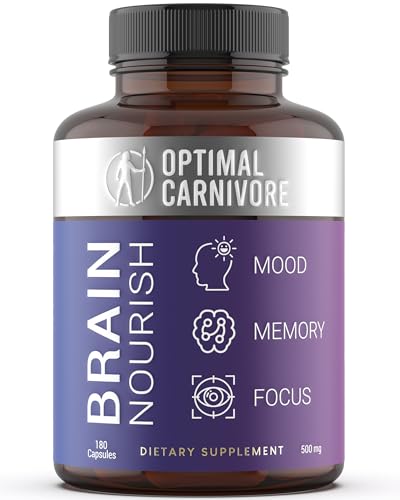
As women navigate the hormonal shifts of perimenopause and menopause, many explore various supplements, including lion’s mane mushroom, for potential wellness support. While lion’s mane is recognized for its neurotrophic properties, it’s essential to understand how it might interact with other medications.
One area of particular importance is the potential interaction between lion’s mane and blood-thinning medications. This article aims to provide evidence-based information on this topic, emphasizing careful consideration for women who are using or considering blood thinners.
Understanding Lion’s Mane Mushroom
Lion’s mane (Hericium erinaceus) is a medicinal mushroom that has been traditionally used for various health purposes. Research indicates it possesses neurotrophic properties [1]. These properties are often linked to its potential influence on brain health and cognitive function, which is a common area of interest for women in midlife.
The mushroom contains compounds such as erinacines and hericenones, which are believed to contribute to its observed biological activities [1]. While some individuals explore lion’s mane for general well-being, its specific effects and interactions with other substances are still areas of ongoing research.

What Are Blood Thinners and Why Are They Used in Midlife?
Blood thinners, also known as anticoagulants or antiplatelet medications, are prescribed to reduce the risk of blood clots. These medications are crucial for individuals with certain health conditions that increase their risk of stroke, heart attack, or other serious cardiovascular events.
For women in perimenopause and menopause, the risk of cardiovascular issues can change due due to hormonal shifts. Some women may be prescribed blood thinners for conditions like atrial fibrillation, a history of deep vein thrombosis, or after certain surgical procedures. Common blood thinners include warfarin, aspirin, clopidogrel, and direct oral anticoagulants (DOACs).
It is vital for anyone taking blood thinners to be aware of potential interactions with supplements, as these interactions can significantly impact the medication’s effectiveness and safety.
The Potential Interaction: Lion’s Mane and Blood Thinners
While specific, robust human studies directly examining the interaction between lion’s mane mushroom and prescribed blood thinners are limited, there is a theoretical basis for concern. Some in vitro and animal studies have suggested that certain mushroom species, including lion’s mane, may have antiplatelet or anticoagulant properties. This means they could potentially slow blood clotting.
If lion’s mane were to slow blood clotting, taking it concurrently with prescribed blood-thinning medications could theoretically amplify the effects of those medications. This amplification could lead to an increased risk of bleeding, which could manifest as bruising, nosebleeds, or more serious internal bleeding.
A 2023 review of over-the-counter supplements for memory noted that some supplements, including certain mushrooms, may have antiplatelet effects, warranting caution when combined with anticoagulant medications [2]. While this review did not focus exclusively on lion’s mane, it highlights the broader consideration needed for botanical supplements in this context.
Therefore, women taking blood thinners should approach the use of lion’s mane mushroom with extreme caution due to the potential for an additive effect that could increase bleeding risk. This interaction is not definitively proven in humans but is a significant theoretical concern based on current understanding of both the mushroom’s potential properties and the mechanism of blood-thinning medications.
Navigating Supplement Use During Perimenopause with Blood Thinners
For women in perimenopause who are considering lion’s mane mushroom while also taking blood thinners, open communication with a healthcare provider is paramount. It is not advisable to start any new supplement, especially one with potential anti-clotting effects, without prior medical consultation.
Your doctor can assess your individual health profile, the specific blood thinner you are taking, and help you understand the potential risks and benefits. They may advise against using lion’s mane, or they might suggest monitoring for any changes if you choose to proceed under their guidance. Never adjust your blood thinner dosage or stop taking it based on supplement use.
The evidence for lion’s mane’s effect on blood clotting in humans is limited, making a cautious approach even more important. The theoretical risk of increased bleeding warrants careful consideration and professional medical advice.
References
- Neurotrophic properties of the Lion’s mane medicinal mushroom, Hericium erinaceus (Higher Basidiomycetes) from Malaysia. International journal of medicinal mushrooms, 2013
- Over the Counter Supplements for Memory: A Review of Available Evidence. CNS drugs, 2023
These statements have not been evaluated by the Food and Drug Administration. This information is not intended to diagnose, treat, cure, or prevent any disease. Content is for informational purposes only and is not medical advice; consult a qualified healthcare provider before starting any supplement. As an Amazon Associate we earn from qualifying purchases.