Navigating perimenopause often brings a range of changes, and for many women, sleep disturbances can be a significant concern. From difficulty falling asleep to waking frequently, these shifts can impact overall well-being. As interest in natural approaches grows, some women wonder if lion’s mane mushroom (Hericium erinaceus) might offer support for sleep during this transitional phase.
This article aims to provide an evidence-based overview of what current research indicates regarding lion’s mane and sleep quality, particularly in the context of perimenopause. It’s important to note that while some preliminary findings exist, the evidence specifically linking lion’s mane to improved sleep during perimenopause is limited.
Understanding Perimenopausal Sleep Changes
Perimenopause is a natural transition period leading up to menopause, characterized by fluctuating hormone levels, particularly estrogen and progesterone. These hormonal shifts can contribute to various symptoms, including hot flashes, night sweats, anxiety, and mood changes, all of which can disrupt sleep patterns. Many women report experiencing insomnia, fragmented sleep, and reduced sleep quality during this time.
While lifestyle adjustments and medical interventions are common strategies for managing perimenopausal sleep issues, there’s growing interest in complementary approaches. Lion’s mane mushroom has gained attention for its potential effects on neurological and psychological well-being, prompting questions about its broader impact on sleep.
Lion’s Mane and General Sleep Support: Initial Observations
Research into lion’s mane mushroom and sleep is still in its early stages, and much of the existing data does not specifically focus on perimenopausal women. However, some studies have explored its potential effects on mood and anxiety, which can indirectly influence sleep quality. A systematic review published in 2025 noted that Hericium erinaceus has been investigated for various health benefits, including its potential impact on neurological and psychological health [1].
One study involving individuals with overweight or obesity reported that Hericium erinaceus improved mood and sleep disorders [2]. While this study did not specifically target perimenopausal women, it suggests a potential connection between lion’s mane intake and better sleep outcomes in a specific population.
Another earlier study from 2010 indicated that four weeks of Hericium erinaceus intake led to a reduction in depression and anxiety [3]. Given that anxiety and low mood can be significant contributors to sleep disturbances, particularly during perimenopause, these findings suggest a possible indirect pathway through which lion’s mane might support better sleep. However, direct evidence of improved sleep from this study is not explicitly stated.
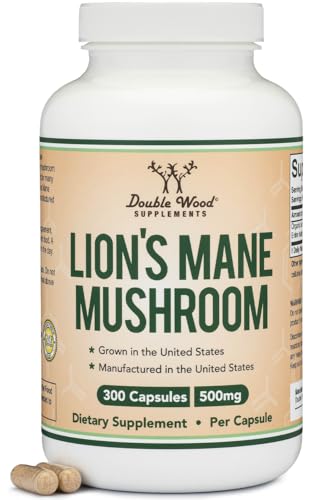
Potential Mechanisms: How Lion’s Mane Might Influence Sleep
While direct research on lion’s mane and perimenopausal sleep is limited, the observed effects on mood and anxiety could offer some clues. Perimenopausal women often experience increased anxiety and stress, which are well-known disruptors of healthy sleep cycles. If lion’s mane can help to modulate mood and reduce feelings of anxiety, as suggested by some research, it might indirectly contribute to a more conducive state for sleep [3].
The study that observed improvements in mood and sleep disorders in individuals with overweight or obesity also explored circulating pro-BDNF and BDNF as potential biomarkers [2]. Brain-derived neurotrophic factor (BDNF) plays a role in neuronal health and plasticity, and its potential connection to both mood and sleep warrants further investigation in various populations, including perimenopausal women. However, these are early observations and require more robust research to confirm any direct link to perimenopausal sleep.
It’s important to emphasize that these are theoretical connections based on general research findings. The specific mechanisms by which lion’s mane might influence the complex interplay of hormones, mood, and sleep during perimenopause are not yet fully understood and require dedicated scientific inquiry.
Considering the Limited Evidence for Perimenopause
Despite the intriguing general findings, it is crucial to reiterate that there is currently a lack of specific research directly investigating the effects of lion’s mane mushroom on sleep quality in perimenopausal women. The studies available have explored different populations or broader health aspects, and their findings cannot be directly extrapolated to the unique physiological changes occurring during perimenopause.
The systematic review from 2025, which examined the benefits, side effects, and uses of Hericium erinaceus as a supplement, provides a broad overview but does not specifically highlight strong evidence for perimenopausal sleep support [1]. This indicates that while lion’s mane is being studied for various applications, its role in this specific context is still largely unexplored.
Therefore, while lion’s mane may offer some general support for mood or anxiety, which could indirectly benefit sleep, it is not currently established as a direct intervention for perimenopausal sleep issues. More targeted research involving perimenopausal women is needed to draw more definitive conclusions.
References
- Benefits, side effects, and uses of Hericium erinaceus as a supplement: a systematic review. Frontiers in nutrition, 2025
- Hericium erinaceus Improves Mood and Sleep Disorders in Patients Affected by Overweight or Obesity: Could Circulating Pro-BDNF and BDNF Be Potential Biomarkers?. Evidence-based complementary and alternative medicine : eCAM, 2019
- Reduction of depression and anxiety by 4 weeks Hericium erinaceus intake. Biomedical research (Tokyo, Japan), 2010
These statements have not been evaluated by the Food and Drug Administration. This information is not intended to diagnose, treat, cure, or prevent any disease. Content is for informational purposes only and is not medical advice; consult a qualified healthcare provider before starting any supplement. As an Amazon Associate we earn from qualifying purchases.