Ready to buy? Check current prices on Amazon and compare deals before you decide.
As women navigate the shifts of midlife and menopause, many explore natural supplements like lion’s mane mushroom (Hericium erinaceus) for potential wellness support. Understanding appropriate dosages is a common question, particularly as individual needs can vary with age and life stage.
This article aims to provide an evidence-based overview of lion’s mane dosage, with a specific focus on considerations for women over 40. It’s important to note that research on specific dosages tailored to this demographic is still developing, and general guidelines often apply.
Understanding Lion’s Mane Forms and General Dosages
Lion’s mane mushroom is available in several forms, each with varying concentrations and recommended serving sizes. The most common forms include powdered extracts, capsules, and tinctures. Extracts are often concentrated, meaning a smaller amount may deliver a higher concentration of active compounds compared to raw powdered mushroom.
General dosage recommendations for lion’s mane supplements typically range from 500 mg to 3000 mg per day, depending on the product’s concentration and the manufacturer’s guidelines. These dosages are often based on studies conducted on general adult populations or traditional use, rather than specific age groups or genders. The most frequently cited human trial gave 3,000 mg per day of dried powder, taken as four 250 mg tablets three times daily, to adults aged 50 to 80 for 16 weeks, and reported no adverse effects on laboratory testing[1]; a later 12-week randomised trial used a fruiting-body supplement in a comparable adult population[2]. It’s always advisable to consult the product label for specific instructions and to begin with the lowest recommended dose to assess individual tolerance.
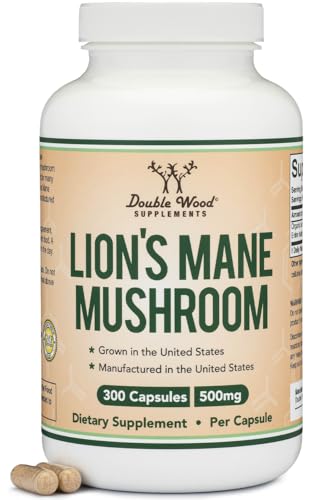
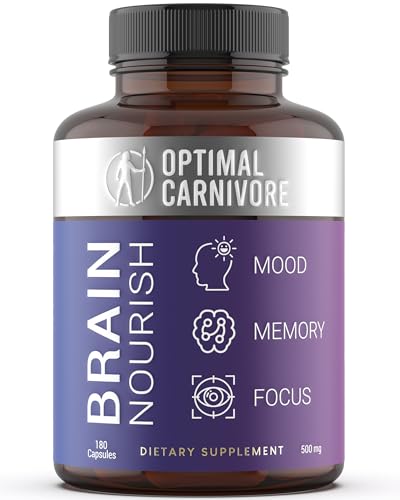
Is There a Specific Lion’s Mane Dosage for Women Over 40?
Currently, there is no specific, established lion’s mane dosage recommended exclusively for women over 40 or those experiencing menopause. The scientific literature available does not delineate different dosages based on age or menopausal status. Most clinical studies exploring the potential benefits of lion’s mane have utilized dosages that fall within the general range mentioned above, applied to broad adult populations.
This absence of age- or gender-specific dosage recommendations highlights the need for more targeted research. While some women in midlife might seek lion’s mane for particular concerns associated with this stage, such as cognitive function or mood support, the current evidence does not suggest a need for a different dosage than what is generally recommended for adults.
Factors That May Influence Individual Dosage Considerations
While there isn’t a specific dosage for women over 40, several factors can influence an individual’s optimal intake of lion’s mane. These include body weight, overall health status, the specific form and concentration of the supplement, and individual sensitivity. For instance, someone with a lower body weight might find a smaller dose effective, while others might prefer a higher dose within the recommended range.
Additionally, the reason for taking lion’s mane might influence dosage. Some individuals might take a lower daily dose for general wellness support, while others seeking more targeted support might opt for a higher dose, always within the manufacturer’s guidelines. It is important to approach dosage with a personalized perspective and to observe how your body responds.
Starting Slowly and Listening to Your Body
A sensible approach for any new supplement, including lion’s mane, is to start with a low dose and gradually increase it if desired and tolerated. This allows your body to adjust and helps you identify the lowest effective dose for your needs. For example, if a product suggests 1000-3000 mg daily, beginning with 1000 mg for a week or two before considering an increase could be a prudent strategy.
Paying attention to how you feel is crucial. While lion’s mane is generally considered well-tolerated, individual responses can vary. If you experience any discomfort or unwanted effects, reducing the dosage or discontinuing use and consulting a healthcare professional is advisable.
Safety and Potential Interactions
Lion’s mane mushroom is generally regarded as safe for most individuals when consumed in typical supplement dosages. However, as with any supplement, there is a potential for interactions with medications or existing health conditions. For example, individuals on blood-thinning medications or those with bleeding disorders should exercise caution, as some mushrooms might have mild anticoagulant properties.
Women over 40, who may be taking various medications for conditions common in midlife or managing hormonal changes, should be particularly vigilant about potential interactions. Consulting with a healthcare provider before starting lion’s mane, especially if you have underlying health conditions or are taking prescription drugs, is a critical safety measure.
References
- Improving effects of the mushroom Yamabushitake (Hericium erinaceus) on mild cognitive impairment: a double-blind placebo-controlled clinical trial. Phytotherapy research : PTR, 2009
- Improvement of cognitive functions by oral intake of Hericium erinaceus. Biomedical research (Tokyo, Japan), 2019
These statements have not been evaluated by the Food and Drug Administration. This information is not intended to diagnose, treat, cure, or prevent any disease. Content is for informational purposes only and is not medical advice; consult a qualified healthcare provider before starting any supplement. As an Amazon Associate we earn from qualifying purchases.