Ready to buy? Check current prices on Amazon and compare deals before you decide.
The subtle, yet persistent, shift in cognitive function during perimenopause can feel like a cruel trick of nature. You might find yourself searching for words, struggling with focus, or experiencing that frustrating “brain fog” that wasn’t there before. For many women aged 40-55, this isn’t just an inconvenience; it’s a disruption to daily life and a source of quiet concern.
Amidst this landscape, the ancient mushroom Hericium erinaceus, commonly known as Lion’s Mane, has garnered significant attention. Its potential to support brain health, particularly through its influence on nerve growth factor (NGF), offers a compelling avenue for exploration. But with so much information, and often misinformation, circulating, a critical question remains: what is the right Lion’s Mane dosage to genuinely support cognitive function, and how can you ensure its safe and effective use?
FTC Disclosure: This article may contain affiliate links. If you make a purchase through these links, LionsManeHub may earn a small commission at no extra cost to you. This helps support our research and content creation.
Understanding Lion’s Mane and its Brain Benefits: The NGF Connection
Lion’s Mane mushroom has been a staple in traditional Eastern medicine for centuries. Its recent surge in popularity is largely due to preclinical research highlighting its neurotrophic properties [1]. Specifically, compounds found in Lion’s Mane, such as hericenones and erinacines, are thought to stimulate the production of Nerve Growth Factor (NGF).
NGF is a crucial protein that plays a vital role in the maintenance, survival, and regeneration of neurons. It’s essential for nerve cell health and function. By potentially enhancing NGF synthesis, Lion’s Mane may contribute to improved neuronal plasticity and overall brain health, which is particularly relevant for those experiencing age-related cognitive changes or perimenopausal brain fog.
Beyond NGF, some research also suggests Lion’s Mane may influence Brain-Derived Neurotrophic Factor (BDNF) [2]. BDNF is another critical protein involved in learning, memory, and the growth of new neurons. While direct human evidence for BDNF modulation by Lion’s Mane is still emerging, the combined potential for neurotrophic support is a key reason for its appeal among biohackers and individuals seeking cognitive enhancement.
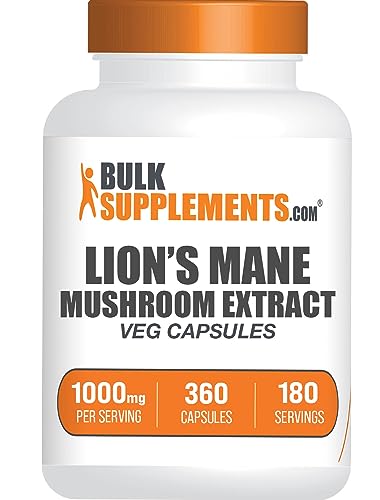
Key Considerations for Lion’s Mane Dosage
Determining the optimal Lion’s Mane dosage is not a one-size-fits-all endeavor. Several factors influence how much you should take. These include the form of the supplement, its concentration, your individual health goals, and any pre-existing conditions.
The primary forms of Lion’s Mane supplements are powdered extracts, capsules, and tinctures. Extracts, especially those standardized for active compounds like polysaccharides or triterpenes, are generally more potent than raw mushroom powder. It’s crucial to examine the product label for details on extraction ratios and active ingredient percentages.

For cognitive support, particularly for symptoms like brain fog, consistency is often more important than taking very high doses intermittently. Starting with a lower dose and gradually increasing it allows your body to adapt and helps you assess your individual response.
Typical Dosages Based on Research and Traditional Use
Human studies on Lion’s Mane for cognitive function have used a range of dosages. A notable study published in 2008 examined the effects of Lion’s Mane on mild cognitive impairment. Participants received 1000 mg of dried Lion’s Mane powder three times a day, totaling 3000 mg daily, over 16 weeks.
Another study, focusing on depressive and anxious symptoms, utilized 2g of Lion’s Mane extract daily. These studies often use specific extracts, so comparing raw mushroom powder to an extract requires careful conversion based on concentration.
Based on a synthesis of available research and common practices, a generally recommended starting point for Lion’s Mane extract for cognitive benefits is between 500 mg and 1500 mg per day. For individuals seeking more pronounced effects or those with specific cognitive challenges, dosages may range up to 3000 mg daily, often divided into multiple doses. It is always best to consult with a healthcare professional before exceeding recommended dosages or if you have underlying health conditions.
When to Take Lion’s Mane: Timing for Optimal Effects
The timing of your Lion’s Mane dosage can influence its perceived effectiveness. While there is no strict scientific consensus on the absolute “best” time, anecdotal evidence and common practices suggest a few approaches.
Many individuals prefer to take Lion’s Mane in the morning. This aligns with the desire to enhance focus and mental clarity throughout the workday. Taking it with breakfast can also help with absorption, especially if the supplement contains fat-soluble compounds or if you experience mild digestive sensitivity.
Some users choose to split their daily dose, taking half in the morning and half in the early afternoon. This approach aims to maintain sustained cognitive support throughout the day, potentially countering the afternoon slump. It’s generally advisable to avoid taking larger doses too close to bedtime, as some individuals report a stimulating effect that could interfere with sleep, though this is not universally experienced.
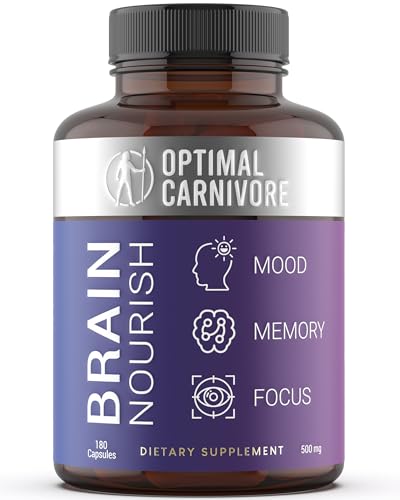
Lion’s Mane Forms and Concentrations: What to Look For
The efficacy of Lion’s Mane supplements largely depends on the quality and concentration of the product. Not all Lion’s Mane supplements are created equal. Understanding the differences between various forms is crucial for proper dosing and desired results.
| Form of Lion’s Mane | Description | Typical Concentration Notes | Dosage Considerations |
|---|---|---|---|
| Fruiting Body Extracts | Concentrated powder derived from the actual mushroom fruiting body. Often hot-water or dual-extracted. | Usually standardized for polysaccharides (e.g., >30%). May list triterpenes. | Generally more potent. Lower mg dose required compared to raw powder. Look for extraction ratios (e.g., 8:1). |
| Mycelium Biomass | Powder made from the mycelium (root-like structure) grown on grain. | May contain starch from the grain substrate. Active compounds like erinacines are primarily found here. | Often requires higher doses due to lower concentration of active compounds per gram. Less studied in humans. |
| Whole Mushroom Powder | Dried and ground whole Lion’s Mane mushroom. | Lower concentration of active compounds compared to extracts. | Requires significantly higher doses (e.g., multiple grams) to achieve effects seen with extracts. |
| Tinctures | Liquid extract, typically alcohol-based. | Concentration varies widely by brand. Look for “mg per drop” or “mg per ml.” | Dosage measured in drops or milliliters. Absorption may be faster. |
For cognitive benefits, particularly those related to NGF, research suggests that both fruiting body extracts (rich in hericenones) and mycelium extracts (rich in erinacines) may be beneficial. Some high-quality supplements combine both. Always prioritize products that specify their extraction method and provide third-party lab testing for purity and active compound content.

Lion's Mane Dosage & Cost Calculator
Based on the labeled dose options for Real Mushrooms Lion's Mane Extract and the published 300-count bottle at $69.95.
Open the full dosage & cost calculator →
Estimate only – based on the current listed price of the 300-count Real Mushrooms Lion's Mane Extract bottle. Actual Amazon price can change; check the live price before buying.
Why no height/weight input? Unlike per-kg supplements (creatine, protein), Lion's Mane has no published bodyweight-adjusted dosing in the research behind it. This calculator doesn't fabricate a per-kg formula that doesn't exist in the literature.
Get Real Mushrooms Lion's Mane Extract on Amazon(paid link) As an Amazon Associate we earn from qualifying purchases.
Safety Profile and Potential Side Effects
Lion’s Mane is generally considered safe for most individuals when taken at recommended dosages. It has a long history of use in traditional medicine and as a culinary mushroom. Serious adverse effects are rare.
However, some individuals may experience mild side effects. These can include digestive discomfort, such as stomach upset or diarrhea, especially when starting with higher doses. Allergic reactions, though uncommon, are possible and may manifest as skin rash, itching, or difficulty breathing.
Individuals with known mushroom allergies should exercise caution or avoid Lion’s Mane entirely. If you are taking blood-thinning medications, consult your doctor before using Lion’s Mane, as some preliminary research suggests it might have mild antiplatelet effects. Similarly, if you have diabetes and are on medication, monitor your blood sugar closely, as Lion’s Mane has been shown in some animal studies to lower blood glucose levels.
Pregnant or breastfeeding women should avoid Lion’s Mane due to a lack of sufficient safety data in these populations. Always discuss any new supplement regimen with your healthcare provider, especially if you have underlying health conditions or are taking other medications.
Finding Quality Lion’s Mane Supplements (Amazon Affiliate Section)
When searching for Lion’s Mane supplements, quality is paramount. The market is saturated, and not all products offer the same potency or purity. On platforms like Amazon, you’ll find a wide array of options, but discerning the best can be challenging.
Look for products labeled as “Lion’s Mane mushroom extract” which often indicates a more concentrated form. Prioritize brands that specify the percentage of active compounds, such as “polysaccharides” or “beta-glucans.” A good extract will often have a stated extraction ratio (e.g., 8:1 or 10:1), signifying how much raw mushroom was used to produce the extract.
Another important factor is third-party testing. Reputable brands will often make their Certificates of Analysis (COAs) available, verifying the product’s purity, potency, and absence of contaminants like heavy metals or pesticides. Search for terms like “organic Lion’s Mane capsules” for convenience, “Lion’s Mane mushroom powder extract” for versatility, or “dual-extracted Lion’s Mane tincture” for a potent liquid option. Focusing on these criteria will help you navigate the options and select a product that aligns with your health goals.
Frequently Asked Questions About Lion’s Mane Dosage and Safety
How long does it take for Lion’s Mane to work?
The effects of Lion’s Mane are typically not immediate. Many individuals report noticing cognitive benefits after consistent daily use for several weeks to a few months. Patience and consistency are key, as neuroplastic changes take time.
Can I take Lion’s Mane every day?
Yes, Lion’s Mane is generally considered safe for daily, long-term use at recommended dosages. Many studies and traditional practices involve daily consumption. It’s often recommended to cycle off supplements periodically, but specific guidance for Lion’s Mane is not widely established.

Is there an upper limit for Lion’s Mane dosage?
While Lion’s Mane has a very low toxicity profile, there isn’t a universally established upper limit. Most human studies use up to 3000 mg of dried powder or equivalent extract daily [3]. Exceeding this significantly without medical supervision is not recommended and may increase the risk of mild side effects.
Does Lion’s Mane interact with medications?
Lion’s Mane may potentially interact with blood-thinning medications due to its mild antiplatelet effects and could affect blood sugar levels, interacting with diabetes medications [4]. Always consult your doctor before starting Lion’s Mane if you are on any prescription medications.
What’s the difference between Lion’s Mane fruiting body and mycelium?
The fruiting body is the visible mushroom part, rich in hericenones. The mycelium is the root-like network, rich in erinacines. Both compounds are believed to contribute to NGF production. High-quality supplements often use fruiting body extracts, or a combination of both for a broader spectrum of compounds.
Can Lion’s Mane help with perimenopausal brain fog specifically?
While direct human studies specifically on Lion’s Mane for perimenopausal brain fog are limited, its general cognitive enhancing properties and potential for NGF support suggest it could be beneficial. The cognitive shifts during perimenopause often involve neuronal health, which Lion’s Mane aims to support. Many women report subjective improvements in focus and clarity.
References
- Neurotrophic properties of the Lion’s mane medicinal mushroom, Hericium erinaceus (Higher Basidiomycetes) from Malaysia. International journal of medicinal mushrooms, 2013
- Neurotrophic and Neuroprotective Effects of Hericium erinaceus. International journal of molecular sciences, 2023
- Improving effects of the mushroom Yamabushitake (Hericium erinaceus) on mild cognitive impairment: a double-blind placebo-controlled clinical trial. Phytotherapy research : PTR, 2009
- Benefits, side effects, and uses of Hericium erinaceus as a supplement: a systematic review. Frontiers in nutrition, 2025
These statements have not been evaluated by the FDA. This product is not intended to diagnose, treat, cure, or prevent any disease.
These statements have not been evaluated by the Food and Drug Administration. This information is not intended to diagnose, treat, cure, or prevent any disease. Content is for informational purposes only and is not medical advice; consult a qualified healthcare provider before starting any supplement. As an Amazon Associate we earn from qualifying purchases.