Lion’s mane is unusual among popular mushroom supplements because it is also a genuinely good food, sold fresh at farmers markets and specialty grocers, with a texture people compare to crab or lobster when seared. That raises a practical question this site has not directly answered yet: if someone is cooking fresh lion’s mane instead of taking a capsule, are they still getting the compounds researchers study, the hericenones and erinacines, or does heat destroy them?
This site participates in the Amazon Associates program and may earn a commission on qualifying purchases. Nothing here has been evaluated by the FDA.
Key Takeaways
- Lion’s mane’s two headline compound classes behave differently under heat: polysaccharides (beta-glucans) are relatively heat-stable, while hericenones and erinacines are smaller, more heat-sensitive molecules.
- Standard home cooking methods, sauteing, roasting, searing, use far lower temperatures and shorter exposure times than the industrial extraction processes researchers study, so direct comparisons are imperfect.
- Fresh lion’s mane is a legitimate food with real nutritional value even if some heat-sensitive compounds degrade during cooking; it is not nutritionally worthless once cooked.
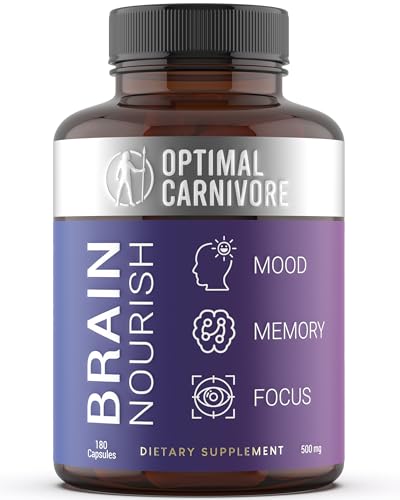
- Supplement extracts are standardized specifically to concentrate and preserve these compounds, which is a different product than cooking a fresh mushroom for dinner.
- If the specific goal is maximizing hericenone and erinacine intake, a standardized extract supplement is the more reliable route; if the goal is enjoying a nutrient-dense food, cooking fresh lion’s mane is fine.

The Two Compound Families, and Why They Matter
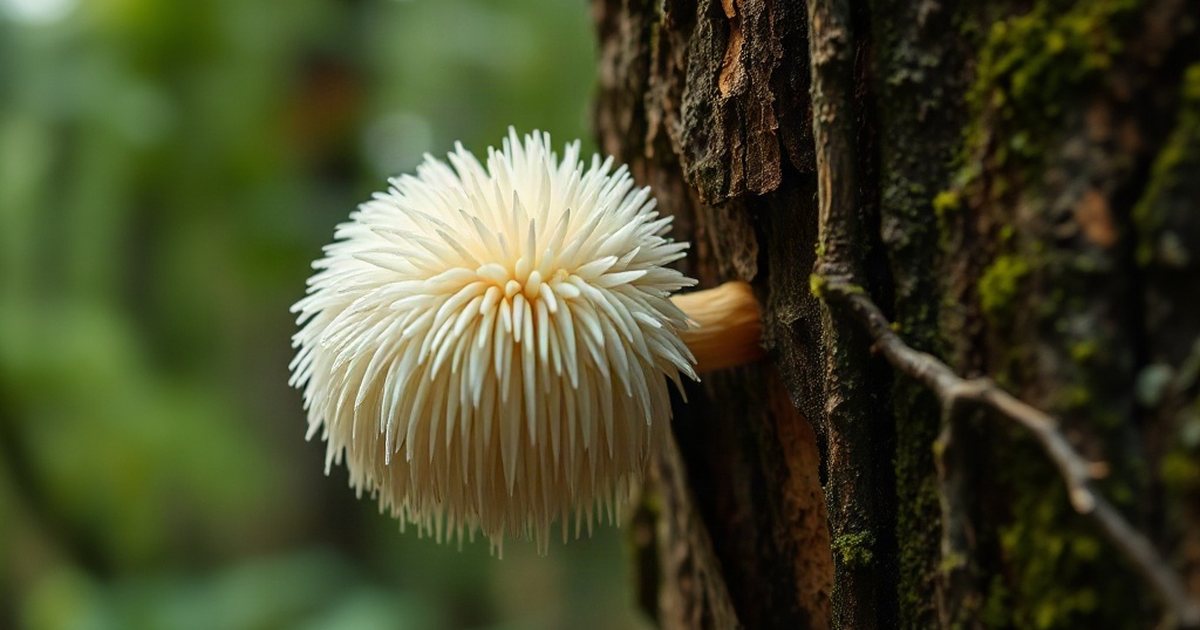
Lion’s mane research generally splits its bioactive compounds into two groups. Hericenones are found mainly in the fruiting body (the part that looks like a mushroom and gets cooked), while erinacines are concentrated in the mycelium (the root-like network, usually the basis of mycelium-based supplements). Both are of interest because they are associated with nerve growth factor stimulation in laboratory research. Separately, lion’s mane, like most culinary mushrooms, contains beta-glucan polysaccharides, which are associated with immune-modulating effects and are structurally more robust.
What Extraction Research Says About Heat Sensitivity
Food science and pharmacognosy reviews of lion’s mane processing consistently draw the same distinction: the larger polysaccharide molecules tolerate moderate heat and pH changes reasonably well, while the smaller diterpenoid and phenolic compounds, the category erinacines fall into, are more vulnerable to degradation during processing.[1] This is exactly why modern extraction facilities have shifted toward ultrasound-assisted and other lower-heat extraction methods specifically to protect erinacine content, moving away from older high-heat solvent extraction. Industrial extraction protocols for standardized products often do still use sustained heat, in the 80 to 98 degrees Celsius range for extended periods, but that is a controlled process engineered around a known compound, not a home dinner.
How This Maps to a Home Kitchen
A quick saute or roast at kitchen temperatures for 10 to 20 minutes is a very different exposure than an hours-long industrial extraction bath, but it is still heat, and some degradation of the more fragile compounds should be expected. Nobody has published a study measuring hericenone or erinacine content in a home-cooked lion’s mane steak before and after searing, so any specific percentage claim about how much is “lost” during cooking is not something the research actually supports. What can be said honestly: cooking likely reduces the concentration of the most heat-sensitive compounds to some degree, while the polysaccharide content and the mushroom’s general nutritional profile, protein, fiber, B vitamins, remain largely intact.
Cooking Methods, Roughly Gentlest to Harshest
If minimizing heat exposure while still cooking the mushroom is a goal, a quick saute in butter or oil over medium heat until golden, typically 5 to 8 minutes, is gentler than a long high-heat sear or deep-fry. Lightly steaming or briefly poaching in broth before a quick pan finish is another lower-heat approach some cooks use. Slow-roasting at high oven temperatures for extended periods is the harshest common home method.
Simple Ways to Cook It
Torn or sliced lion’s mane, seared in butter with garlic and a splash of soy sauce until the edges crisp, is the most common preparation and closely mimics the crab-cake texture people describe. It also works shredded and pan-fried until crisp as a plant-based “crab cake” or “lobster roll” filling, or simmered briefly in miso or bone broth soups where the mushroom absorbs the surrounding flavor.
Practical Takeaway
Eating fresh, cooked lion’s mane as food and taking a standardized extract supplement are not interchangeable, and neither is objectively “better,” they serve different goals. Cooking it is a genuinely good way to add a nutrient-dense, high-protein mushroom to meals; it should not be relied on as a precise substitute for a supplement dosed specifically for hericenone or erinacine content.
Frequently Asked Questions
Does cooking destroy all the beneficial compounds in lion’s mane?
No. Beta-glucan polysaccharides are relatively heat-stable. The more heat-sensitive compounds are the smaller hericenone and erinacine molecules, which likely degrade to some degree with cooking, though no study has measured exactly how much in a home-cooking context.
Is raw lion’s mane safe to eat?
Lion’s mane is typically cooked before eating, both for texture and because, like most mushrooms, it is more digestible cooked. It is not typically recommended raw.
Should I eat fresh lion’s mane instead of taking a supplement?
They are not equivalent. Fresh mushroom is a food with general nutritional value; standardized extract supplements are formulated to concentrate specific compounds researchers study for cognitive and nerve health support.
What does lion’s mane taste like?
Most people describe a mild, slightly sweet flavor with a texture often compared to crab or lobster once seared, which is why it is popular in plant-based seafood-style dishes.
Where can I buy fresh lion’s mane to cook?
Specialty grocers, farmers markets, and some Asian grocery stores carry it fresh; dried whole lion’s mane, which can be rehydrated, is more widely available online.
References
- Thongbai B, et al. Bioactive constituents of Hericium erinaceus: extraction strategies, health benefits and food applications. Frontiers in Natural Products (2026). Frontiers in Natural Products
These statements have not been evaluated by the FDA. This product is not intended to diagnose, treat, cure, or prevent any disease. This article is for informational purposes only and is not a substitute for professional medical advice. As an Amazon Associate we earn from qualifying purchases.
These statements have not been evaluated by the Food and Drug Administration. This information is not intended to diagnose, treat, cure, or prevent any disease. Content is for informational purposes only and is not medical advice; consult a qualified healthcare provider before starting any supplement. As an Amazon Associate we earn from qualifying purchases.